
24/7 Customer Support

Free returns

Same-day & Next-day Delivery

Quality Guaranteed

Unlock Your Welcome Offers: FREE Delivery | Up to 80% OFF | Free 30-day JoyPlus trial
Download the APP
Sesame paste can mean several different things in UK food shops and online marketplaces. It may be a pure sesame condiment for hot pot, a creamy tahini for hummus and dressings, an instant breakfast powder or a sesame-flavoured snack. Choosing by the picture alone can lead to the wrong texture, unexpected sweetness, excessive salt or allergens you did not intend to buy.
This guide explains the main differences and highlights our top recommendations for specific cooking and snacking needs.
A jar labelled Chinese sesame paste may contain 100% sesame, while a spicy sesame paste or hot pot dipping sauce can include chilli, soy, sugar, salt, oil and flavourings. These products are not interchangeable.
Pure paste gives you control over a sesame noodle sauce, sesame dressing or dipping mixture. Prepared sauce is more convenient but may already have a strong flavour profile and higher salt content.
Black sesame paste is often sold as an instant dessert or breakfast product. It may include rice, sugar, glucose, starch or other grains. Check the ingredients and nutrition panel rather than relying on the front label.
For example, a sugar-free sesame paste may still be energy-dense because sesame seeds naturally contain a significant amount of fat. “Sugar-free” describes the sugar declaration, not the overall calorie content.
Sesame is a regulated allergen in the UK and must be clearly declared. Many sesame peanut paste products also contain peanuts, while Chinese condiments may contain soybeans or wheat. Some sesame-flavoured snacks include additional ingredients such as molluscs.
Oil separation is also normal in products made from ground seeds. It does not necessarily indicate spoilage, but the paste usually needs stirring before use. After opening, follow the label’s storage instructions; refrigeration is commonly recommended for jars and pouches.
Start by deciding what you want to make:
A clearly listed ingredient ratio helps you compare products. HAIDILAO Peanut & Sesame Paste, for instance, lists 80% peanut butter and 20% sesame paste, while LIUBIJU Sesame Peanut Butter lists 50% sesame and 50% peanuts.
For noodles and dipping sauces, a smooth paste that loosens gradually with warm water is useful. Liubiju Sesame Paste 300g is supplied as a 100% sesame condiment and includes instructions to add warm water and seasonings gradually while stirring.
Tahini may separate naturally, so stir it thoroughly before measuring. Products such as Meridian Natural Light Tahini contain 100% roasted hulled sesame seeds, while Belazu Tahini is described as double ground for a creamy texture.
Instant products are more convenient but may have a different composition. NanFang Black Sesame Paste Sugar-Free 480g lists rice and black sesame seeds and is intended to be mixed with hot water. This makes it more suitable for a quick bowl than for a traditional savoury dipping sauce.
Sesame-based products are concentrated, so compare the nutrition panel per 100g and consider how much you will actually use. Pure pastes can be relatively high in fat because sesame seeds are naturally oily. Prepared spicy sauces may also contain considerable salt.
As examples:
These figures are not directly equivalent in taste or serving size, but they show why reading the label matters. For anyone managing allergens or dietary requirements, also check the complete packaging information before purchase, particularly for wheat, soy, peanuts and sesame.

Why This Fits Their Persona: A larger 480g pack suits UK shoppers who want an instant breakfast or dessert ingredient available for repeated use.
The listed ingredients are rice and black sesame seeds, with 0g sugars and 0g salt per 100g according to the supplied product information.
Instant preparation with hot water; 480g net quantity.
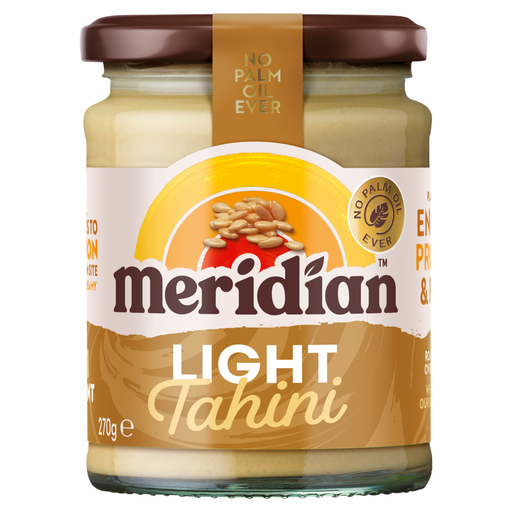
Why This Fits Their Persona: Suitable for vegan and vegetarian kitchens needing one versatile tahini for dressings, spreads and savoury recipes.
The ingredient list contains roasted hulled sesame seeds only, with no added sugar or salt. Natural separation is stated clearly.
Vegan-friendly; gluten- and dairy-free according to the supplied description.
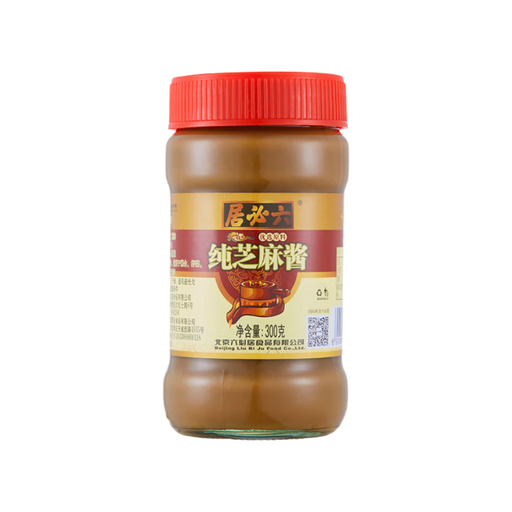
Why This Fits Their Persona: A practical option for regular hot pot meals, cold dishes and sesame noodle sauce preparation.
It is listed as 100% sesame, so you can add soy sauce, vinegar, warm water or chilli separately rather than buying a pre-seasoned sauce.
300g jar; adaptable preparation method for savoury Chinese condiments.
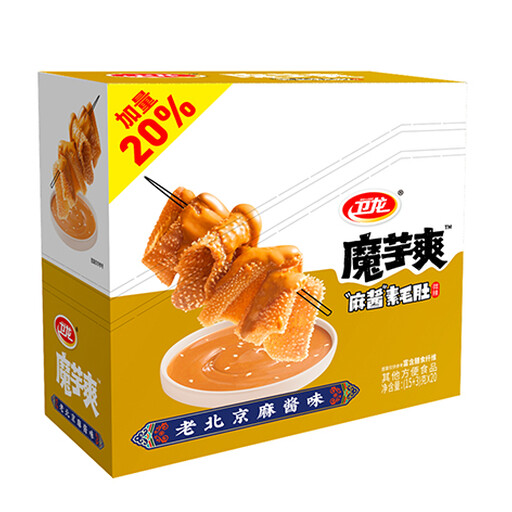
Why This Fits Their Persona: Individually wrapped packs are convenient for lunches, commuting or sharing without preparing a sauce.
It is a ready-to-eat sesame paste snack rather than a jar intended for cooking, with 20 individual packs stated in the product details.
Ready to eat; individually portioned; sesame and peanut flavour profile.
We have compiled a complete, real-time list of products that fully satisfy these strict selection criteria and UK safety regulations.
For a simple hot pot dipping sauce, loosen pure sesame paste with warm water, then add soy sauce, vinegar, spring onion or chilli to taste. Add liquid gradually to prevent lumps.
For sesame noodle sauce, combine sesame paste with a little warm water, soy sauce and rice vinegar. Spicy seasoning can be added separately so each person can adjust heat.
For tahini dressing, whisk tahini with lemon juice and cold water. The mixture may thicken first before becoming smooth, so add water in small amounts.
For instant black sesame paste or a sesame paste snack, follow the preparation instructions on the packaging. Do not assume that a product designed for hot water preparation is suitable as a savoury cooking base.
They are both made from ground sesame seeds, but recipes and textures vary. Tahini is commonly associated with Middle Eastern cooking, while Chinese sesame paste is often used in hot pot, cold noodles and other Chinese dishes. Always check the ingredient list and intended use.
Follow the product label. Many jars advise storing in a cool, dry place before opening and refrigerating after opening. Stir naturally separated oil back into the paste and use clean utensils to help maintain quality.
Some pure sesame pastes and tahini products are suitable for vegans, but prepared sauces and snacks may contain soy, wheat or other ingredients. Check the full ingredient list and allergen statement for the specific product before buying.