
24/7 Customer Support

Free returns

Same-day & Next-day Delivery

Quality Guaranteed

Unlock Your Welcome Offers: FREE Delivery | Up to 80% OFF | Free 30-day JoyPlus trial
Download the APP
Sesame paste is a versatile ingredient, but the jar or packet you choose can make a noticeable difference to preparation time, flavour and value. UK shoppers may be comparing Chinese sesame paste, tahini, black sesame paste, peanut blends and ready-made sauces, yet these products are not interchangeable.
The most common buying mistakes are easy to overlook:
For a neutral base for hot pot dipping sauce, cold dishes or sesame paste for noodles, look for a short ingredient list. Liubiju Sesame Paste, for example, lists sesame as its ingredient, making it suitable for mixing with warm water and adding your own seasonings.
Tahini is generally a smooth sesame paste used in hummus, dressings and spreads. Products such as Belazu Tahini and Meridian Natural Light Tahini contain roasted sesame seeds, but their textures and flavour profiles may differ because of roasting and hulled-seed preparation.
A peanut sesame paste offers a rounder, sweeter and more pronounced nutty flavour. HAIDILAO Peanut & Sesame Paste contains 80% peanut butter and 20% sesame paste, while Wang Zhi He Mixed Peanut Tahini lists sesame and peanuts as its ingredients. These can work well for dipping and noodles, but they are not suitable for anyone avoiding peanuts.
A smooth paste is easier to dilute into a dressing or hot pot dipping sauce. Traditional Chinese sesame paste may be dense in the jar, so add warm water or stock a little at a time while stirring consistently. This helps create a glossy sauce rather than a thin, split mixture.
Ready-to-use products offer a different type of convenience. Spicy sesame seasoning pastes may only need dilution with water or stock, while instant sesame paste is usually mixed with hot water to create a breakfast or dessert-style preparation. Check whether the product is intended to be eaten directly, diluted or cooked.
Compare the price per 100g, not just the shelf price. A 300g jar may be more practical for regular noodle dishes and hot pot meals, whereas a small sachet may suit occasional use or travelling.
Nutrition information can also distinguish a plain base from a heavily seasoned sauce. Bai Jia Sesame Paste Spicy Seasoning lists 8g of salt per 100g, so it should be treated as a concentrated seasoning rather than used in the same quantity as pure sesame paste.
Follow the label’s storage instructions. Many jars should be kept in a cool, dry place before opening and refrigerated after opening. Use a clean utensil, stir separated oil back into the paste and check the packaging before consumption. Do not use a swollen or damaged pack.

Why This Fits Their Persona: A compact option for UK cooks trying hot pot dipping, noodle seasoning or nutty sandwich-style spreads without committing to a large jar.
The 80:20 peanut-to-sesame ratio is clearly stated, so shoppers are not paying for a product expecting pure sesame paste.
Ready to eat; contains 80% peanut butter and 20% sesame paste; can be adjusted with water or stock.
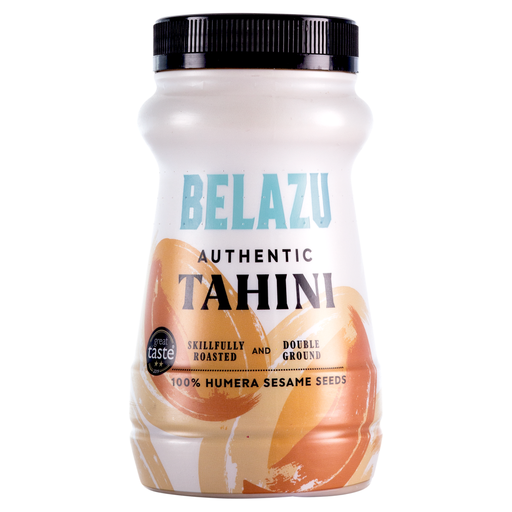
Why This Fits Their Persona: A larger UK-oriented tahini jar for cooks making hummus, dressings, roasted vegetable sauces and sesame-based desserts regularly.
The product is identified as tahini rather than a pre-seasoned sesame sauce, and the label explains that natural oil separation should be stirred in.
500g net content; roasted sesame flavour; double-ground texture; suitable for vegans and vegetarians according to the supplied product information.
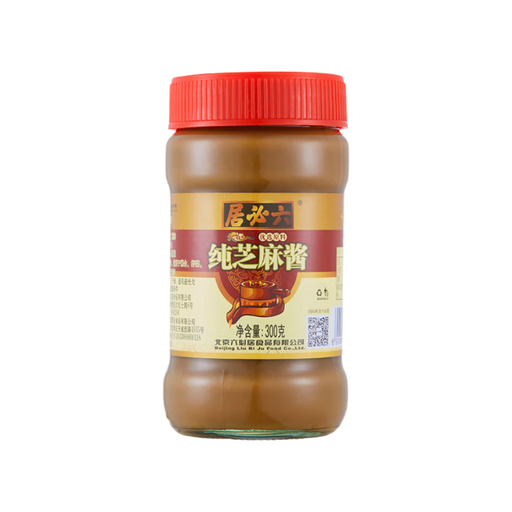
Why This Fits Their Persona: A practical base for frequent hot pot meals, cold noodles, vegetable dressings and homemade Chinese sesame sauce.
Its single-ingredient format makes it easier to control salt, acidity and spice when preparing a dipping sauce from scratch.
300g jar; sesame-only ingredient list; smooth texture designed for gradual dilution with warm water or other seasonings.
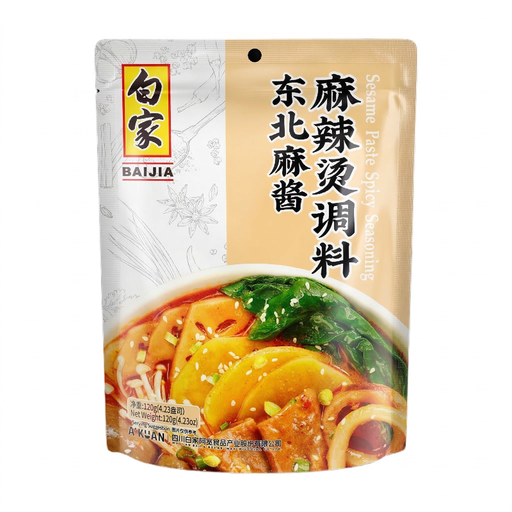
Why This Fits Their Persona: Designed for north-eastern Chinese-style mala tang and spicy hot pot meals when you want a seasoned base with fewer separate ingredients.
The seasoning format and dilution guidance are stated clearly, helping prevent the mistake of using a concentrated paste as a finished dip.
Includes sesame paste, chilli and Sichuan pepper; can be diluted with approximately 800ml–1L of water or stock; suitable for a cooked soup base.
We have compiled a complete, real-time list of products that fully satisfy these strict selection criteria and UK safety regulations.
For a simple hot pot dipping sauce, loosen pure sesame paste with warm water, then add soy sauce, rice vinegar, garlic, spring onion or chilli oil to taste. For sesame paste for noodles, combine it with a little noodle water before adding it to wheat, rice or konjac noodles.
Black sesame paste has a darker colour and a toasted flavour that suits desserts, porridge and sweet fillings. Instant versions such as MILKAN Instant Sesame Paste or Nanfang Black Sesame Paste are more convenient for preparation with hot water, but check whether sugar, rice, starch or glucose is included.
Always read the allergen statement, particularly when serving guests. UK food labels should identify relevant allergens, but recipes and packaging can vary, so check the current product label before use.
They are both sesame-based pastes, but usage and flavour can differ. Tahini is commonly associated with Middle Eastern dishes, dressings and hummus. Chinese sesame paste is often roasted more intensely and used in hot pot dipping sauce, cold noodles and Chinese cooking paste recipes. Check the ingredients and intended use rather than relying on the name alone.
Stir the paste first, then gradually add warm water or stock while mixing continuously. Adding liquid slowly gives you more control over the consistency. Oil separation is natural in many pure sesame products, so incorporate the oil before measuring.
Follow the storage and use guidance printed on the packaging. Many products recommend refrigeration after opening and prompt consumption. Keep the lid sealed, use clean utensils and discard the paste if its smell, appearance or packaging seems abnormal.