
24/7 Customer Support

Free returns

Same-day & Next-day Delivery

Quality Guaranteed

Unlock Your Welcome Offers: FREE Delivery | Up to 80% OFF | Free 30-day JoyPlus trial
Download the APP
Navigating the world of sesame products can be surprisingly complex. You might be trying to recreate that perfect hot pot dipping sauce from your favourite restaurant, whip up a creamy hummus or add a nutty aroma to your stir-fry. However, a quick look at the condiment aisle reveals a confusing array of jars and bottles. Many UK home cooks find themselves buying a product that looks right, only to discover it completely changes the flavour of their dish.
The rich, nutty world of sesame is a cornerstone of many Asian and Middle Eastern cuisines, but not all products are created equal. Before you add another jar to your pantry, let's look at the common pitfalls that can lead to disappointing meals and wasted money.
To ensure you get the right product for your culinary needs, focus on these three core parameters before you buy.
Always check the ingredient list. If you're seeking an authentic base for a hot pot dipping sauce or a classic noodle dish, look for products that list 100% sesame seeds. Products like pure sesame paste will deliver that unmistakable rich, nutty flavour. If the list includes peanuts, sugar or other oils, be aware that the taste and texture will be different. This is particularly important when distinguishing between pure Chinese sesame paste and blended versions.
Understanding the fundamental differences is crucial for stocking your pantry with the right Asian cooking ingredients.
The colour of the seed dictates the final flavour. White sesame paste is the versatile, nutty standard for most savoury Chinese dishes. In contrast, black sesame paste offers a deeper, more complex flavour profile that shines in sweet applications, from black sesame lattes to fillings for glutinous rice balls (tangyuan). When choosing, consider the dish you plan to make.
To help you choose, we've matched some excellent options to different cooking styles and needs.
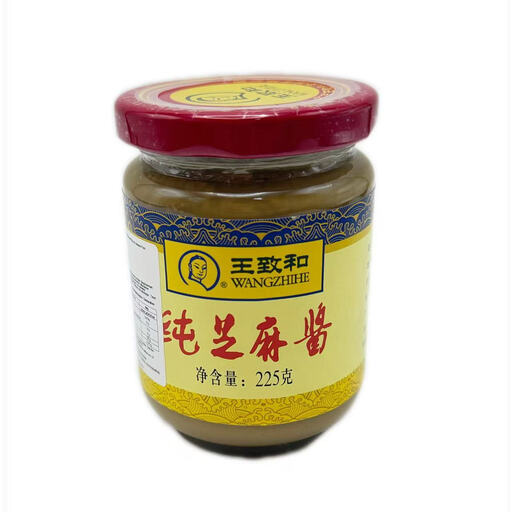
Why This Fits Their Persona: This user wants to create an authentic Chinese hot pot experience at home. They need a rich, unadulterated sesame paste (ma jiang) that serves as the perfect base for a customisable dipping sauce, just like in a traditional restaurant.
It directly avoids the "blended paste" pitfall. The ingredient list is simply "SESAME," ensuring a 100% pure product without peanuts or other fillers that would dilute the authentic flavour.
Its fine, smooth texture and deep, roasted flavour come from a time-honoured brand. It is ready to be thinned with water and seasoned to your exact preference.
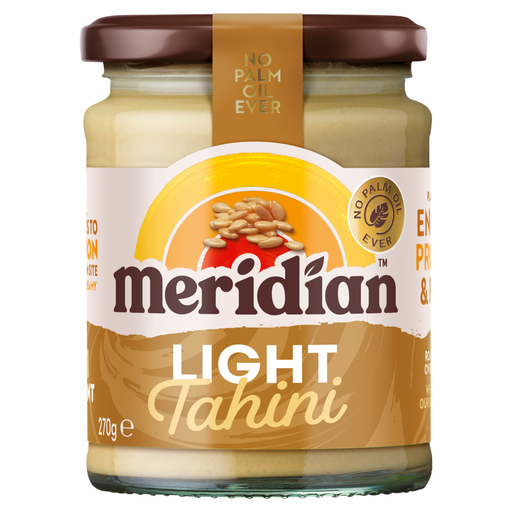
Why This Fits Their Persona: This user is looking for a clean, versatile and high-protein ingredient for making hummus, salad dressings or vegan sauces. They prioritise natural products without unnecessary additives like palm oil, sugar or salt.
This product is the definition of clean-label. It sidesteps the trap of hidden additives by containing only one ingredient: 100% roasted hulled sesame seeds. It is also clearly labelled as a light tahini, avoiding confusion with darker, more intense pastes.
Its smooth, creamy texture comes from using hulled seeds. The absence of added salt or sugar gives the cook complete control over the final flavour of their dish.

Why This Fits Their Persona: This cook regularly makes Asian-inspired dishes and needs a reliable, high-quality finishing oil to add that essential nutty aroma to noodles, soups and stir-fries. They understand the difference between a cooking oil and a flavouring oil.
It avoids the "blended oil" trap. Unlike some other sesame oils on the market (including others from the same brand), this is explicitly "Pure Sesame Oil," made from 100% roasted sesame seeds, not diluted with soybean or other oils.
It delivers a potent, authentic toasted sesame aroma that elevates dishes with just a few drops. It is a fundamental pantry staple for anyone serious about Asian cooking.
We have compiled a complete, real-time list of products that fully satisfy these strict selection criteria and UK safety regulations.
The main differences are the processing and the resulting flavour. Chinese sesame paste (ma jiang) is typically made from toasted sesame seeds, giving it a dark colour and a deep, nutty, roasted flavour. It's the foundation for savoury sauces in Chinese cuisine. Tahini is usually made from raw or very lightly toasted hulled sesame seeds, resulting in a lighter colour and a milder, creamier taste that is central to Middle Eastern dishes like hummus.
For both sesame paste and sesame oil, store them in a cool, dark place away from direct sunlight, like a pantry or cupboard. Once opened, it is advisable to refrigerate both to maintain freshness and prevent the oils from going rancid, especially for pure, natural products without preservatives. Natural oil separation is common in pure sesame pastes; simply stir it back together before use.
It is not recommended. Toasted sesame oil has a low smoke point, meaning it will burn at high temperatures, creating a bitter taste and destroying its delicate aroma. It should be used as a finishing oil—drizzled over dishes just before serving to add flavour and fragrance. For frying, use a neutral oil with a high smoke point like rapeseed or sunflower oil.