
24/7 Customer Support

Free returns

Same-day & Next-day Delivery

Quality Guaranteed

Unlock Your Welcome Offers: FREE Delivery | Up to 80% OFF | Free 30-day JoyPlus trial
Download the APP
Sesame paste can serve very different purposes. A smooth jar of 100% sesame works well in dressings and noodles, while a sweet black sesame blend is more suitable for breakfast or dessert. Ready-mixed spicy sesame sauce, meanwhile, is designed for hot pot and cold dishes rather than spreading on toast.
The main purchasing mistake is assuming that every product labelled “sesame paste” has the same ingredients, texture or use. Before adding a jar or snack to your basket, check what it contains, how it should be prepared and whether it matches the dish you have in mind.
Tahini is generally a savoury paste made from ground sesame seeds. It is commonly used in hummus, sauces and dressings. Chinese sesame paste may also be savoury, but it can have a deeper roasted flavour and is frequently used for hot pot sesame sauce, sesame noodle sauce and cold dishes.
Black sesame paste products intended for breakfast or dessert can contain sugar, rice, starch, glucose or other grains. They may be smooth and creamy after mixing with hot water, but they are not interchangeable with plain tahini in every recipe.
Pure sesame pastes often separate during storage because sesame oil rises to the surface. A layer of oil does not automatically indicate spoilage. Read the storage instructions and stir the jar thoroughly before use.
Products with added starch, sugar, seasoning or emulsifying ingredients may have a different consistency. Always follow the preparation directions rather than judging quality solely by how thick the paste looks when opened.
Sesame is a regulated allergen in the UK and should be clearly identified on the label. Some peanut and sesame paste products contain a high proportion of peanuts, while spicy sauces may also include soya, wheat or fermented bean ingredients.
A product described as sugar-free should still be checked against the full ingredient list and nutrition panel. “No added sugar” and “sugars 0g per 100g” are different label details, and serving sizes can affect how the product fits your usual diet.
For a pure sesame paste for cooking, look for sesame as the sole ingredient. Liubiju Sesame Paste 300g and Cui Zi Brand Sesame Paste 300g are listed with sesame as the ingredient, making them suitable starting points for homemade dressings, dips and noodle sauces.
Tahini can be a useful alternative for British kitchens. Meridian Natural Light Tahini 270g contains 100% roasted hulled sesame seeds, with no added sugar or salt listed. Belazu Tahini 500g is also made with sesame seeds and is positioned for hummus, roasted vegetables and tahini dressing.
For a Chinese-style sesame paste sauce, a blend may be more appropriate. Peanut and sesame paste gives a richer, sweeter and more rounded flavour, whereas a spicy sesame paste includes chilli, aromatics and seasoning that can be used directly or diluted.
Check whether the product is:
Pure sesame paste is usually thick and may need gradual mixing. For a sesame dipping sauce, add warm water little by little while stirring in one direction. You can then adjust it with soya sauce, rice vinegar, chilli oil or garlic, depending on the recipe.
Sweet black sesame paste can include sugar and starch, so compare the ingredients with your intended use. For example, MILKAN Instant Sesame Paste 160g lists black sesame seeds, white granulated sugar, starch, glucose and salt.
For lighter pantry planning, NanFang Black Sesame Paste Sugar-Free 480g lists rice and black sesame seeds, with a nutrition panel showing 0g sugars per 100g. Its preparation instructions recommend mixing with hot water. Check the packaging at purchase for the current ingredient and nutrition information.
For convenience, individually wrapped snacks are easier to portion and carry, but they may include more than sesame. Konjac sesame snacks can contain peanut, soya, sesame, starch, sugar and seasoning. They should be selected as snacks rather than treated as a jar of pure sesame paste.
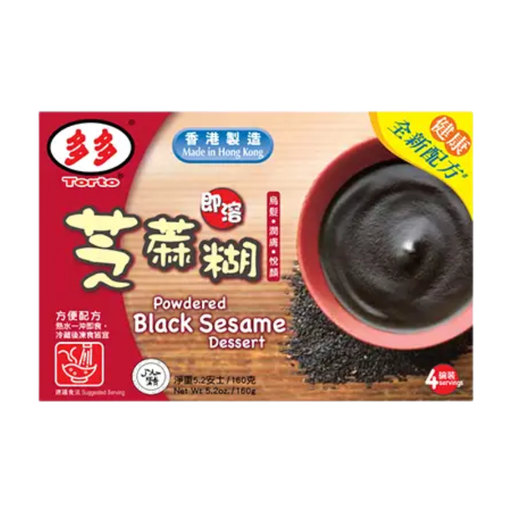
Why This Fits Their Persona: A small 160 g format suits shoppers trying black sesame paste for breakfast, porridge or dessert without committing to a larger jar.
The listed ingredients make clear that this is a sweet instant blend, not a 100% sesame cooking paste.
Black sesame is listed as the first ingredient; the compact pack is practical for occasional use.
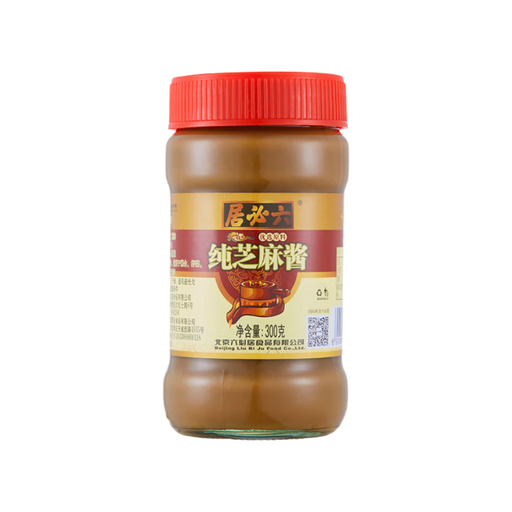
Why This Fits Their Persona: Suitable for cooks who want a plain Chinese sesame paste to customise for hot pot, cold noodles and vegetable dishes.
The ingredient listing states sesame only, so there is no added sugar, chilli or peanut blend to confuse recipe planning.
300 g jar; listed as finely ground and suitable for gradual dilution with warm water or seasonings.
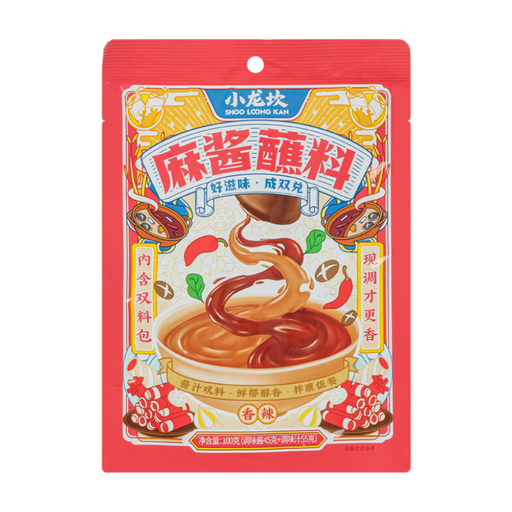
Why This Fits Their Persona: Designed for hot pot evenings, spicy noodle dishes and cold-dish dressing when convenience matters.
The dual sachets separate the paste and liquid, with instructions for mixing in stages rather than relying on an already-set texture.
Contains peanuts and sesame; the prepared dip is suitable for hot pot, noodles or cold dishes.
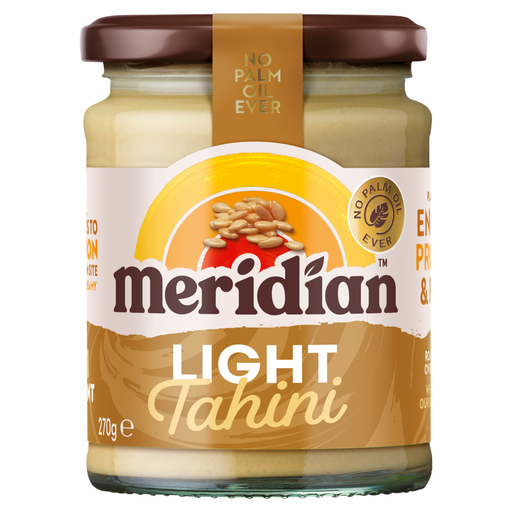
Why This Fits Their Persona: A familiar 100% sesame spread for hummus, toast, roasted vegetables, sauces and baking in a UK kitchen.
The label identifies roasted hulled sesame seeds as the sole ingredient, helping you avoid sweetened or seasoned alternatives.
Listed as vegan-friendly and free from added sugar and salt; natural oil separation is expected.
We have compiled a complete, real-time list of products that fully satisfy these strict selection criteria and UK safety regulations.
For a quick sesame noodle sauce, combine plain sesame paste with warm water, soya sauce, rice vinegar and a little chilli oil. Add the water gradually to prevent lumps. For a sesame dipping sauce, thin it to the consistency needed for vegetables, dumplings or hot pot ingredients.
Peanut and sesame paste can be spread on bread or used as a noodle dressing, but it is unsuitable for anyone avoiding peanuts. A spicy sesame paste seasoning may be concentrated and salty, so dilute it according to the packet instructions and taste before adding extra seasoning.
Store unopened products according to the label. Once opened, many jars should be refrigerated and used promptly. Keep prepared sauces covered, use clean utensils and check the best-before information on the packaging.
They are similar, but not always identical. Tahini usually refers to a plain sesame paste used in Middle Eastern and Mediterranean cooking. Chinese sesame paste may use a different roasting style and is commonly paired with hot pot, noodles and cold dishes. Always check the ingredient list and intended use.
Stir the paste first, then add warm water gradually while mixing continuously. For a sesame paste sauce, you can add soya sauce, vinegar or stock after the texture becomes smooth. Avoid adding a large amount of liquid at once.
Shelf life varies by product. Follow the jar or pouch instructions, refrigerate when stated and use clean utensils. Natural oil separation is common in pure sesame paste, but discard the product if the packaging is swollen or the contents show unusual odour, mould or deterioration.