
24/7 Customer Support

Free returns

Same-day & Next-day Delivery

Quality Guaranteed

Unlock Your Welcome Offers: FREE Delivery | Up to 80% OFF | Free 30-day JoyPlus trial
Download the APP
The craving for a quick, satisfying bowl of sesame paste noodles is a familiar one. Whether you're a student missing a taste of home, a foodie chasing authentic East Asian flavours or simply looking for a convenient meal that doesn't compromise on taste, the UK market is now filled with options. However, navigating this landscape can be tricky. Many products promise an authentic experience but fall short, leading to disappointment and wasted money.
As a Joybuy Product Recommendation Officer, my role is to help you see past the marketing and identify what truly matters. Before you add that packet to your basket, be aware of these common purchasing pitfalls:
To ensure you get a product that delivers on its promise, focus on these three core parameters. They are the key to separating the genuinely good from the merely average.
The soul of any sesame paste noodles dish is the sauce. A high-quality product will feature a complex and well-balanced sauce. Look at the ingredients for more than just "sesame paste".
The vehicle for the sauce is critical. The material and preparation method of the noodle or snack determine its texture and health profile.
Check the usage instructions carefully. A truly "instant" product should only require the addition of boiling water. Others might be "quick-cooking," meaning they need to be boiled on a hob for a few minutes. Neither is inherently better, but it's important to choose the one that fits your lifestyle and available kitchen facilities.
Based on these practical criteria, here are a few options tailored to different needs and preferences.

Why This Fits Their Persona: Ideal for a quick and substantial office lunch or a no-fuss dinner. It requires no hob, just a kettle, making it genuinely convenient for those with limited time or kitchen access.
It delivers on the "instant" promise by only needing hot water to steep. The non-fried broad noodles avoid the mushy texture trap, providing a satisfyingly chewy base for the rich, creamy sesame sauce.
The wide, flat noodle shape ensures maximum sauce coverage in every bite. The preparation is simple and clean: steep, drain and mix.
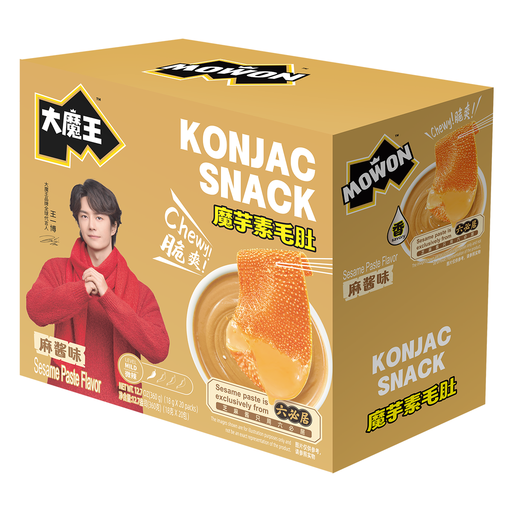
Why This Fits Their Persona: This is for anyone seeking a savoury, flavourful snack without the high calorie count. It's perfect for stashing in a desk drawer or gym bag for a guilt-free flavour hit.
It sidesteps the texture trap by offering a pleasant, chewy bite, not a rubbery one. The individual 18g packs ensure portion control and freshness, preventing you from mindlessly over-snacking.
This is a ready-to-eat, low-calorie Asian snack. The main ingredient, konjac, is rich in dietary fibre.

Why This Fits Their Persona: This is for the foodie or expat who craves the genuine, layered taste of Sichuan street food and won't settle for a bland imitation.
It directly counters the flavour disappointment trap. The sauce sachet contains 46% sesame paste, combined with a separate red chilli oil and vinegar, creating a truly complex, nutty and spicy flavour profile.
The combination of rich ma jiang sauce and aromatic red oil delivers an authentic Sichuan experience. The non-fried noodles provide a superior, chewy texture.
We have compiled a complete, real-time list of products that fully satisfy these strict selection criteria and UK safety regulations.
1. Are instant sesame paste noodles an unhealthy choice? It depends on the product. Many brands, like A'Kuan, now use non-fried noodles, which significantly reduces the fat content compared to traditional deep-fried instant ramen. For a lighter option, look for noodles made from potato starch or konjac, some of which contain zero fat in the noodles themselves. As with any food, moderation is key, but there are certainly healthier choices available.
2. How can I easily enhance my instant noodles? A few simple additions can elevate your instant meal. Consider adding some shredded cucumber for a fresh crunch, a sprinkle of chopped spring onions or coriander, a soft-boiled egg for extra protein or some blanched greens like pak choi. These additions add texture, freshness and nutritional value.
3. What is the difference between Chinese sesame paste and tahini? While both are made from sesame seeds, they are not the same. Chinese sesame paste (ma jiang) is made from toasted sesame seeds, which gives it a darker colour, a thicker consistency and a much deeper, nuttier and more aromatic flavour. Tahini, common in Middle Eastern cuisine, is typically made from raw or very lightly toasted seeds, resulting in a milder, thinner paste. For authentic sesame paste noodles, ma jiang is essential.