
24/7 Customer Support

Free returns

Same-day & Next-day Delivery

Quality Guaranteed

Unlock Your Welcome Offers: FREE Delivery | Up to 80% OFF | Free 30-day JoyPlus trial
Download the APP
A sewing kit can look excellent in a product photo yet prove frustrating once you need to repair a hem, replace a button or start a new craft project. Many shoppers buy based on the number of items listed, but a large quantity does not always mean useful contents.
Before choosing among sewing kits, watch for three common buying traps:
The right choice depends on where and how you sew. A beginner sewing kit for occasional mending has different requirements from a dressmaker’s collection, an embroidery kit or a portable set kept in a suitcase.
For basic clothing repairs, look for a useful combination of:
A travel sewing kit may prioritise compactness, whereas a larger mending kit can include fabric marking tools, clips and specialist needles. If you plan to work with yarn, a crochet hook set may be more suitable than adding general-purpose sewing tools to a small repair case.
For embroidery, check that the kit includes the hoop, fabric, needles, thread and instructions. Buying an embroidery kit without one of these essentials can lead to additional purchases before you can begin.
Product dimensions are especially important for a portable sewing kit. Compare the closed size with the space where you intend to store it, such as a handbag, drawer, craft caddy or suitcase.
A case that opens fully may be more convenient than one with a narrow opening, even if both have similar closed measurements. Internal elasticated loops also help stop needles, pins and scissors from shifting during transport.
For home sewing, a sewing box organiser with a handle and separate compartments can provide more usable storage. Look for a secure latch, a tray for small items and enough room to accommodate additional sewing accessories as your collection grows.
Thread material affects everyday usefulness. 100% polyester thread is commonly selected for general repairs because it is suitable for a broad range of sewing tasks and fabrics. However, always choose thread according to the fabric and project instructions.
For scissors and fabric cutting tools, check the blade description and intended materials. A rotary or electric cutter designed for felt, leather, cardboard or plastic should not be assumed suitable for every textile. Sharp tools require careful storage, and powered cutters need particular attention to blade locks, charging instructions and protective equipment.
Small parts and sharp points are not suitable for young children. Read the supplied warnings, keep needles and pins secured, and store the kit away from heat, moisture and children when not in use.
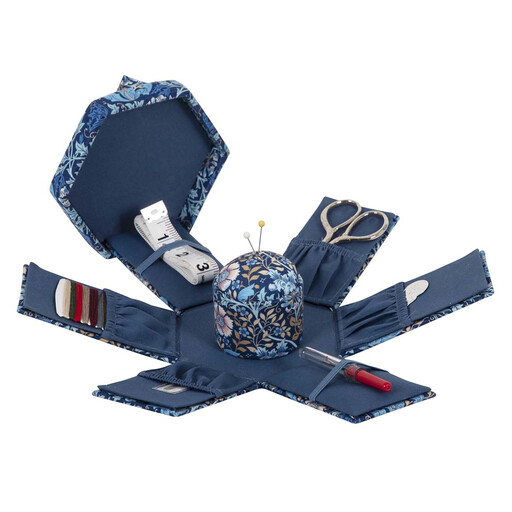
Why This Fits Their Persona: A compact starter option for UK households, students or sewing-class attendees who need core tools without assembling a collection separately.
The listed contents are clearly specified: scissors, seam ripper, needles, pins, thread card, needle threader and tape measure.
Cotton case with Victorian-style floral print; compact 11 x 11 x 12.3cm format.
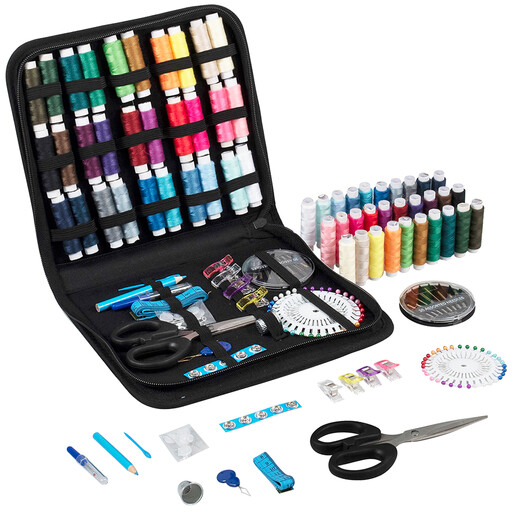
Why This Fits Their Persona: Suitable for makers who want a broader set of organised tools for regular mending, classes and small creative projects.
The specification lists the individual contents rather than relying only on a high item count, including clips, snaps, pins and a yarn needle.
Includes 30 hand needles, 30 polyester threads and elasticated loops; opens to 22.5 x 41.5 x 2cm.
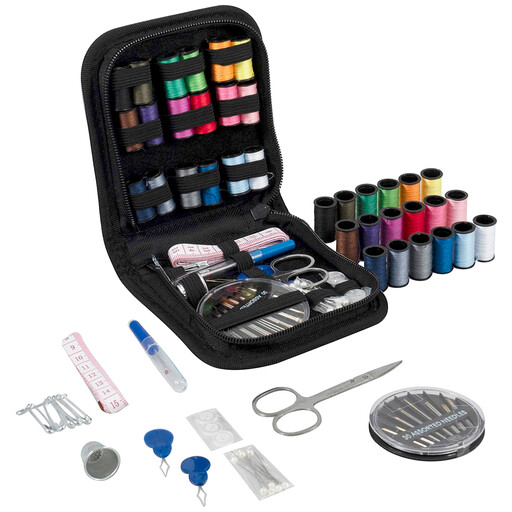
Why This Fits Their Persona: A practical travel sewing kit for handbags, suitcases, university accommodation and quick clothing repairs away from home.
The case uses elasticated loops and opens fully, so the contents are visible instead of becoming loose items at the bottom of a bag.
Closed dimensions are 12 x 12.5 x 3cm; contents include 30 hand needles, 18 polyester threads, buttons, pins and a 150cm tape measure.
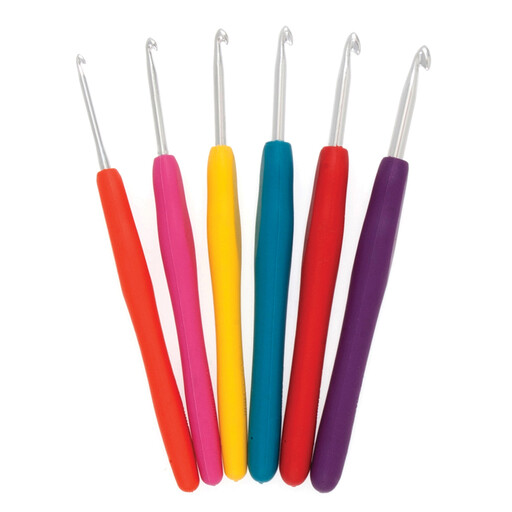
Why This Fits Their Persona: Designed for crocheters and crafters who need several common hook sizes rather than a general mending assortment.
The hook sizes are stated clearly, helping shoppers avoid buying a mixed set that does not match their yarn or pattern requirements.
Six 14cm hooks from 2.5mm to 5.0mm, with soft-grip handles and polished aluminium tips.
We have compiled a complete, real-time list of products that fully satisfy these strict selection criteria and UK safety regulations.
A complete set is not always necessary on the first purchase. Start with a suitable mending kit for buttons, hems and loose seams, then add specialist sewing accessories as your projects develop.
Useful additions may include:
Keep thread away from damp conditions and store sharp tools closed or covered. Check thread for fraying, replace blunt needles and inspect scissors if cutting becomes uneven. With sensible storage and occasional replacement of consumable items, a well-chosen sewing kit can remain useful for routine repairs and creative work over an extended period.
A beginner sewing kit should normally include needles, thread, scissors, pins, a tape measure, a seam ripper and a needle threader. Buttons, safety pins and a thimble are also useful for household repairs. Choose a case that keeps each item secured and easy to identify.
Yes. A travel sewing kit is suitable for small jobs such as replacing buttons, repairing seams and making minor hem adjustments. Its compact contents may not be enough for dressmaking or large projects, so regular sewists may eventually need additional sewing tools and storage.
Store sewing kits in a dry place with needles, pins and scissors secured inside their case or organiser. Keep fabric cases clean according to their care instructions, and avoid placing heavy objects on top of delicate storage boxes. Powered fabric cutting tools should be switched off, locked and stored according to the manufacturer’s safety guidance.