Coordinators making repeated batches
If volunteers will sew flags over several sessions, consider how the machine handles your fabric and binding together, as well as how easily different people can operate it.


For light- to medium-weight cotton bunting, start with a straightforward mechanical machine if its stitches cover your planned seams and edge finish. If repeated sessions involve thick binding or layered fabric, check a heavier-duty model against the actual fabric stack; electronic controls are worth considering when the group needs their additional settings.
If volunteers will sew flags over several sessions, consider how the machine handles your fabric and binding together, as well as how easily different people can operate it.
For an occasional project using light- to medium-weight fabric, straightforward controls, a foot pedal and the stitches needed for the chosen seams matter more than a long decorative-stitch menu.
If the machine moves between venues or users, check its weight, threading and bobbin arrangements, and whether the exact version includes a suitable cover.
Start with the fabric, binding and thickest join the group plans to sew; then weigh ease of shared use against the demands of repeated sessions and storage.
| Concern | What to check | Who this matters to |
|---|---|---|
| Easy shared setup | Check for the stitches needed for seams and edge finishing, adjustable stitch length, a foot pedal and clear threading instructions. | If volunteers change between sessions, I want each person to be able to thread the machine and control their pace. Around 37% of consumers would put easy shared setup first. |
| Repeated-batch sewing | Assess the machine against the planned number of sessions and fabric joins; consider speed controls rather than maximum speed alone. | When we have many flags to sew, I need a machine the team can use steadily across sessions. Roughly 27% of consumers would make repeated-batch sewing their main concern. |
| Thicker joins and mixed fabrics | Check the exact model’s stated fabric capability, presser-foot clearance and needle guidance against the thickest fabric-and-binding stack. | If our flags include bulky binding or tougher fabric, getting that join through the machine matters most to me. Around 18% of consumers would prioritise material flexibility. |
| Storage and transport | Confirm the machine’s weight, carrying arrangements and included cover; check the listing’s voltage, plug and instructions. | Our group needs to pack the machine away or move it between venues without losing track of its accessories. About 18% of consumers would put practical storage and transport first. |
A small project using ordinary cotton flags may not need the features of a heavy-duty or computerised machine, while thicker joins can change that decision.
Gather samples of the fabric, binding and thickest expected join before choosing a machine type.
More stitch choices do not establish how a machine handles a bulky join or how easily volunteers can set it up.
Identify the stitches the bunting requires, then check the exact model’s fabric guidance, presser-foot clearance and setup features separately.
Voltage, plugs, instructions and warranty arrangements can differ between versions. Brother specifies 220–240 V for the HF37, but that does not describe every listing.
Confirm the model identifier, supplied power equipment, instructions and after-sales arrangements for the version you intend to buy.
A machine that is awkward to move or protect may be inconvenient when a group uses shared cupboards or several venues.
Check its stated weight and carrying arrangements, and confirm whether a cover is included with the exact version.
Brother’s HF37 is one mechanical option to examine if the group expects thicker joins as well as ordinary bunting.
Janome offers mechanical models with different controls and setup features that may suit shared craft sessions.
SINGER’s Heavy Duty 4423 is a mechanical model to assess when the project includes tougher fabric or bulkier joins.
These portable IAGREEA machines are options to examine for basic craft sewing and shared setup. Before choosing either for bunting, confirm that its stitches suit the planned seams and edge finish and that it can handle the thickest fabric-and-binding join.
 No image available
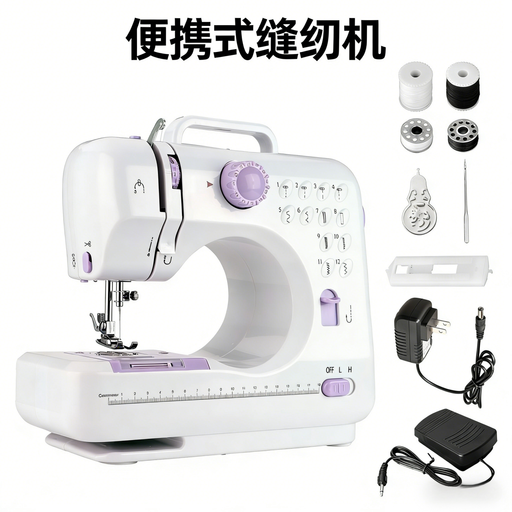
Consider this compact craft machine if different volunteers need a portable option; confirm its stitch types before planning the bunting seams and edge finish.
The product name specifies 12 stitches, dual power and an LED light. Check how the exact version is powered, whether it handles your fabric-and-binding stack, and its supplied plug and instructions.
 No image available
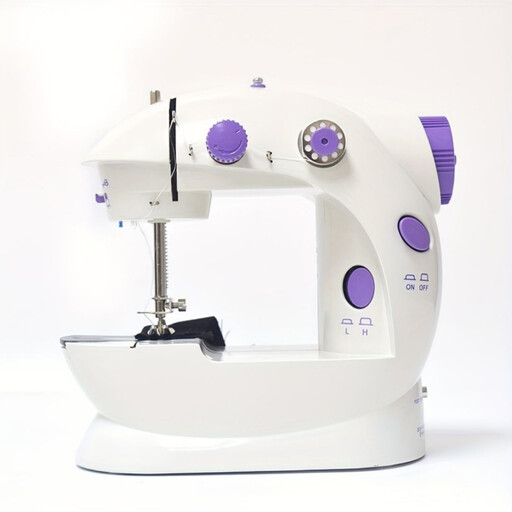
This portable machine may suit simple shared craft sessions, but check that its stitch and fabric capabilities meet the bunting plan before relying on it.
The product name specifies a pedal, 6V 1A power, operation using 4AA batteries or plug-in power, and a spare needle and threading device. Confirm the required adapter, supplied plug and instructions for the exact version.
No: for light- to medium-weight woven bunting, a mechanical machine can be suitable if it provides the stitches and speed control your project needs. Consider electronic features if the group also wants decorative stitches or repeatable programmed settings.
Consider one when repeated sessions involve thick binding, multiple layers or tougher fabrics. Check the exact model’s fabric guidance, presser-foot clearance and needle requirements against your thickest planned join; the heavy-duty label alone is not enough.
Make sure volunteers can follow the threading and bobbin instructions and that the required needles and bobbins are available. If the machine will move between venues, check its weight, cover and arrangements for keeping the pedal and lead together.
Check the exact model’s voltage, supplied plug and instructions, and buy from a seller who can identify the product and provide after-sales support. The Office for Product Safety and Standards explains that the Electrical Equipment (Safety) Regulations 2016 set requirements for electrical equipment placed on the Great Britain market; this does not establish that any particular listing meets them.
No universal requirement for an overlocker applies to bunting. Choose the seam and edge finish for your fabric first, then check whether the sewing machine can make it; an overlocker is an additional machine rather than a substitute you must buy for straightforward flags.