What matters when buying?
Choose the case pattern and materials first, then decide how much help volunteers need with setup and speed control; check arrangements for shared use before committing to repeated production.
| Concern | What to check | Who this matters to |
|---|
| Beginner setup and control |
Try threading and bobbin insertion, then assess stitch selection and how comfortably a new volunteer can control sewing speed. Check for a zip foot if the pattern needs one. |
When volunteers are learning at a shared machine, I want them to start and stop short seams without feeling rushed. Around 36% of consumers put beginner-friendly setup and control first. |
| Layered fabrics and closures |
Test the chosen outer fabric, lining and padding together, including the thickest seam. Check the stitches and presser foot required by the closure. |
If our cases use wadding or interlining, I need the machine to feed our finished material stack consistently. For around 29% of consumers, handling those layers is the primary concern. |
| Repeated production |
Consider the machine’s construction, how often it will be moved and whether the team can try repeated seams at a manageable pace. |
Making cases across regular sessions means I care about a machine the team can handle and keep in use, not just its maximum speed. Robustness and production pace come first for around 21% of consumers. |
| Shared-use support and safety |
Check the manual, included accessories, support route and a procedure for induction, switching off for adjustments and reporting damage. |
With several volunteers sharing equipment, I need a clear way to teach safe use and deal with faults between sessions. Around 14% of consumers make support and shared-use arrangements their first priority. |
Relevant brands to consider
These examples show different machine features to assess for a shared glasses-case project; each point applies to the named model, not every machine from its brand.
Brother
The Innov-is A16 is an electronic option to examine when beginners will share a machine and controlled speed and corner pivoting matter.
- Brother lists a one-step needle threader, quick-set bobbin, speed slider, needle up/down control and 16 stitches for the Innov-is A16.
- Check the exact UK model manual and included accessories against the project’s pattern; its stated feeding features do not replace a test with the chosen layers.
Janome
The Sewist 725S offers a conventional mechanical setup, while Janome positions the HD2200’s solid metal body for schools and heavier use.
- Janome lists a needle threader, top-loading bobbin, adjustable foot pressure and extra-high presser-foot lift for the Sewist 725S.
- The HD2200 has a stated weight of 8.0 kg and 22 stitch choices.
- The HD2200’s weight matters if volunteers must carry the machine to temporary venues. Check support arrangements for the exact model and seller.
SINGER
The Heavy Duty 4423 is a model to assess when the chosen case repeatedly has bulky seams or heavier outer fabric.
- SINGER lists a metal frame, extra-high presser-foot lift, adjustable foot pressure and 23 stitches for the 4423.
- Its stated maximum of 1,100 stitches per minute is not a target for beginners sewing small pieces. Test the materials and introduce the controls before group production.
Joybuy machines for basic sewing
These portable IAGREEA machines are options to examine for basic sewing in a craft session. Before choosing one for padded glasses cases, confirm the stitches and presser feet required by the pattern and try the intended fabric layers.
 No image available
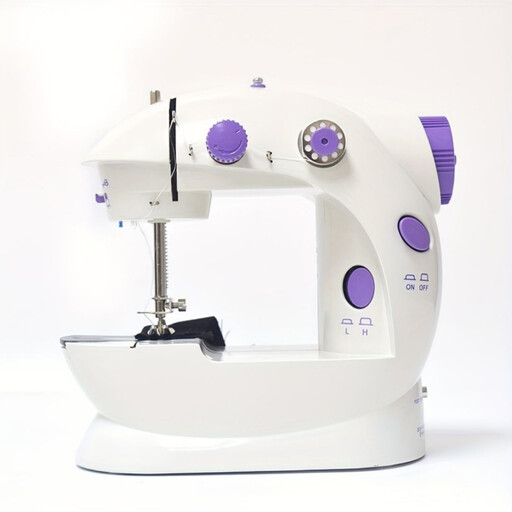
IAGREEA Mini Portable Electric Sewing Machine, 12 stitches, purple
For a basic craft session, consider this model if volunteers need a portable machine and can practise on the intended case materials before production.
The product name specifies 12 stitches, dual power and an LED light. Confirm that its stitch types and included feet suit your pattern, especially if it uses a zip.
Shop on Joybuy
 No image available
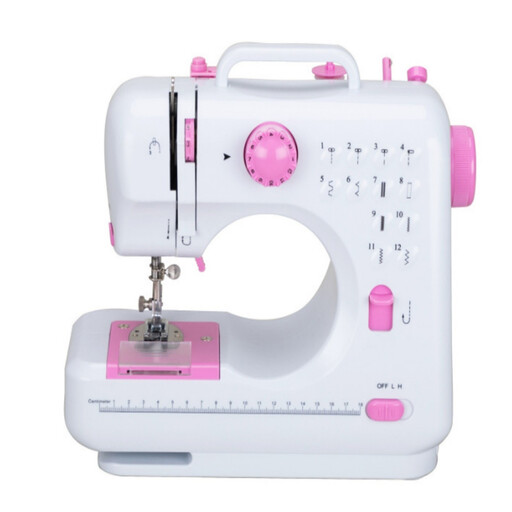
IAGREEA Mini Portable Electric Sewing Machine, 12 stitches, pink
For basic stitching and hemming during a craft session, assess this portable model against a sample of the group’s planned case.
The product name specifies 12 stitches, dual power and an LED light. Check which stitches and presser feet are included before relying on it for a particular closure or padded seam.
Shop on Joybuy
 No image available
IAGREEA Portable Mechanical Sewing Machine with Pedal, 6V 1A
For a simple case-making activity, consider this portable model only after checking that its stitch meets the chosen pattern’s requirements.
The product name specifies a pedal, battery or plug-in power using 4 AA batteries, and included thread shuttle cores, a spare needle and a threading device. Check the stitch type and any required presser foot, then test the planned fabric layers.
Shop on Joybuy
Questions about shared use
Do we need a heavy-duty machine for glasses cases?
Not necessarily: a domestic machine can be a sensible starting point for a simple fabric case if it has the stitches the pattern calls for and handles the chosen materials. Just Fabrics describes straight and zigzag stitching in one case method, while Simply Sewing’s pattern includes lining and wadding. If your project repeatedly sews bulky padding or heavier fabric, test that exact stack before choosing a machine for group production.
What should volunteers learn before using a shared machine?
Teach the setup and operating steps for the exact machine, including threading, bobbin insertion, fabric positioning, foot-control use and what to do if a needle bends or breaks. The Health and Safety Executive says employers must include volunteers in risk assessments where applicable and advises switching off power for adjustments and needle changes. Keep the model manual accessible during induction.
How should we look after the machine between sessions?
Follow the model manual, inspect the needle area and electrical lead, and take a machine out of use if it appears damaged or operates unsafely. The Health and Safety Executive advises maintaining electrical equipment to prevent danger; the appropriate checking routine depends on its use and surroundings.
Does an authorised retailer matter for after-sales help?
It can matter if the project expects demonstrations, warranty support or repairs. Janome UK & Ireland advises using an official UK retailer for after-sales care and warranty on its machines. For whichever brand and model you choose, confirm the seller’s support route and the applicable warranty terms before ordering.


