Volunteer groups teaching beginners
Several people may need to thread, set up and share one machine. Clear controls matter, while a needle threader or drop-in bobbin can make particular setup steps easier where the chosen model has them.


For a community group making standard woven cushion covers, start with a straightforward mechanical machine that volunteers can learn to set up and that can accommodate the planned closures. Consider a sturdier model for frequent use or bulky seams; computerised controls are more relevant when regular operators will use their guidance and convenience features.
Several people may need to thread, set up and share one machine. Clear controls matter, while a needle threader or drop-in bobbin can make particular setup steps easier where the chosen model has them.
For batches of woven covers, prioritise straight seams, the intended closure and a setup volunteers can repeat. The Sewing Studio advises beginners to consider core stitches and essential feet, including a zipper foot, rather than stitch quantity alone.
Bulky seam intersections call for a closer look at fabric handling. Compare the actual machine with the planned layers and construction before relying on a heavy-use label.
Choose the machine type around the covers and the people who will sew them, then check the exact model against the planned fabric and closure.
Consider it: For ordinary woven covers when occasional volunteers need controls that are straightforward to demonstrate.
Trade-off: Beginner conveniences and fabric-handling adjustments vary by model, so basic controls alone do not settle suitability.
Consider it: When frequent shared use, heavier furnishing fabric or bulky construction makes the intended fabric stack a priority.
Trade-off: A sturdier machine may be less convenient to move between venues, and its label cannot replace a test of the difficult seams.
Consider it: When regular operators would use guided settings or troubleshooting prompts across this and later projects.
Trade-off: Occasional volunteers still have to learn the controls; extra stitches are not, by themselves, a cushion-cover requirement.
| Concern | Buying checks | Who this matters to |
|---|---|---|
| Shared setup | Look at threading, bobbin loading and stitch selection; plan a short volunteer induction. | If several beginners will take turns, I want each person to get started without prolonged help. Around 31% of consumers would put shared setup first. |
| Repeated seams and zips | Confirm straight stitch, adjustable stitch length and reverse stitching; check for an included or compatible zipper foot if covers will have zips. | When making a batch, I need a repeatable way to sew long seams and fit the chosen closure. Roughly 31% of consumers would prioritise that workflow. |
| Bulky fabric sections | Try the intended layers and seam intersections; assess foot clearance and fabric-handling controls on the exact model. | If piping or folded allowances make corners thick, I need the machine to handle my actual construction. Around 23% of consumers would make fabric handling their main concern. |
| Guided operation | Check whether regular users would use the available prompts and controls, and whether occasional users can follow them. | As a regular coordinator, I may value guidance when setting up or resolving an error. About 15% of consumers would put those conveniences first. |
More stitch choices do not settle whether volunteers can set up the machine or sew the planned closures. The Sewing Studio points beginners towards core stitches and essential feet.
Decide on fabric and closure first, then check the exact model for straight stitching, stitch adjustment, reverse stitching and a zipper-foot solution where needed.
Piping, lining and folded allowances can bring several layers together at one point. Adjustable foot pressure or a higher foot lift is worth examining, but neither establishes how a particular fabric stack will sew.
Where possible, ask to try the intended fabrics, thread and seam intersection before preparing the full batch.
Service arrangements and the version of an electrical machine supplied can matter after a group starts using it. Janome UK & Ireland advises checking official retailer status for after-sales care and warranty on its machines.
Confirm the exact model, plug, documentation, warranty and service route with the seller. For use in Great Britain, check the applicable conformity marking and documentation; Northern Ireland has separate provisions.
An unclear supply route can also make warranty or service support harder to arrange.
Its UK range offers examples across simple mechanical operation and machines positioned for heavier use.
A computerised option to examine if regular users want help with setup and troubleshooting.
A brand to consider if the group expects projects beyond standard covers.
A domestic-machine alternative for groups that may also use their purchase for mending.
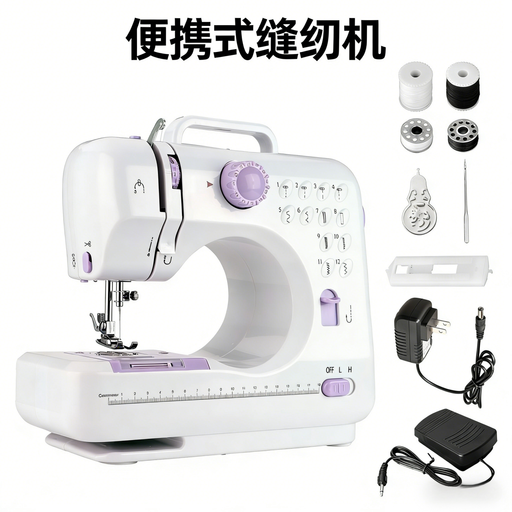
This compact machine is relevant to considering beginner-led sessions and basic seams. Check the planned closure and fabric layers before choosing it for a batch of covers.
 No image available
For beginner-led basic-seam sessions, consider whether the described printed threading guides and video tutorial would help volunteers learn the setup.
The product name specifies 12 stitches, dual power and an LED light. If the covers will have zips, confirm zipper-foot compatibility and stitch-length control; try the intended fabric layers before planning repeated use.
No overlocker is required for standard woven covers if the chosen domestic machine can sew the planned seams and the group has a suitable way to finish them. Check the fabric and construction plan before deciding whether any additional seam-finishing equipment would be useful.
No: for standard cushion covers, the needed seams, closure and setup matter more than the stitch total. Confirm adjustable straight stitching and, for zipped covers, an included or compatible zipper foot on the exact model.
Choose a seller that can explain support for the exact model and its warranty arrangements. Janome UK & Ireland advises buying its machines through an official UK retailer for after-sales care and warranty; ask about the service route before committing the group to one machine.