For zipped pencil cases, choose a machine with a supplied or compatible zipper foot, stitching you can control around zip ends, and threading and bobbin changes that shared users can manage. A beginner-oriented electronic machine suits sessions focused on straightforward set-up and corner pivots; a heavier-duty mechanical machine is worth considering for frequent work with bulkier fabric layers, while a school-oriented model may suit a more permanent workstation. Whichever route you choose, check it against the actual fabrics and the workshop’s training and equipment arrangements.
Who is the machine for?
First-time workshop sewists
If you are learning to make a lined, zipped pencil case, straightforward threading, a drop-in bobbin and controllable stitching can make shared sessions easier to manage. LoveCrafts’ pencil-case tutorial includes zip insertion and lining, so check that the machine’s controls let you work carefully through those steps.
Frequent makers using layered fabrics
If sessions regularly involve canvas, twill, denim or bulky sections near a zip, focus on clearance under the presser foot and how the machine feeds your intended fabric stack. Test the outer fabric, lining and zip tape together rather than choosing by stitch count alone.
Workshop organisers
You need a machine that different users can learn to operate and that can be checked between sessions. For equipment used at work, the UK Health and Safety Executive emphasises suitability, user training and electrical condition; plan supervision and maintenance around the workshop’s actual setting.
What matters when choosing?
For zipped pencil cases in a shared UK workshop, settle the zip-sewing and shared-use requirements before deciding whether heavier-fabric features matter to your sessions.
| Concern |
What to check |
Who this matters to |
| Zip and corner control |
A supplied or compatible zipper foot; controllable stopping for pivots and moving the zip pull. |
When I sew close to a zip, I need to pause and turn the case without losing my place; around 42% of consumers put zip-and-corner control first. |
| Shared-workshop operation |
Controls users can learn, plus a routine for induction and checking the plug, cable and needle area. |
If several people will use one machine, I need it to be straightforward to teach and check between sessions. Roughly 33% of consumers make shared-use manageability their primary concern. |
| Layered-fabric handling |
Presser-foot clearance for the intended layers and the manufacturer’s guidance on suitable fabrics and needles. |
With a thicker outer fabric, lining and zip tape, I need to get through the bulky sections without rushing; for about 25% of consumers, handling those layers comes first. |
Buying pitfalls
-
Choosing by decorative-stitch count
A zipped pencil case calls for stitching close to the zip and controlled work around corners; extra decorative stitches do not answer those needs.
Check whether a zipper foot is included or compatible, then try the intended zip and fabric layers on scraps before a session.
If a compatible zipper foot is not included, you may need to obtain one separately.
-
Assuming a heavy-duty label makes fast sewing appropriate
Features for thicker fabric can be useful at bulky zip ends, but they do not replace slow stitching or instruction for less-experienced users.
Choose heavier-fabric features when your projects call for them, and teach users to slow down at thick sections and zip ends.
-
Relying on a PAT label alone
For electrical equipment used at work, the UK Health and Safety Executive says annual portable appliance testing is not a legal requirement. It also stresses visual checks, which can reveal defects that testing alone may miss.
Set inspection and maintenance arrangements appropriate to the equipment and workshop, and take damaged equipment out of use.
-
Overlooking the move between workstations
Janome lists the HD2200 at 8.0 kg. That weight matters if organisers expect to carry the machine to every session.
Decide whether it will stay at a workstation or need protected storage and regular carrying before choosing a heavier model.
Brands to consider
Brother
The Innov-is A16 illustrates a beginner-oriented electronic option for workshops prioritising set-up and corner control.
- Brother lists one-step needle threading, a quick-set drop-in bobbin, slide speed control, needle up/down control and an included zipper foot for the Innov-is A16.
- Check the intended fabric and needle combination rather than assuming those controls establish how the machine will handle every layered section.
Singer
The Heavy Duty 4423 illustrates a mechanical option to consider when heavier outer fabrics are a regular part of the workshop’s projects.
- Singer lists a metal frame, adjustable presser-foot pressure, an extra-high presser-foot lifter and an included zipper foot for the 4423.
- Singer’s stated speed of 1,100 stitches per minute is not a reason to sew quickly around zip ends, particularly with novice users.
Janome
The HD2200 illustrates a domestic machine Janome positions for schools and heavy users, particularly where it can remain at a workstation.
- Janome lists a solid metal body, adjustable foot pressure, an automatic needle threader, a drop-in bobbin and a hard cover for the HD2200.
- Its listed 8.0 kg weight is worth considering if the machine must be moved frequently.
Joybuy product choices
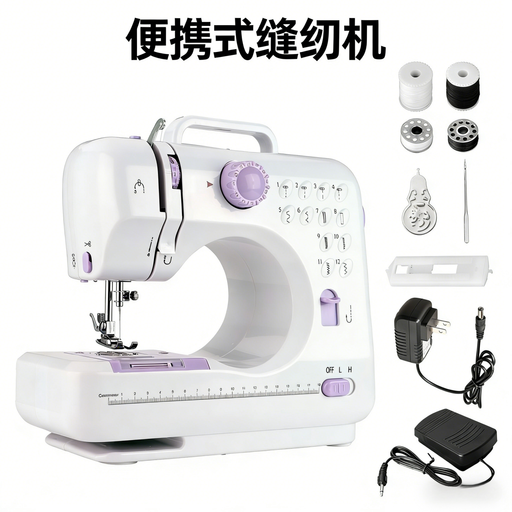
This compact, portable machine is a choice to examine for craft sewing in shared sessions. Before using it for zipped pencil cases, confirm zipper-foot compatibility, suitability for the intended fabric layers and the workshop’s electrical connection.
 No image available
IAGREEA Mini Portable Electric Sewing Machine, 12 Stitches, Dual Power, Purple
Consider this portable machine for craft sessions if its controls and accessories suit your zipped pencil-case project.
Its stated features include 12 stitches, dual power and an LED light.
Confirm a compatible zipper foot and the appropriate power connection, then test the outer fabric, lining and zip-end layers before workshop use.
Joybuy
Questions about workshop use
Do ordinary pencil cases need an industrial sewing machine?
Usually not: the zipped pencil-case projects described by LoveCrafts and BERNINA UK use a sewing machine and zipper foot. Consider a heavier-duty route if sessions regularly involve thicker fabric stacks, and test the actual materials before deciding.
Which presser foot should I check before buying?
Check that a zipper foot is supplied or that a compatible one is available for the exact machine. The pencil-case instructions from LoveCrafts and BERNINA UK use a zipper foot for stitching close to the zip teeth.
Does a shared UK workshop machine need annual PAT testing?
Annual portable appliance testing is not automatically required for electrical equipment used at work: the UK Health and Safety Executive says the Electricity at Work Regulations 1989 require equipment that could cause injury to be maintained in a safe condition, but do not prescribe an annual test. Choose checks and any inspection or testing to suit the equipment and its working environment.
What should users do before changing a needle?
Switch off the power before changing a needle or making an adjustment. The UK Health and Safety Executive also advises removing feet from the treadle when threading or changing needles; make sure shared users are taught the workshop’s procedure.
How should a workshop store and maintain its machine?
Keep the machine and its cable in good condition, with checks and maintenance suited to how the workshop uses it. A hard cover or protected storage can help between sessions, but does not replace the inspection and user-training arrangements emphasised by the UK Health and Safety Executive.


