For a small run of simple skirts in predictable light-to-medium fabrics, start with a general-purpose machine that offers adjustable stitch length and check that a suitable zipper foot is available if the design needs one. If volunteers will share the machine, easy threading and speed control may matter more; for repeated batches or varied, layered fabrics, consider sturdier construction and adjustable presser-foot pressure, then test the thickest seam you expect to sew.
Who is the machine for?
Volunteers who need straightforward setup
When several helpers share short sewing sessions, threading, bobbin loading and controls that the least-experienced user can manage become important. Speed control is worth considering if volunteers need to start seams and turn corners carefully.
Groups making repeated batches of skirts
For several similar garments, focus on the straight seams, hems and closures the group will repeat. Check the appropriate feet and replacement supplies rather than choosing by decorative-stitch count alone.
Teams working with different fabric weights
Lightweight fabric, thicker waistbands and layered hems can place different demands on feeding and presser-foot settings. Use the planned fabrics and thickest seam layers to assess a machine before committing to it.
What matters when choosing?
Choose the type of machine around the group's workload and users, then check the controls, feet and fabric combinations needed for the actual skirts.
Simple mechanical machine
Consider it when: A small group with confident users is sewing uncomplicated skirts in predictable light-to-medium fabrics.
Trade-off: Straightforward manual controls may suit the task, but the group must be comfortable threading the machine and changing settings and feet.
Electronically controlled beginner machine
Consider it when: Several less-experienced volunteers need controllable speed and easier setup.
Trade-off: Conveniences such as automatic threading do not make a domestic machine a dedicated production machine.
Sturdier domestic machine
Consider it when: The group expects repeated sewing sessions or plans to alternate between lightweight material and thicker, layered sections.
Trade-off: Heavier construction can make the machine less convenient to move, and model-specific fabric claims still need checking against the group's materials.
| Concern |
What to check |
Who this matters to |
| Easy shared setup |
Try the bobbin loading and stitch controls with the least-experienced user; check whether speed control is needed. |
When volunteers take turns at the machine, I want to start a seam without struggling to set it up. Around 42% of consumers put easy shared operation first. |
| Repeat sewing and finishing |
Check adjustable stitch length, a suitable zipper foot if needed, and access to replacement bobbins and needles. |
With several skirts to finish, I need dependable construction seams and a way to sew the planned closures. Repeat sewing is the primary concern for around 33% of consumers. |
| Mixed or layered fabrics |
Test the planned fabrics and thickest waistband or hem layers; consider adjustable presser-foot pressure when fabric weights vary. |
If lightweight material and thick seam stacks are both on the cutting table, I need to know how the machine handles each. Around 25% of consumers prioritise mixed-fabric handling. |
Buying pitfalls
-
Choosing by decorative-stitch count
A larger stitch catalogue does not establish whether a machine can handle the skirt fabric, waistband layers or shared setup.
Write down the planned seams, hem, waistband and closure. Check stitch-length adjustment and the required foot before weighing decorative options.
-
Treating a heavy-duty label as a fabric test
Manufacturer descriptions of heavier-fabric capability depend on the particular model and do not settle how it will sew the group's fabric, layer count, needle and thread.
Where possible, take offcuts that include the thickest waistband or hem stack to a dealer and ask which needle, thread and foot to use.
-
Overlooking support during a production run
A missing compatible bobbin or foot, or an unclear service route, can interrupt sewing when the group has a deadline.
Before ordering, confirm the included feet, bobbin type, replacement supplies, servicing contact and warranty route for the specific machine.
Brands to consider
These model lines illustrate different approaches to simple skirt-making; assess the exact machine and fabric combination rather than treating a brand name as a guarantee.
Janome
Janome UK & Ireland lists the two-dial 2200XT for straightforward domestic sewing and describes the metal-bodied HD2200 as intended for schools and heavy users.
- The 2200XT has 22 built-in stitch choices and variable stitch length and width; the HD2200 lists adjustable presser-foot pressure and a drop-in bobbin.
- Janome's positioning does not establish how either model will handle the theatre group's exact fabric layers.
Brother
Brother's Innov-is A16 is a domestic machine whose listed controls may suit volunteers with different levels of sewing experience.
- Brother lists 16 stitches, slide speed control, needle up/down control, a quick-set bobbin and a one-step needle threader.
- Brother's statements about feeding heavier fabrics do not replace a test of the group's material and seam thickness.
SINGER
SINGER positions the Heavy Duty 4432 as a domestic option for projects spanning lightweight sheers and heavier materials.
- SINGER lists adjustable presser-foot pressure, a metal frame and 32 built-in stitches for the 4432.
- Its material-capability statements are manufacturer claims; confirm availability and support, and test the intended fabrics where possible.
Joybuy product choices
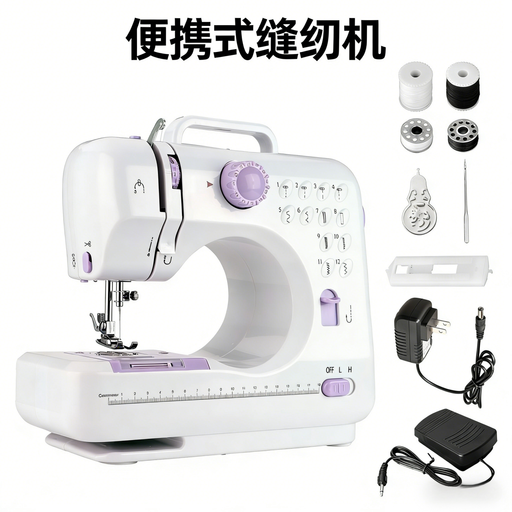
This compact sewing machine is a choice to examine for basic skirt seams and hems. Confirm the stitch adjustments, foot and fabric handling your group needs before selecting it for a batch.
 No image available
IAGREEA Mini Portable Electric Sewing Machine, 12 Stitches, Purple
Consider it for basic skirt seams and hems if its controls and available feet suit the group's design. The product name specifies 12 stitches, dual power and an LED light. Confirm adjustable stitch length and a suitable zipper foot before buying; test the thickest planned seam and ask the seller about support for repeated group use.
View on Joybuy
Questions about sewing theatre skirts
Do simple theatre skirts require a heavy-duty machine?
Not automatically: a general-purpose machine can suit a modest run in predictable light-to-medium fabrics if it has the stitch adjustments and feet the design requires. Consider a sturdier or more adjustable model for repeated batches, varied fabrics or thick waistband and hem layers, and test those layers before deciding.
Which controls are useful when several beginners share a machine?
Straightforward bobbin loading, threading and controllable speed are useful starting points. Brother lists those conveniences on the Innov-is A16, while Janome lists automatic needle threading and a drop-in bobbin on the HD2200; let intended users try the controls if possible.
Can one machine handle sheer fabric and thick waistbands?
It may, but the answer depends on the exact fabrics and seam stack. Janome lists adjustable presser-foot pressure on the HD2200, and SINGER lists it on the Heavy Duty 4432; neither feature alone establishes suitability for every combination, so test offcuts with the intended needle and thread.
What should a theatre group check about after-sales support?
Confirm the machine's warranty route, service contact and supply of compatible bobbins, needles and feet before ordering. Janome UK & Ireland provides a retailer search, and Brother provides UK support materials for the Innov-is A16; check the arrangements for the exact model and seller you choose.


