What matters when choosing?
Choose the controls needed for a basic seam first, then decide whether easier setup or heavier-fabric capability matters for your other projects.
| Concern | What to check | Who this matters to |
|---|
| Learning basic seams |
Check for a straight stitch, adjustable stitch length, an all-purpose foot and a way to secure the seam. |
If I am making my first scrunchies, I want to concentrate on sewing the fabric tube without learning a large stitch menu. Around 45% of consumers put straightforward basic seams first. |
| Repeated-project convenience |
Consider a speed controller, automatic needle threader or easy-access bobbin if you would use them regularly. |
When I change thread or sew several scrunchies in a session, I want setup and speed to feel manageable. For around 33% of consumers, that convenience is the main concern. |
| Wider sewing plans |
Check the exact model’s fabric guidance, presser-foot adjustment and advice for bulky layers. |
If I also intend to sew heavier fabrics, I need to choose for those projects rather than for scrunchies alone. That broader fabric range comes first for around 22% of consumers. |
Joybuy products for compact sewing
These compact IAGREEA machines are choices to examine if storage or portability matters alongside basic scrunchie sewing. Compare their seam controls and included accessories with your project needs rather than assuming that either has the controls of a full-size machine.
 No image available
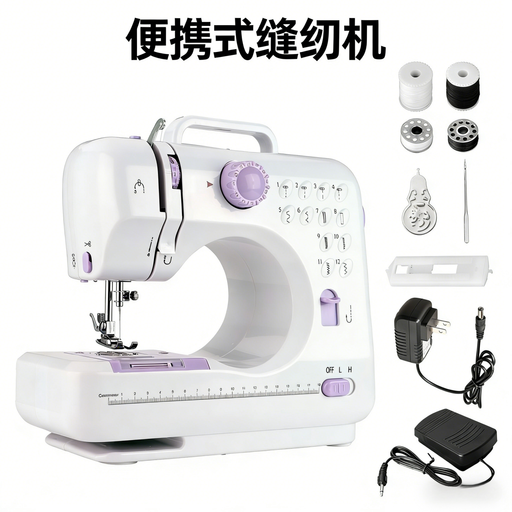
IAGREEA Mini Portable Sewing Machine, 12 Stitches, Purple
This compact option is described for basic seams and offers forward and reverse sewing for small craft projects.
The product name specifies 12 stitches, dual power and an LED light. Before choosing it for scrunchies, confirm whether stitch length is adjustable and an all-purpose foot is supplied; also check guidance for your fabric and intended sewing sessions.
View on Joybuy
 No image available
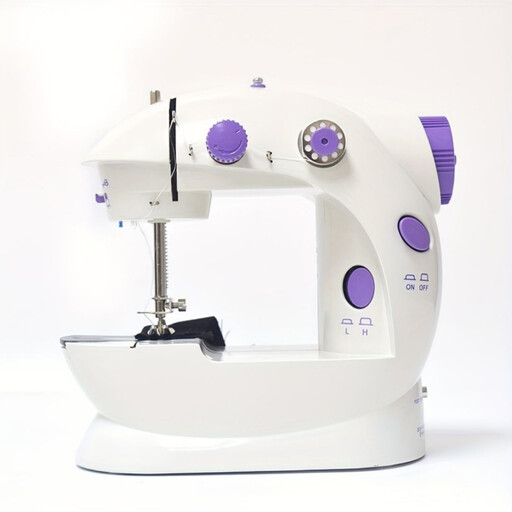
IAGREEA Portable Mechanical Sewing Machine with Pedal, 6V 1A
This portable machine is described for basic household sewing, so check whether its controls suit the scrunchie seam you want to make.
The product name specifies pedal operation, battery or plug-in power and four AA batteries for battery use. Its stitch width and length are fixed, and it has no backstitch function; check how you would secure the seam and whether a suitable foot is supplied.
View on Joybuy
Frequently asked questions
Do I need an overlocker to sew hair scrunchies?
No. Treasurie’s standard scrunchie method uses a regular sewing machine and an all-purpose foot to stitch the long edge of the fabric before turning the tube and adding elastic.
Which features should I check for my first scrunchie machine?
Start with a basic straight stitch, adjustable stitch length, an all-purpose foot and a way to secure the seam. A manual you can follow also matters when you are learning to set up the machine.
Is a speed controller necessary for making scrunchies?
No, but it may be useful if you want to limit the machine’s speed while learning or sewing repeatedly. Janome lists a maximum speed controller on the 230DC; check the controls on the exact model you are considering.
What should I check when buying an electric sewing machine?
Check the product documentation, supplied power arrangement and instructions, then inspect the machine and plug on arrival. The UK Office for Product Safety and Standards publishes electrical-equipment guidance for Great Britain; if you are buying for use in Northern Ireland, check the guidance applicable there rather than assuming the Great Britain position is identical.


