First-time pillowcase maker
If you are learning straight seams and hems on ordinary cotton, simple controls may matter more than a long stitch menu. John Lewis & Partners recommends starting with a simple machine for new sewers.


For ordinary cotton pillowcases, start with a domestic machine that offers a straight stitch, adjustable stitch length and instructions you can follow; a basic mechanical model can be enough. An automatic needle threader or adjustable presser-foot pressure becomes more useful if you expect varied fabrics or frequent sewing, while a heavy-duty model is worth considering for thicker trims and layered projects rather than a plain cotton pillowcase alone.
If you are learning straight seams and hems on ordinary cotton, simple controls may matter more than a long stitch menu. John Lewis & Partners recommends starting with a simple machine for new sewers.
If pillowcases are the start of curtains, repairs or other household projects, easier threading and more control over fabric handling may be useful. Check those features on the exact model rather than assuming they come with every machine in a range.
If you plan to add piping or thick trims, consider how the machine handles the fabric and seam layers you intend to sew. Manufacturer descriptions of heavy-duty machines apply to particular models and do not establish suitability for every fabric and construction.
Start with the seams and fabric you intend to sew, then decide whether easier setup, extra adjustment or a machine intended for heavier work would serve your next projects.
| Concern | What to check | Who this matters to |
|---|---|---|
| Simple setup and secure seams | Check for a straight stitch, adjustable stitch length and a stated way to secure seam ends. Look at the instructions for threading the exact model. | If I am learning on ordinary cotton, I want to set up the machine and finish straight seams without fuss; around 36% of consumers put simple setup and secure seams first. |
| Fabric control and neat finishing | Check stitch-length adjustment and, if you plan to change fabric weights, whether presser-foot pressure is adjustable. | When I move between fabrics or want tidy hems, I need enough control to adjust the stitch and test the result. Fabric control is the leading concern for around 29% of consumers. |
| Repeated work and thicker layers | For piping or heavier furnishing fabric, check the exact model’s stated fabric capability and needle guidance; test the intended layers on offcuts. | If I expect to sew batches of pillowcases or cross several trimmed seams, I need to know how the machine handles those layers. Around 21% of consumers prioritise repeated or layered work. |
| Storage and ongoing support | Check the machine’s weight and storage arrangement, the availability of its manual and the seller’s support route. | If I will sew only occasionally, I want a machine I can store and get help with when needed; around 14% of consumers place practical ownership first. |
A heavy-duty machine is intended for more demanding work, but ordinary cotton pillowcases chiefly need straight seams and hems. Extra construction features do not, by themselves, make those basic seams easier to sew.
Consider this route if your plans include heavier furnishing fabric, piping or dense trims. Otherwise, compare setup, stitch controls and the instructions you will use.
More stitch choices do not tell you whether your chosen needle, thread and fabric layers will produce the seam you want.
Check the straight-stitch controls and the manual for the exact model, then try the intended seam on an offcut before sewing the finished panels.
A machine’s appearance does not establish that its supplied mains connection or documentation is suitable for where you will use it.
Before ordering, check the listing’s intended market, lead and plug compatibility, documentation, seller identity and warranty route. Requirements and marking arrangements can differ between Great Britain and Northern Ireland.
Janome UK & Ireland offers domestic machines ranging from basic mechanical models to more adjustable options.
Brother’s HF37 is a domestic heavy-duty option to examine if pillowcases will lead to thicker home-furnishing projects.
SINGER has a simple mechanical option as well as a Heavy Duty model for buyers considering a wider mix of projects.
These compact IAGREEA machines are options to examine for straightforward sewing. Before choosing one for pillowcases, check its seam controls against your fabric and confirm that the supplied electrical version suits where you will use it.
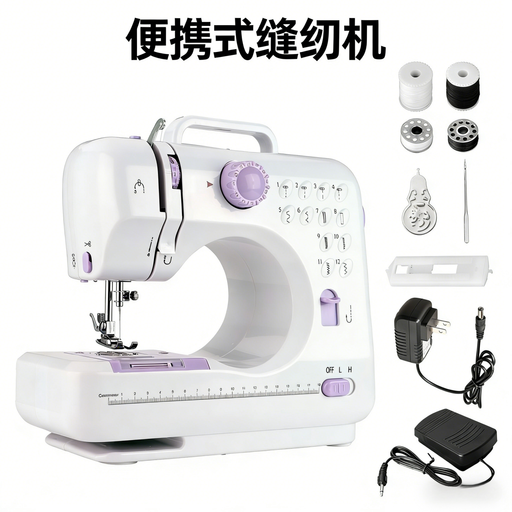 No image available
A compact option to examine if you are learning to sew basic pillowcase seams and hems.
The product name lists 12 stitches, dual power and an LED light. Check the exact model’s stitch-length controls and instructions before relying on it for your planned seams; also confirm the supplied mains connection suits your location.
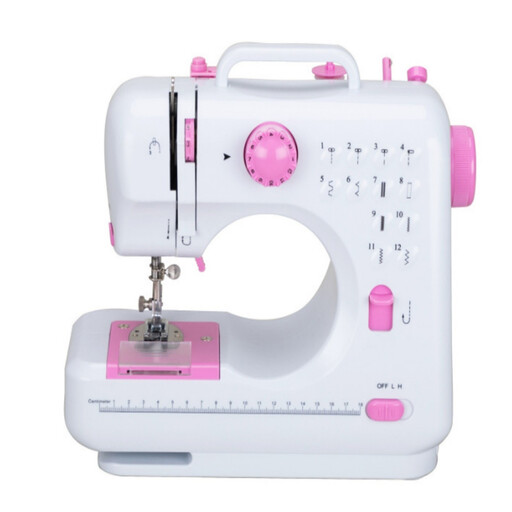 No image available
A compact option to consider for simple home sewing and pillowcase hems.
The product name lists 12 stitches, dual power and an LED light. Check the manual for stitch-length adjustment and a way to secure seam ends, and confirm the supplied mains connection suits your location.
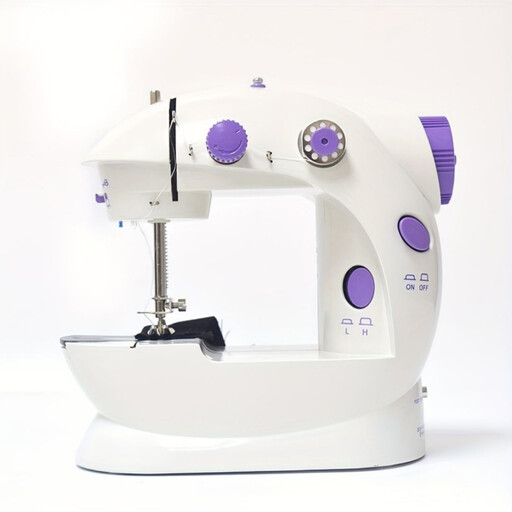 No image available
A compact machine to consider for basic sewing if you can work within its stitch-control limits.
The product name specifies battery or plug-in power using 4 AA batteries, a pedal, thread shuttle cores, a spare needle and a threading device. Its stated fixed stitch length and width, and lack of backstitch, limit adjustment and seam-securing options; check how you would finish your pillowcase seams and confirm the supplied mains connection suits your location.
Not for an ordinary cotton pillowcase: a basic machine with the straight-stitch controls you need can handle the seams and hems. Consider a model intended for heavier work if you regularly plan to sew thick furnishing fabrics, piping or layered trims, and check its guidance against your actual materials.
Start with a straight stitch, adjustable stitch length and instructions you can follow for threading and securing seams. A work light or automatic needle threader may make setup more convenient, but neither replaces a suitable stitch setup for your fabric.
Follow the manual for your exact model, choose a needle and thread suitable for the fabric, and test the intended seam on an offcut before sewing the finished panels. For cleaning or oiling, follow that model’s instructions rather than assuming it needs user-applied oil.
Check the seller’s warranty terms, the manual and consumables available for the exact model, and who handles warranty work. Janome UK & Ireland directs customers to a local Janome retailer for warranty work on the 423S; check the relevant arrangement for any other machine separately.
Check the exact version offered, its supplied lead and plug, power information and documentation before ordering; do not infer compatibility from a photograph. Great Britain and Northern Ireland have different electrical-product arrangements, so confirm the listing is intended for the place where you will use the machine.