
24/7 Customer Support

Free returns

Same-day & Next-day Delivery

Quality Guaranteed

Unlock Your Welcome Offers: FREE Delivery | Up to 80% OFF | Free 30-day JoyPlus trial
Download the APP
Whether you are mending a favourite shirt, starting a dressmaking hobby or simply organising your craft corner, the right sewing supplies can make all the difference. However, the market is flooded with options that look appealing but fail to deliver on quality. Many shoppers find themselves with blunt scissors, snapping thread and flimsy storage that falls apart.
As the Joybuy Product Recommendation Officer, my role is to help you navigate these choices. This guide will highlight common purchasing pitfalls and break down the essential features to look for, ensuring you invest in tools that are both functional and durable.
Before adding anything to your basket, be aware of these frequent traps that lead to wasted money and frustration.
To ensure your new sewing accessories are up to the task, focus on these key parameters. Analysing these details will help you build a reliable collection of haberdashery.
The performance of your tools comes down to the materials they are made from.
Effective storage is about more than just looks. When choosing a sewing box or basket, check for:
For items like a sewing machine cover or a travel sewing kit, size is critical.
We have matched some practical options to different user needs, helping you find the right fit for your sewing projects.
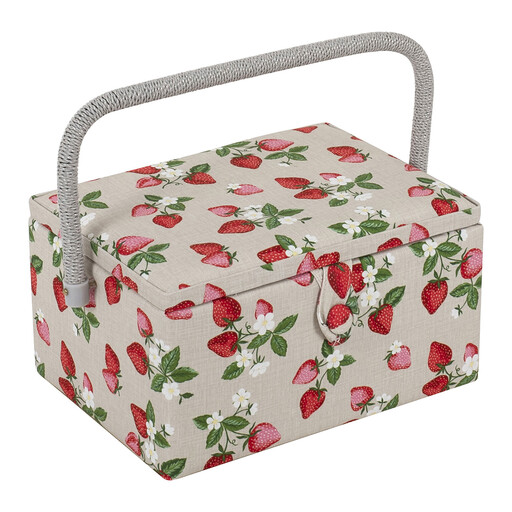
Why This Fits Their Persona: Ideal for the sewist whose collection of threads and tools is growing. It keeps everything tidy for home use and is portable enough with its durable handle to take to sewing classes or retreats.
This sewing box counters the "style over substance" trap by combining a charming exterior with a sturdy frame, a secure latch and a practical transparent accessories tray for organising small items.
The spacious main compartment and dedicated tray provide excellent organisation. Its compact but functional design makes it a practical centrepiece for any craft space.
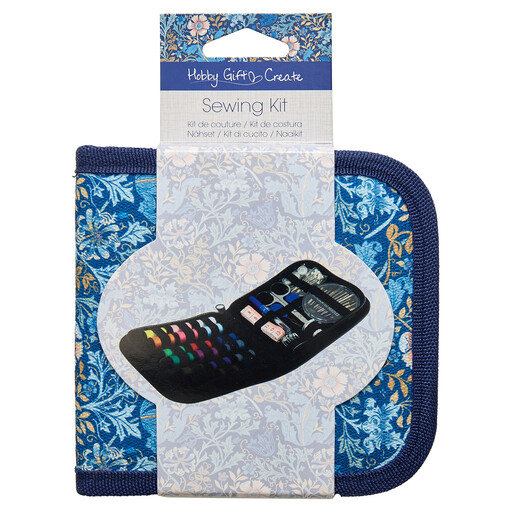
Why This Fits Their Persona: Perfect for students, travellers or anyone needing a compact solution for quick repairs. This travel sewing kit fits easily into a suitcase, car glovebox or desk drawer for any mending emergency.
It avoids the "all-in-one" illusion by providing a curated selection of genuinely useful tools, including 30 needles, a seam ripper and a tape measure, all housed in a secure, zippered case.
Its comprehensive contents and extremely compact size (12.5 x 12 cm) make it highly practical. The zippered 100% cotton case keeps everything organised and protected.
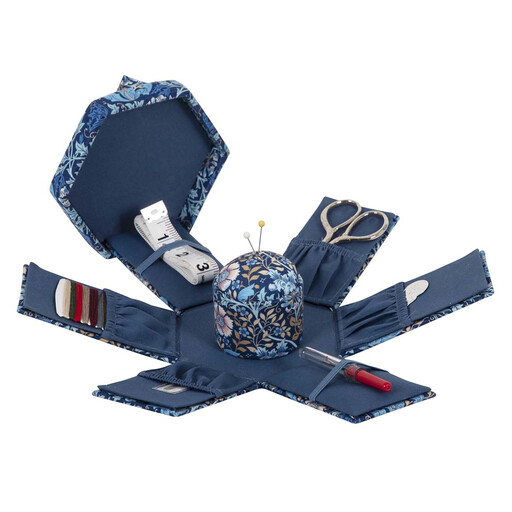
Why This Fits Their Persona: An excellent choice when looking for **sewing gifts**. Its charming Victorian-inspired floral print and unique hexagonal shape make it a beautiful decorative item that is also a functional starter kit for a new hobbyist.
This kit balances style with utility. While highly decorative, it contains a core set of essential tools for basic repairs, avoiding the trap of being a purely ornamental item with no practical value.
Its unique design and compact size make it a standout gift. The included tools are suitable for everyday mending, making it both beautiful and useful from day one.
We have compiled a complete, real-time list of products that fully satisfy these strict selection criteria and UK safety regulations.
A solid beginner's kit should contain more than just a few threads and needles. Look for one that includes a good pair of small scissors, a tape measure, a seam ripper (for correcting mistakes), a thimble, a needle threader and a selection of all-purpose polyester threads in basic colours like black, white and navy.
A sewing box is typically made of wood or rigid plastic and offers excellent protection and organisation with structured compartments. They are ideal for home use. A sewing basket is often lighter, made from wicker or fabric-covered board, and can be more decorative. They are a great choice for storing a moderate amount of supplies and for those who value a traditional aesthetic. Your choice depends on whether you prioritise robust protection or lightweight portability and style.
Proper care extends the life of your tools. Keep scissors sharp by using them only on fabric and wipe them clean after use. Store needles and pins in a pin cushion or magnetic holder to prevent rust and keep them from getting lost. Protect your thread from dust and sunlight, which can weaken the fibres over time, by keeping it in a covered sewing box.