What matters when choosing?
For a school book-sleeve project, decide whether your main concern is getting started, supervised operation or working with padded layers. Check the features that serve that need before comparing stitch totals.
| Concern |
What to check when buying |
Who this matters to |
| First setup and basic seams |
Check threading and bobbin instructions, straight stitch, a way to secure seam ends and whether stitch length can be adjusted. |
If this is my first sleeve, I want to set up the machine and sew its seams without learning a long list of controls. Around 40% of consumers would put manageable setup and basic seams first. |
| Supervised school use |
Check the pedal or speed controls, cable condition and workspace, and agree who will supervise setup and needle changes. |
When I am learning at school, I need a pace I can control and an adult to help me follow safe procedures. For around 30% of consumers, supervised operation would be the primary concern. |
| Padded or repeated sleeves |
List the outer fabric, lining and padding; check the exact model’s presser-foot clearance and needle guidance for those layers. |
If I plan to add wadding or make several sleeves, I need to know how the machine handles my chosen materials. Roughly 30% of consumers would prioritise layered or repeated work. |
Brands to consider
These brands provide examples of different beginner-oriented machines; the features below belong to the named models, not every machine from each brand.
Singer
The mechanical Singer Start 1306 is a reference point for a first, uncomplicated sleeve project.
- Singer lists six built-in stitches, a large stitch-selection dial and an extra-high presser-foot lift on the Start 1306.
- Its stitch width and length are pre-set, and its buttonhole uses four steps; check whether those controls suit any projects you plan beyond the sleeve.
Janome
Janome has documented mechanical and computerised models with different setup and speed controls.
- Janome lists a needle threader, drop-in bobbin, extra-high presser-foot lift and adjustable foot pressure for the Sewist 725S. Its computerised 230DC lists a maximum-speed controller.
- Those controls vary by model. Decide which ones address your learner’s needs rather than assuming the same features across Janome machines.
Brother
Brother presents machines such as the LX17 and L14S as beginner-oriented options, alongside computerised models with additional controls.
- The range gives you a choice between simpler operation and models with more functions for later projects.
- Check the exact model’s controls, accessories and guidance for your fabric layers; beginner positioning does not establish suitability for a particular padded sleeve.
Joybuy sewing machines to assess
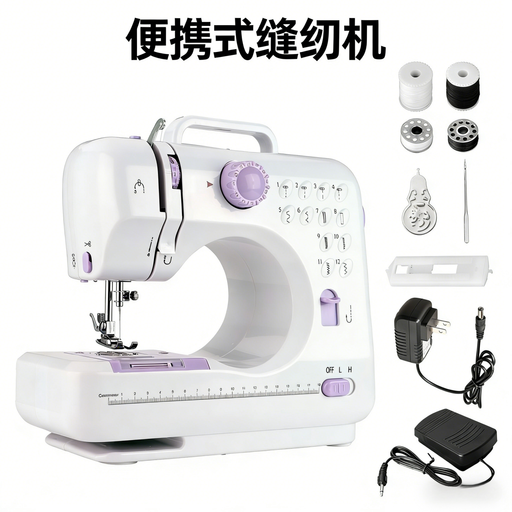
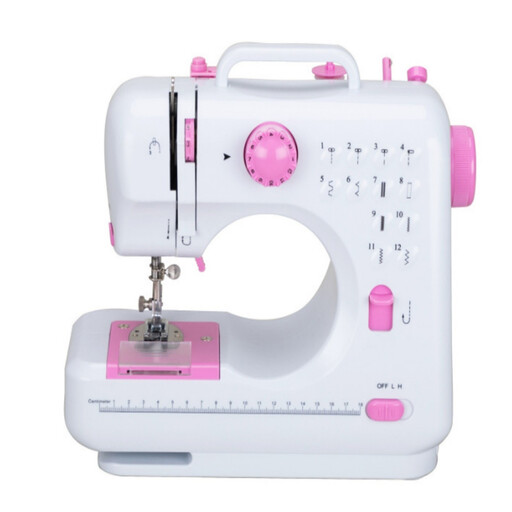
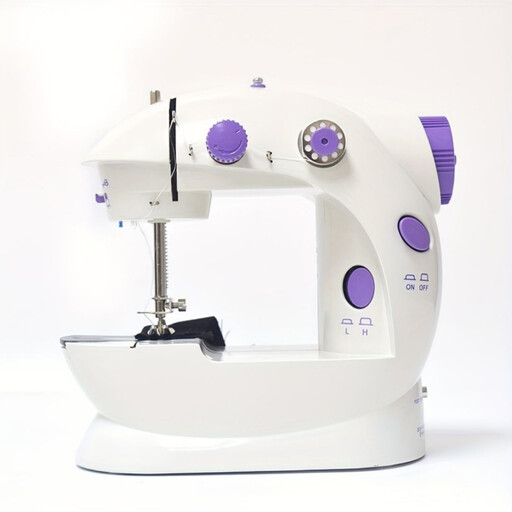
These compact IAGREEA machines are relevant to assessing basic seams for a book-sleeve project. Compare their controls and the planned fabric layers carefully: the three listings do not establish the same seam-finishing options.
 No image available
IAGREEA Mini Portable Electric Sewing Machine, 12 Stitches, Purple
Consider this version if you want a compact machine for basic sleeve seams, but check its controls against your project before ordering.
The title lists 12 stitches, dual-power operation and an LED light. Confirm the supplied pedal or other controls, whether stitch length is adjustable, and the guidance for your fabric layers.
View on Joybuy
 No image available
IAGREEA Mini Portable Electric Sewing Machine, 12 Stitches, Pink
This pink version is another compact option to assess for straightforward craft sewing, provided its seam controls suit the sleeve you plan.
The title lists 12 stitches, dual-power operation and an LED light. Check whether the exact model offers reverse stitching, a pedal and adjustable stitch length, and whether it is suitable for your chosen layers.
View on Joybuy
 No image available
IAGREEA Portable Mechanical Sewing Machine with Pedal, 6V 1A
This is a simpler machine to consider for a basic seam, but decide how you will secure the sleeve’s seam ends before choosing it.
The title lists pedal operation, battery or plug-in power using 4AA batteries, and included thread shuttle cores, a spare needle and a threading device. The listing specifies fixed stitch width and length and no backstitch function. Check material-layer guidance; the listing also says it is not for use by children under 8.
View on Joybuy
Questions about sewing book sleeves
Do I need a computerised machine for a school-project book sleeve?
No: for a first sleeve in light-to-medium fabric, a straightforward mechanical machine can be an appropriate starting point. Consider a computerised model if controls such as a maximum-speed setting meet a specific learning need or you expect to use its additional functions for later projects.
What should a learner practise before sewing the sleeve?
Practise controlling the machine’s speed before starting the fabric project. The Design and Technology Association’s primary-school model risk assessment advises initial speed-control practice without a needle for responsible Key Stage 2 pupils under close adult supervision; follow the arrangements for your own school and learner.
What should I do before changing a needle?
Switch off the machine’s power before changing a needle or making adjustments. The Health and Safety Executive also advises keeping feet off the treadle while threading or changing needles.
Can a beginner machine sew a padded book sleeve?
Possibly, but suitability depends on the outer fabric, lining, padding and seams together. Check the exact machine’s material and needle guidance; extra presser-foot lift can help you position bulkier layers, but does not guarantee that the machine will sew them.
What should I compare between listings of the same machine?
Compare the full model and variant name, included controls and accessories, UK mains suitability, warranty route and the seller’s return terms. A shared brand or similar-looking machine does not establish that the supplied versions are identical.


