
24/7 Customer Support

Free returns

Same-day & Next-day Delivery

Quality Guaranteed

Unlock Your Welcome Offers: FREE Delivery | Up to 80% OFF | Free 30-day JoyPlus trial
Download the APP
Choosing shampoo can seem straightforward until a formula leaves your hair dry, your scalp uncomfortable or your colour looking dull. UK shoppers often pay more for persuasive claims without checking whether the product suits their actual hair type and washing routine.
The most useful approach is to look beyond fragrance and packaging. Compare the cleansing system, relevant ingredients, bottle size and any warnings before adding a shampoo to your basket.
A sulphate-free shampoo may feel milder for some users, but it can still contain fragrance, essential oils, menthol or other ingredients that do not suit every sensitive scalp. Conversely, a stronger cleanser may be useful for oily roots or heavy styling-product build-up but uncomfortable for dry or chemically treated hair.
Read the full ingredient list rather than relying only on front-label descriptions. If you have a history of reactions, patch testing and professional advice may be sensible.
A damage repair shampoo can help hair feel smoother, more conditioned and easier to detangle. However, shampoo is rinsed away and cannot replace careful heat styling, regular conditioning or trimming of split ends. Look for practical ingredients such as panthenol, glycerin, conditioning polymers or peptide-based ingredients, while keeping expectations realistic.
A 930ml or 1,000ml bottle may offer convenience for a household or salon, but it takes longer to use and needs suitable storage. A smaller 250ml or 300ml bottle may be more practical if you are trying a new formula, travelling between a home and university accommodation or washing infrequently.
Check the packaging for the opening-period guidance, batch information and storage instructions. Keep shampoo sealed, away from excessive heat and out of direct sunlight.
For frequent washing, look for a formula described as mild, pH-balanced or designed for daily use. A pH-balanced shampoo may be preferable when you want a routine focused on scalp comfort, although the phrase alone does not guarantee that every ingredient will suit you.
If your main concern is residue from dry shampoo, hairspray, gels or hard-water exposure, a clarifying shampoo or detox shampoo may be more appropriate occasionally. Deep-cleansing formulas should not automatically replace everyday shampoo, particularly if your hair is dry, curly or colour-treated.
For visible dandruff, an anti-dandruff shampoo containing a recognised active ingredient such as piroctone olamine may be worth considering. Follow the label directions, including any recommended contact time. Persistent flaking, soreness or itching should be discussed with a pharmacist, GP or other appropriate healthcare professional.
A sulphate-free shampoo avoids certain sulphate cleansing agents, while a silicone-free shampoo avoids silicone-based conditioning ingredients. Neither label automatically means a product is hypoallergenic, fragrance-free or suitable for all hair.
Those with curly, coily or wavy textures may prefer a moisturising cleanser that limits excessive stripping. People with fine hair may find rich conditioning systems weigh hair down. For colour-treated hair, choose a colour-safe shampoo and use lukewarm rather than very hot water where possible.
A bond maintenance shampoo is designed for routines involving chemically treated, bleached or fragile hair. A hair strengthening shampoo may be selected when breakage and manageability are concerns, but conditioner or a mask remains important for lengths and ends.
For natural textures, a curly hair shampoo should cleanse the scalp while preserving enough slip and moisture for detangling. A volumising shampoo generally focuses on a lighter feel at the roots, whereas dry or coarse hair may need a more nourishing formula. If vegan purchasing matters to you, check the product’s current packaging and listing rather than assuming that botanical ingredients alone confirm vegan status.
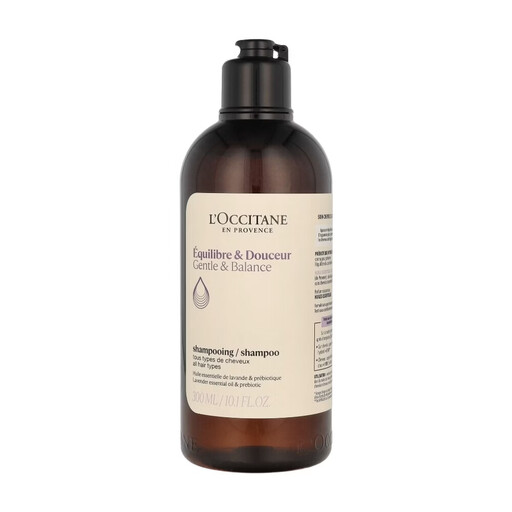
Why This Fits Their Persona: A 300ml everyday option for shoppers wanting a silicone-free and sulphate-free shampoo without committing to a salon-size bottle.
Its ingredient list makes the cleansing approach clearer, helping shoppers look beyond vague “gentle” wording. Fragrance and essential oils are present, so sensitive users should check suitability first.
Sulphate-free and silicone-free formula; includes panthenol and a prebiotic sugar complex.
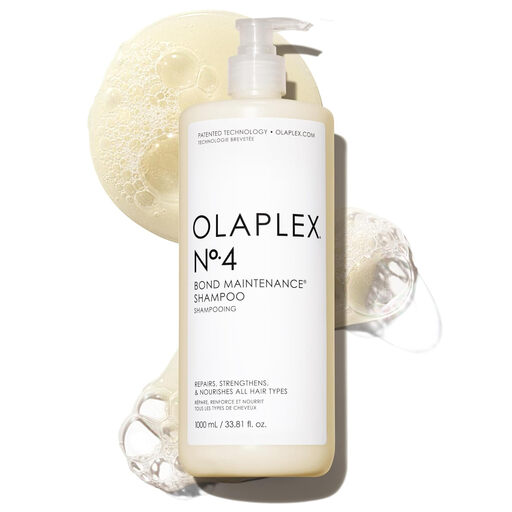
Why This Fits Their Persona: The large format suits households, salon customers and regular users of colour or chemical treatments who want one established routine.
The concentrated format makes dose control important, reducing the temptation to use excessive product. Confirm the current packaging ingredients before purchase.
1,000ml capacity; listed as colour-safe and suitable for curly, coily, straight and wavy hair.
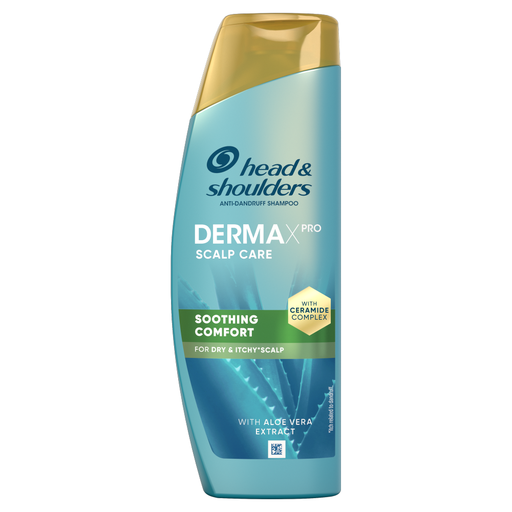
Why This Fits Their Persona: Designed for shoppers prioritising a dedicated anti-dandruff shampoo for dry or itchy scalp concerns.
It identifies piroctone olamine as an active ingredient rather than relying only on “soothing” language. Follow the label and stop if irritation develops.
300ml bottle; includes aloe vera, vitamin E and cactus extract in the listed formula.
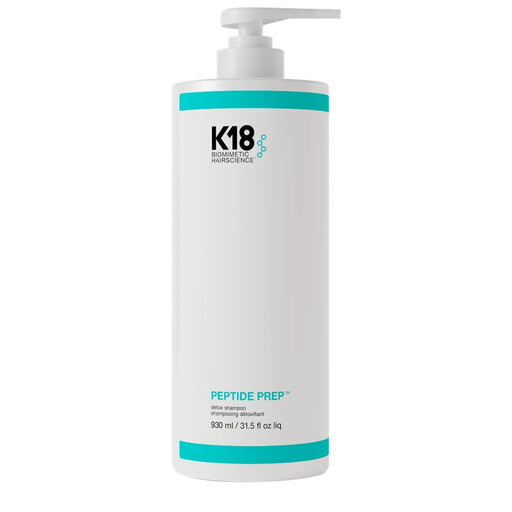
Why This Fits Their Persona: A large-format choice for users dealing with frequent styling products, excess oil or build-up and wanting an occasional deep-clean step.
Charcoal powder and salicylic acid are clearly listed for a detox-oriented routine, but the formula should not automatically replace a gentler daily shampoo.
930ml size; contains panthenol, glycerin and sh-Oligopeptide-78 alongside cleansing ingredients.
We have compiled a complete, real-time list of products that fully satisfy these strict selection criteria and UK safety regulations.
There is no universal schedule. Oily scalps, regular exercise and heavy styling may require more frequent washing, while dry, curly or coily hair may need less. Adjust according to scalp comfort, visible oil and product build-up rather than following a fixed marketing recommendation.
A 250ml to 300ml bottle may last several weeks or longer, depending on hair length, thickness and washing frequency. A 930ml or 1,000ml bottle is more economical in practical terms for regular household use, but only if the formula suits everyone using it and it is stored correctly.