
24/7 Customer Support

Free returns

Same-day & Next-day Delivery

Quality Guaranteed

Unlock Your Welcome Offers: FREE Delivery | Up to 80% OFF | Free 30-day JoyPlus trial
Download the APP
Choosing shampoo is less about picking the most attractive bottle and more about matching the formula to your scalp, hair texture and styling routine. A product designed for fine hair may leave thick, dry hair feeling under-conditioned, while a rich shampoo for damaged hair can flatten delicate roots.
This guide from the Joybuy Product Recommendation Officer highlights common buying traps, the specifications worth checking and practical options for different UK hair-care needs.
Terms such as “repair”, “volume”, “smooth” and “detox” describe the intended cosmetic effect, not a guarantee that every hair type will respond identically. A shampoo for damaged hair may help hair feel smoother and easier to detangle, but it cannot reverse every source of damage.
Check whether the claim applies to the shampoo alone or to a full routine containing conditioner, treatments or styling products. Results presented as percentages may also be based on brand testing or comparisons with a standard product. According to the relevant brand’s own research, such figures may apply only under specific test conditions.
A vegan shampoo does not automatically mean fragrance-free, hypoallergenic or suitable for a sensitive scalp. Similarly, silicone-free shampoo may suit shoppers who prefer a lighter-feeling finish, but it is not automatically more nourishing.
Always check the current ingredient list on the packaging. In the UK, cosmetic products should provide ingredients and usage warnings, and formulas can change between production batches or markets.
A 500ml or 930ml bottle can offer more product, but it may not be practical for a small shower or occasional use. A large bottle can also be unsuitable if you want to alternate between a daily shampoo, a purple shampoo and a moisturising shampoo.
Compare the net content, intended frequency of use and formula suitability rather than judging value by size alone.
Start with your main concern:
Surfactants create lather and lift oil, dirt and styling residue. Some shoppers prefer a sulphate-free shampoo, while others value a stronger cleanse after heavy styling-product use.
“Sulphate-free” does not necessarily mean non-cleansing, and a richly lathering shampoo is not automatically harsh. Look at the full formula and consider how often you wash. A daily shampoo should feel comfortable for your usual routine, while a more conditioning formula may be useful when hair feels dry or rough.
If ethical or environmental criteria matter, check for clearly stated features such as:
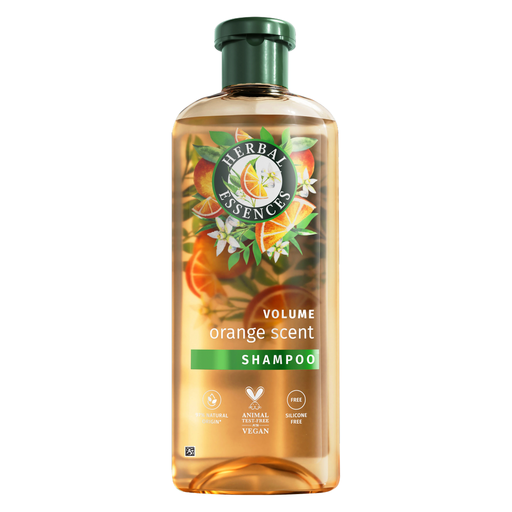
Why This Fits Their Persona: A practical starting point for UK shoppers with fine or flat hair who want a lighter everyday formula and a 250ml format.
The silicone-free description makes the formula choice clear, helping shoppers avoid buying a richer product that may feel heavy on fine hair.
Vegan and silicone-free formula; described as colour-safe and suitable for daily use.
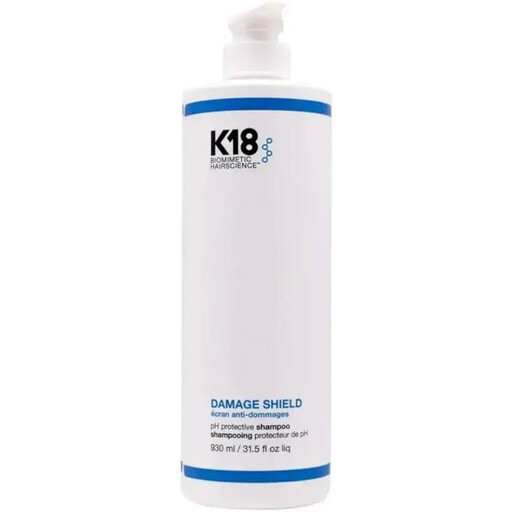
Why This Fits Their Persona: The 930ml size suits shoppers who wash regularly and prefer a maintenance shampoo for damaged hair over frequent repurchasing.
Its listed 930ml capacity makes the long-term value easier to assess than choosing solely from premium positioning.
Contains sh-oligopeptide-78 and panthenol; designed for mild cleansing and reducing the feel of frizz.
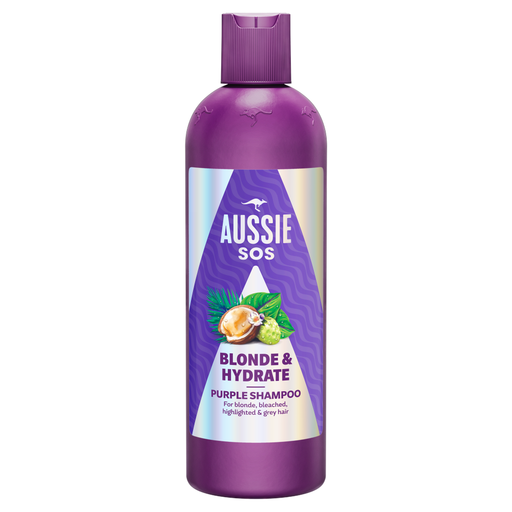
Why This Fits Their Persona: Suitable for shoppers maintaining bleached, highlighted, blonde or grey hair who specifically want a toning wash.
The directions specify leaving the product on for 3 to 5 minutes, making it easier to control toning rather than treating it as an ordinary daily shampoo.
Violet pigments are included for reducing the appearance of brassy tones; the formula is described as vegan.
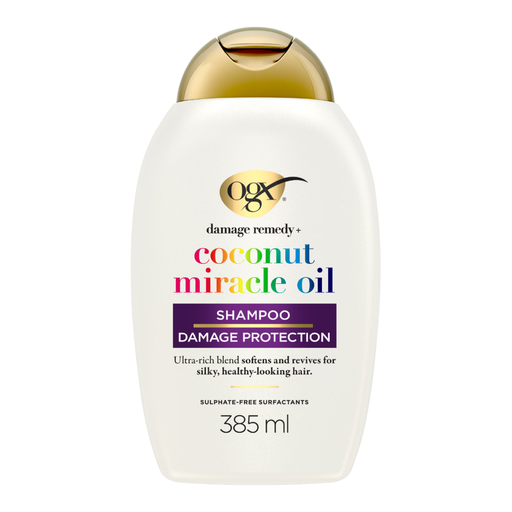
Why This Fits Their Persona: A richer option for thick, coarse, dry or frizzy hair that needs a more conditioning wash after styling or exposure to dry weather.
The product is clearly positioned for dry, damaged and frizzy hair, reducing the risk of using a lightweight volumising formula on coarse strands.
Contains coconut oil and glycerin; uses sulphate-free surfactants according to the listed product description.
Apply shampoo mainly to the scalp and allow the lather to pass through the lengths as you rinse. Use lukewarm rather than very hot water, and rinse thoroughly so residue does not remain around the roots.
For purple shampoo, follow the timing on the bottle and rinse the shower area promptly because violet pigments may stain light surfaces. Pair a shampoo for curly hair or damaged hair with a suitable conditioner, especially if the lengths feel rough after washing.
We have compiled a complete, real-time list of products that fully satisfy these strict selection criteria and UK safety regulations.
There is no single schedule for every scalp. Fine or oily hair may need more frequent washing, while dry, curly or textured hair may be washed less often. Choose a daily shampoo only if your scalp and hair feel comfortable with regular cleansing.
It depends on the product instructions and your hair’s response. Many purple shampoos are better alternated with a regular colour-safe shampoo to reduce the risk of over-toning or dryness. Follow the recommended contact time.
Price alone does not determine suitability. Compare the ingredient list, net content, formula requirements and whether you will use the product consistently. A larger bottle may offer convenience, while a smaller bottle can be more practical for testing a new formula.