
24/7 Customer Support

Free returns

Same-day & Next-day Delivery

Quality Guaranteed

Unlock Your Welcome Offers: FREE Delivery | Up to 80% OFF | Free 30-day JoyPlus trial
Download the APP
Choosing shampoo can seem straightforward until you are faced with claims about hydration, repair, volume, colour protection and “salon-quality” results. The right formula depends less on eye-catching packaging and more on your hair texture, scalp condition, washing routine and the ingredients you want to use.
Whether you need a shampoo for dry and damaged hair or a formula for a specific concern, the right choice depends on your hair and scalp needs.
A premium price does not automatically mean a shampoo will suit your scalp or hair texture. Some salon-quality products are concentrated, while others are designed for occasional specialist use rather than daily washing. Compare the bottle size, surfactants, conditioning ingredients and intended use instead of relying on price or branding.
Shampoo is rinsed away, so it mainly cleanses the scalp and deposits conditioning ingredients on the hair surface. Bond repair shampoo may contain ingredients positioned for damaged or chemically treated hair, but results vary with hair condition and routine. Look for clear ingredient information and pair shampoo with a conditioner or treatment where needed.
Purple shampoo for blonde hair is designed to tone unwanted yellow or brassy-looking hues. It is not a general replacement for hydrating shampoo. Similarly, shampoo for brunette hair may enhance shine or tonal depth without depositing colour. Using a purple formula too frequently may leave hair feeling dry or create an unwanted tone, so follow the product directions.
Start with the main issue:
Check the ingredient list rather than relying only on front-of-pack wording. Common cleansing agents include sodium laureth sulfate, sodium lauryl sulfate, olefin sulfonates, glucosides and isethionates. A sulphate-free shampoo may still provide thorough cleansing through other surfactants.
Sulphates are not automatically unsuitable, but they can feel too strong for some dry, curly or colour-treated hair. If you wash frequently, use heat styling or have bleached hair, consider whether a gentler cleanser would better fit your routine.
Shampoo is commonly sold in 250ml, 300ml, 400ml, 500ml and 1000ml sizes. A 250ml bottle can be practical for trying a formula or travelling, while a 500ml or 1000ml bottle may suit households or frequent users. Compare the price per 100ml, not just the ticket price.
Large bottles can offer convenience, but check whether the pump is included, whether you have suitable bathroom storage and whether the formula remains within its recommended period after opening. Always follow the packaging instructions and keep shampoo away from the eyes.
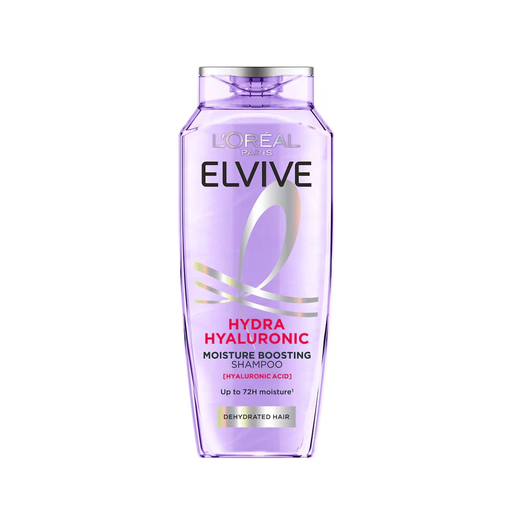
Why This Fits Their Persona: A practical 400ml option for shoppers wanting everyday hydration across straight, wavy, curly or coily hair without moving immediately to a large salon-size bottle.
Its ingredient list clearly includes sodium hyaluronate and conditioning agents, so the hydration focus is easier to assess than a vague “moisture” claim.
400ml size; contains hyaluronic-acid-derived sodium hyaluronate and silicone-based conditioning ingredients.
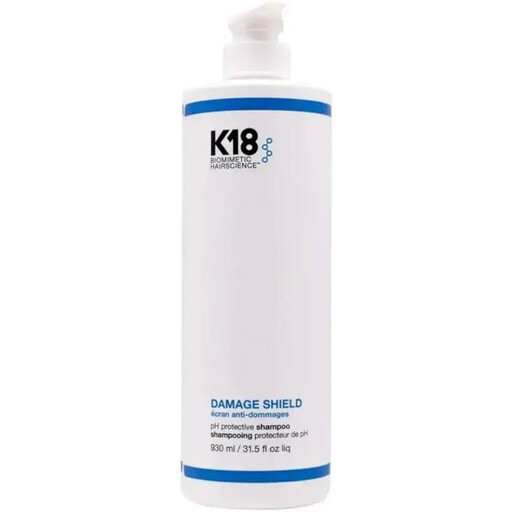
Why This Fits Their Persona: The 930ml format suits frequent washers, shared bathrooms and shoppers who prefer a long-term salon-style haircare supply.
The product details specify mild cleansing, oligopeptide and panthenol, rather than relying only on a broad damage-repair headline.
930ml capacity; includes sh-oligopeptide-78, panthenol and glycerin in the listed formula.
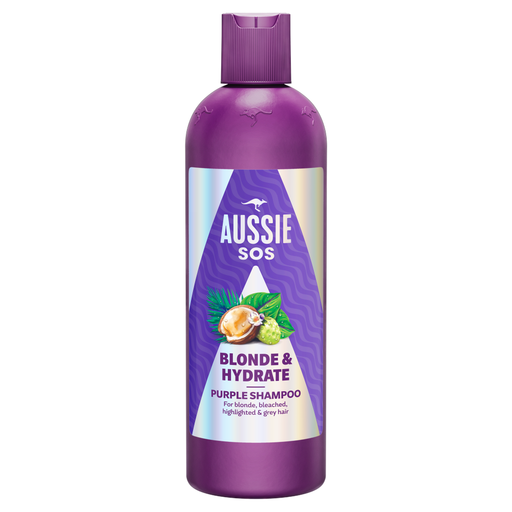
Why This Fits Their Persona: Designed for bleached, highlighted, blonde, platinum or grey hair where managing brassy-looking tones is a specific concern.
The directions state a 3–5 minute contact time, helping users control toning rather than leaving purple pigment on indefinitely.
300ml size; contains CI 60730 purple pigment and Australian wild plum and manuka leaf references in the product description.
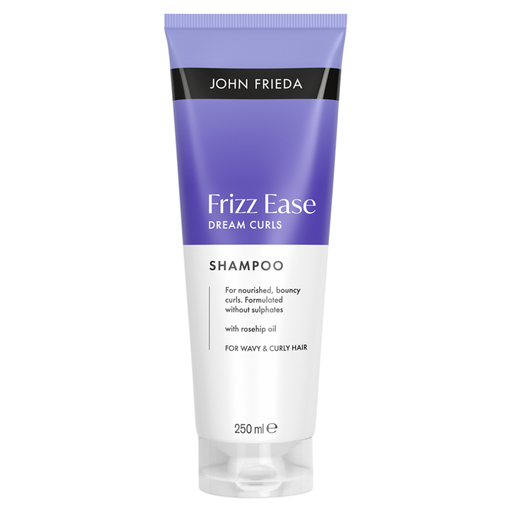
Why This Fits Their Persona: A targeted choice for people with curly or wavy hair who want a vegan, colour-safe and sulphate-free shampoo in a manageable 250ml bottle.
The product description identifies it as free from SLS/SLES and suitable for colour-treated hair, making its intended use clearer.
Rosehip oil is listed; 250ml formula is described as vegan, colour-safe and sulphate-free.
We have compiled a complete, real-time list of products that fully satisfy these strict selection criteria and UK safety regulations.
Wet the scalp and hair thoroughly before applying a modest amount. Massage mainly into the scalp, where oil and product residue collect, then allow the lather to pass through the lengths while rinsing. Very dry or curly hair may not need shampooing every day, whereas oily scalps or heavy styling routines may require more frequent cleansing.
Use purple shampoo according to its instructions and rinse the shower area promptly, as purple pigments may temporarily stain light surfaces. Follow with conditioner on the mid-lengths and ends, particularly after using a toning, clarifying or bond repair shampoo.
There is no single schedule for everyone. Oily scalps, regular exercise and styling-product use may require frequent washing. Dry, curly or coily hair may feel more comfortable with longer intervals. Adjust based on scalp oil, comfort, build-up and how your hair behaves after drying.
It can be a suitable option for some colour-treated hair because many sulphate-free formulas use alternative cleansing agents. However, “sulphate-free” does not guarantee hydration or colour retention. Check the full ingredient list and choose a formula that also matches your hair texture and scalp needs.
A 250ml bottle may suit occasional use or a trial period, while 400ml and 500ml sizes generally provide more product for regular household use. A 1000ml bottle can be practical for frequent users, but the lifespan depends on hair length, washing frequency and the amount used each time. Comparing price per 100ml gives a clearer view of value.