
24/7 Customer Support

Free returns

Same-day & Next-day Delivery

Quality Guaranteed

Unlock Your Welcome Offers: FREE Delivery | Up to 80% OFF | Free 30-day JoyPlus trial
Download the APP
Choosing shampoo is less straightforward than picking a fragrance or bottle size. A formula designed for bleached hair may feel too cleansing for a dry scalp, while a rich shampoo for dry hair can leave fine hair flat. Dog owners also need a separate product: human shampoo is not an appropriate substitute for puppy or dog grooming.
This guide from the Joybuy Product Recommendation Officer explains what to check before buying, how to avoid common marketing traps and which formulas suit different UK households.
Terms such as bond repair, “strengthening” and “damage reversal” are often used to describe how hair looks and feels after washing. Shampoo can help cleanse, condition and improve manageability, but it cannot restore hair that has already been cut or permanently split.
Look for practical features such as conditioning agents, proteins, panthenol, glycerin or ceramide-related ingredients. If a brand cites performance figures, treat them as brand-specific findings rather than universal results. For example, L’Oréal’s product description gives specific percentage claims for its Elvive Bond Repair Shampoo; these should be understood as claims from the manufacturer’s own testing context.
A sulphate-free shampoo may be useful for curly, dry or colour-treated hair, but “sulphate-free” does not mean every formula will suit every scalp. Other cleansing agents can still feel strong, and fragrance or preservatives may be unsuitable for some users.
Read the full ingredient list, particularly if you have previously reacted to fragrance, preservatives or cocamidopropyl betaine. Patch testing a small area and discontinuing use if irritation occurs are sensible precautions.
A large 930ml salon shampoo may offer convenience for frequent washing, but it is not automatically economical if the formula does not match your scalp or hair texture. Similarly, a 250ml bottle may be more practical for occasional toning or travel.
Choose according to your main concern: shampoo for damaged hair, moisture retention, curl definition, colour maintenance, frizz control or scalp comfort.
Check the ingredient list rather than relying only on front-label wording. Sodium laureth sulphate and sodium lauryl sulphate are common cleansing ingredients, while formulas may also use glucosides, betaines, sulfoacetates or taurates.
For a dry or sensitive scalp, consider a gentler-feeling formula and avoid washing with very hot water. A shampoo for dry scalp should cleanse without leaving persistent tightness. If itching, redness, flaking or discomfort continues, stop using the product and seek advice from a pharmacist or GP.
Dry, bleached and curly hair usually benefits from ingredients that improve slip and reduce friction during detangling. Examples include glycerin, panthenol, plant oils, polyquaterniums and selected proteins.
A hair repair shampoo can be paired with a conditioner or leave-in treatment, especially where heat styling, bleaching or frequent brushing contributes to breakage. Fine hair may need a lighter formula, while thick, coarse or highly porous hair may tolerate richer conditioning ingredients.
For blonde, grey or highlighted hair, a purple shampoo for blonde hair uses violet pigment to visually counteract yellow or brassy tones. Follow the stated contact time—Aussie SOS Blonde & Hydrate Purple Shampoo specifies three to five minutes—and rinse the shower area because pigments can temporarily stain light surfaces. It is usually a periodic product rather than an automatic replacement for every wash.
For waves and curls, a shampoo for curly hair should support moisture and reduce tangling. John Frieda Frizz Ease Dream Curls Shampoo is listed as sulphate-free, vegan and colour-safe, with rosehip oil and curl-focused conditioning features. Avoid aggressive towel rubbing after washing, as this can disrupt curl shape and increase frizz.
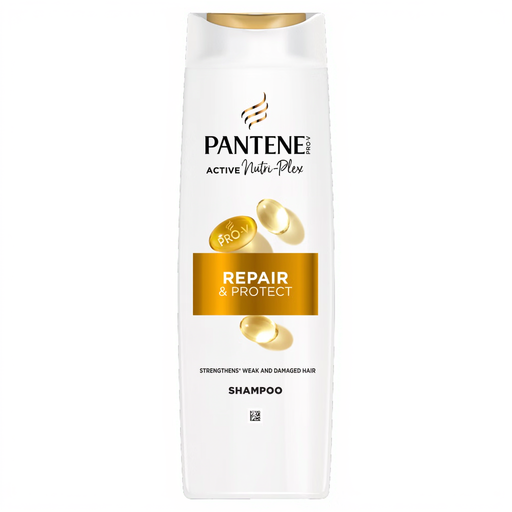
Why This Fits Their Persona: A practical everyday option for households seeking a mid-sized bottle and a repair-focused routine without moving straight to a large salon format.
Its ingredient list is available for checking, including sodium laureth sulphate, so shoppers can assess cleansing strength rather than relying only on “repair” wording.
325ml size; silicone-, mineral-oil- and colourant-free formula according to the supplied product details.
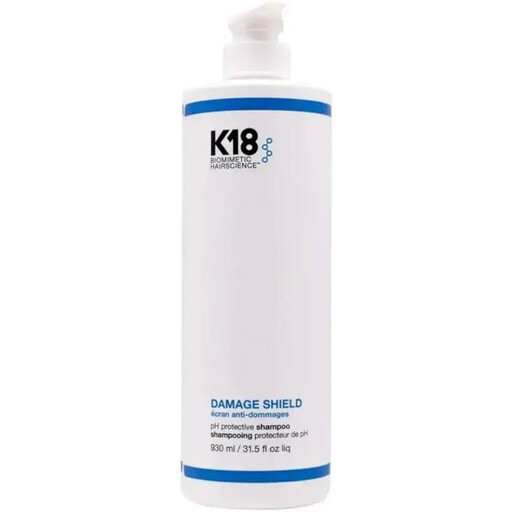
Why This Fits Their Persona: The large format suits regular washing, shared bathrooms and shoppers who prefer to reduce repeat purchases.
The 930ml capacity is clearly stated, helping buyers compare value by volume rather than bottle appearance or salon-style presentation.
Includes sh-oligopeptide-78, panthenol and glycerin in the listed formula; designed for maintenance of damaged hair.
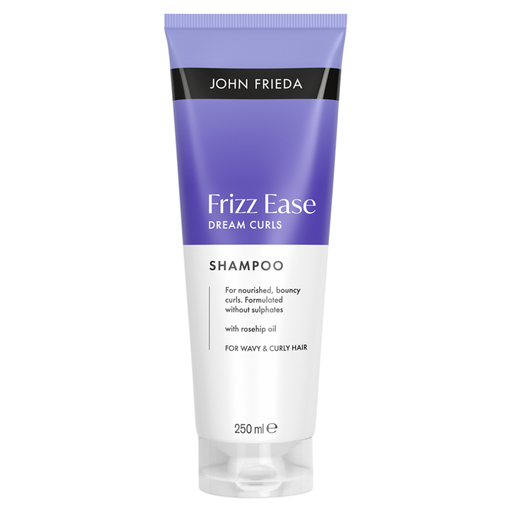
Why This Fits Their Persona: Suitable for shoppers prioritising curl texture, moisture retention and a smaller bottle for trial or occasional rotation.
It is identified as sulphate-free and intended for curly and wavy hair, so the use case is clearer than a generic anti-frizz label.
Contains rosehip oil and panthenol; listed as vegan and suitable for colour-treated hair.
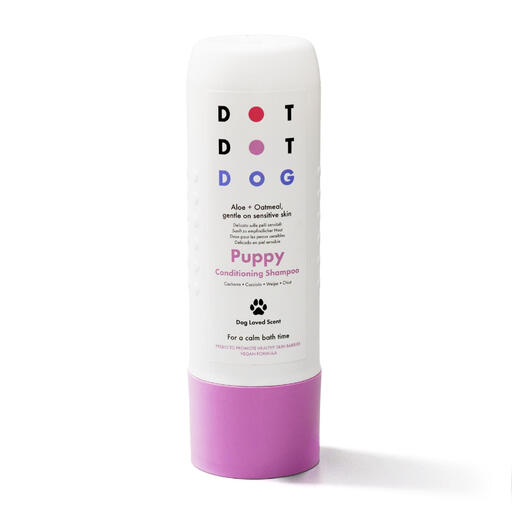
Why This Fits Their Persona: A dedicated conditioning dog shampoo for puppy owners who want a gentle bathing routine and a manageable 280ml bottle.
It is specifically formulated for puppies rather than adapted from a human shampoo, with usage directions and pet-specific warnings supplied.
Contains aloe and oatmeal in the listed formula; described as vegan and suitable for puppies with sensitive skin.
We have compiled a complete, real-time list of products that fully satisfy these strict selection criteria and UK safety regulations.
Wet the scalp and hair thoroughly before applying a moderate amount. Focus massage on the scalp, then allow the lather to pass through the lengths rather than aggressively scrubbing them. Rinse well and follow with conditioner where needed.
For dogs, use lukewarm water, avoid the eyes and rinse until no residue remains. Puppies and dogs with recurring skin problems may need product guidance from a vet, particularly if irritation persists.
There is no universal schedule. Oily scalps, exercise and styling-product use may require more frequent washing, while dry, curly or textured hair may be washed less often. Adjust according to scalp comfort and visible oil or build-up.
Usually, no. Purple shampoo is intended to tone unwanted yellow or brassy-looking hues in blonde, grey or highlighted hair. Use it according to the label and alternate with a regular cleansing or colour-protecting shampoo if the hair becomes dry.
Use a product specifically labelled for puppies or dogs, such as a puppy conditioning shampoo. Human shampoo can be unsuitable for a dog’s skin and coat. Rinse thoroughly, discontinue use if irritation develops and ask a vet for advice about ongoing symptoms.