
24/7 Customer Support

Free returns

Same-day & Next-day Delivery

Quality Guaranteed

Unlock Your Welcome Offers: FREE Delivery | Up to 80% OFF | Free 30-day JoyPlus trial
Download the APP
Choosing shampoo in the UK can be surprisingly difficult. A product may promise hydration, scalp balance, stronger hair or flake control, yet the front label rarely tells you whether it suits your washing frequency, hair texture or sensitivity.
The most suitable shampoo is not necessarily the one with the boldest claim. It is the one whose cleansing strength, active ingredients and fragrance profile match your scalp.
Dryness can result from over-cleansing, cold weather, hot showers or low humidity. Dandruff is a separate scalp concern associated with visible flakes and irritation. Both may cause itchiness, but a standard moisturising shampoo may not address dandruff-related flaking.
For persistent or severe symptoms, consult a pharmacist or GP rather than relying solely on cosmetic hair care.
A sulphate-free shampoo may be preferable if your scalp feels tight after washing or your hair is colour-treated. However, “sulphate-free” does not guarantee that a formula will suit everyone. Other cleansing agents, fragrance or essential oils may still cause discomfort.
Conversely, a shampoo containing sulphates is not automatically unsuitable. The practical question is whether it cleanses effectively without leaving your scalp uncomfortable or your hair excessively dry.
Terms such as “hair loss shampoo”, “repair” and “grey reducing” can describe a product’s intended cosmetic function, not a guaranteed medical or permanent outcome. Peptides, biotin and conditioning agents may help hair feel stronger or more manageable, but shampoo is rinsed away and should not be treated as a replacement for professional advice.
For a sensitive scalp shampoo, check whether the formula contains fragrance, essential oils, menthol or known allergens. A fragrance-free or hypoallergenic label can narrow your options, although individual reactions still vary.
A silicone-free shampoo may appeal if you prefer a lighter finish or avoid certain coating ingredients. Silicones are not inherently harmful, but they can contribute to build-up for some hair types. Likewise, a pH-balanced shampoo is designed around scalp-friendly acidity, but the exact pH is not always printed on the bottle.
A 200–300ml bottle is practical for trying a formula or travelling. Larger bottles can reduce replacement frequency for households or salon-style routines, but only represent good value if the product suits your scalp.
Check whether the product is intended for daily use. Treatment-focused formulas may require a specific contact time or alternating schedule. Always follow the packaging directions, rinse thoroughly and avoid contact with the eyes.
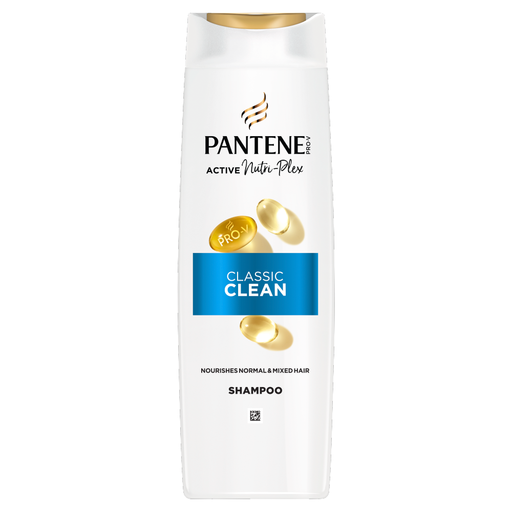
Why This Fits Their Persona: A straightforward option for shoppers with normal or mixed hair who want a familiar daily cleansing routine without selecting a specialist scalp treatment.
Its product information clearly identifies normal and mixed hair as the intended match, rather than presenting it as a universal solution for every scalp concern.
325ml size; contains panthenol and is listed without mineral oils or colourants.
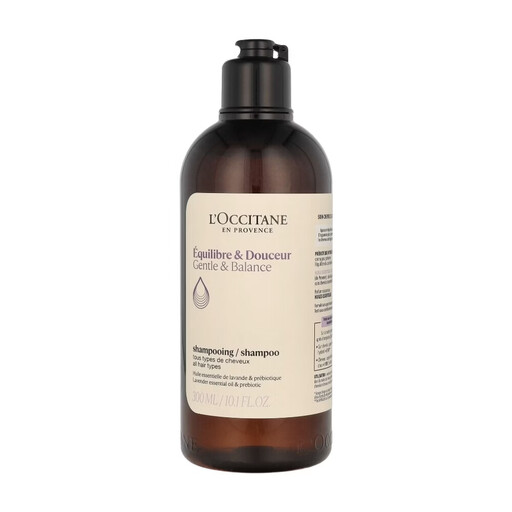
Why This Fits Their Persona: Suitable for shoppers prioritising a sulphate-free, silicone-free formula and a scented, enjoyable washing experience.
The formula specifications are visible: it is described as sulphate-free and silicone-free, while the ingredient list also makes its fragrance and essential oils clear.
Vegan formula; includes panthenol and a prebiotic sugar complex; suitable for daily use according to the product description.
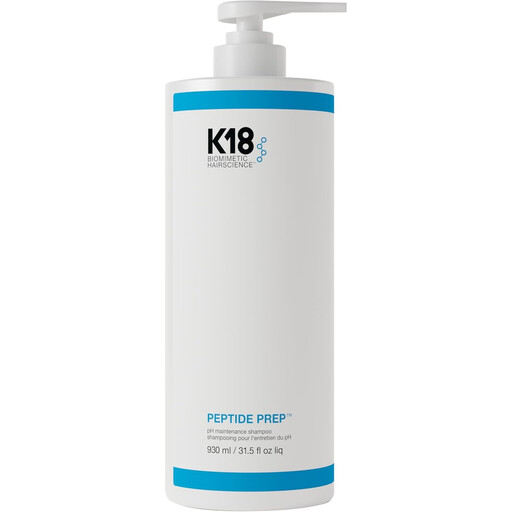
Why This Fits Their Persona: The 930ml format suits larger households, frequent washers or anyone wanting a high-capacity bottle for long-term use.
Its stated pH-balanced positioning is supported by a listed formula containing citric acid and sodium hydroxide; the large volume is also clearly specified.
930ml capacity; includes panthenol, glycerine and a listed polypeptide ingredient for damaged-feeling hair.
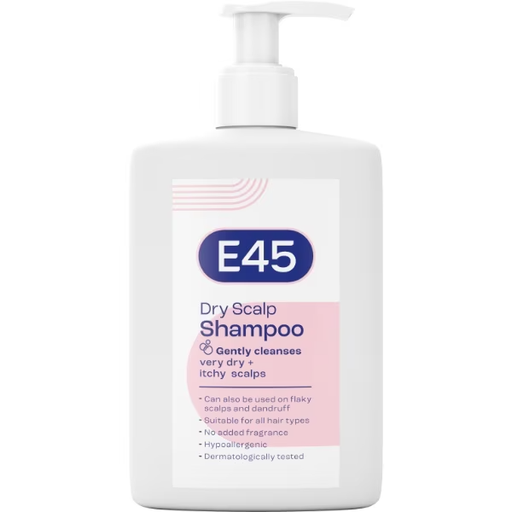
Why This Fits Their Persona: A practical choice for people seeking fragrance-free, perfume-free scalp care for dry, itchy or flaky-feeling skin.
It does not rely on a perfume-led sensory claim: the supplied product details specify a fragrance-free and hypoallergenic formula.
250ml size; contains panthenol, glycerine and climbazole; described as suitable for everyday use.
We have compiled a complete, real-time list of products that fully satisfy these strict selection criteria and UK safety regulations.
Wet the scalp thoroughly with lukewarm water, then apply a modest amount to the roots. Massage with fingertips rather than scratching with nails. Rinse until the water runs clear, and use conditioner mainly through the lengths if your hair becomes tangled or dry.
If you are trying an anti-dandruff shampoo, follow its stated contact time and frequency. For a new fragrance, essential oil or colour-reducing product, check the warnings and consider a patch test. Products such as grey-reducing shampoo can contain hair-colouring ingredients, so follow the required allergy test instructions carefully.
Frequency depends on oil production, exercise, styling products and hair texture. Oily scalps may need daily washing, while dry or textured hair may be more comfortable with less frequent cleansing. Choose a daily-use shampoo only if your scalp remains comfortable with regular washing.
Price does not establish suitability. Compare the bottle size, ingredient profile, intended use and whether you need a specialist active. A larger bottle may offer better value for frequent use, while a smaller sensitive scalp shampoo can reduce waste when testing a new formula.
Cosmetic shampoo can cleanse hair and make it feel fuller, smoother or easier to manage. A peptide shampoo or hair loss shampoo should not be treated as a guaranteed solution for hair loss. Grey-reducing shampoo is designed to create gradual colour change while used as directed, rather than providing permanent dye results.