
24/7 Customer Support

Free returns

Same-day & Next-day Delivery

Quality Guaranteed

Unlock Your Welcome Offers: FREE Delivery | Up to 80% OFF | Free 30-day JoyPlus trial
Download the APP
Dry, brittle and frizzy hair can make an ordinary wash feel like a difficult purchase decision. Product labels promise repair, bond support, moisture and stronger-looking strands, yet the wrong shampoo may leave your hair heavy, greasy or tighter at the scalp.
For UK shoppers, the most useful approach is to match the formula to both your scalp condition and the state of your lengths. A shampoo for dry and damaged hair should cleanse the scalp effectively without making already fragile hair feel stripped.
Terms such as “bond repair”, “deep repair” and “strengthening” can describe different types of cosmetic care. A shampoo may help hair feel smoother, reduce tangling or improve manageability, but it cannot reverse every form of chemical or heat damage.
Look for the actual formula rather than relying only on front-of-pack wording. Ingredients such as panthenol, glycerin, conditioning polymers, proteins, peptides, ceramides or oils can indicate the type of care offered. Hair that is bleached or repeatedly heat-styled may benefit from a repairing shampoo for damaged hair, while coarse, frizzy lengths may need a richer moisturising shampoo.
A coconut oil or oil-enriched shampoo may suit dry, thick hair, but it can feel too weighty on fine or oily roots. Conversely, a strong clarifying formula may remove build-up while making a dry scalp feel uncomfortable.
If flakes and itching are your main concern, compare an anti-dandruff shampoo, dry scalp shampoo or itchy scalp shampoo rather than selecting only by the condition of your hair ends. Dandruff and dry scalp can look similar, but they are not necessarily the same issue. Persistent redness, soreness or flaking should be discussed with a healthcare professional.
A sulphate-free shampoo can still contain fragrance, essential oils or other ingredients that do not suit every sensitive scalp. Likewise, a shampoo containing sulphates is not automatically unsuitable for dry hair. The practical question is whether the cleansing strength, conditioning ingredients and fragrance profile match your needs.
Check the ingredient list, bottle size and usage instructions. A 930ml bottle may offer convenience for a household, but a 200ml or 250ml bottle can be a more sensible first purchase if you are unsure how your scalp will respond.
Separate your needs into two categories:
Read the first several ingredients, as they generally make up the largest part of the formula. Sodium laureth sulfate, olefin sulfonate and other surfactants provide cleansing, while glucosides, amino-acid surfactants and betaines are often used in milder systems.
Conditioning ingredients such as dimethicone, amodimethicone, polyquaterniums, oils and proteins can improve slip and reduce the rough feel of damaged hair. However, fine hair may become limp with a highly conditioning formula. If your roots become oily quickly but your ends are dry, apply shampoo mainly to the scalp and allow the rinse-through foam to clean the lengths.
For chemically treated hair, a bond repair shampoo or peptide shampoo may be worth comparing with a traditional moisturising formula. L’Oréal Paris Elvive Bond Repair Shampoo is listed as sulphate-free and contains citric acid, while OGX Bond Repair Shampoo includes wheat protein, panthenol and bond-supporting ingredients.
For frizz, look for conditioning agents, oils and ceramides. For colour-treated hair, a colour-safe shampoo may help you maintain your preferred routine, but colour longevity also depends on water temperature, washing frequency and exposure to heat. Dove Ultra Care Shampoo Colour Care is designed for colour-treated hair and comes in a 400ml bottle.
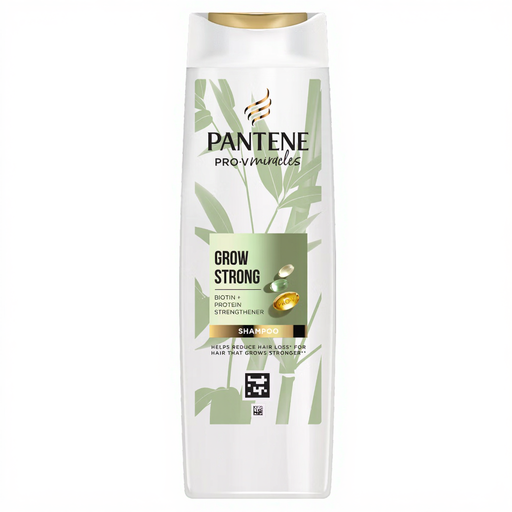
Why This Fits Their Persona: A familiar 400ml format for shoppers wanting an everyday shampoo for dry and damaged hair without starting with a salon-sized bottle.
The ingredient list lets buyers see that it contains sodium laureth sulfate and silicones, so it is not presented as a universal sensitive-scalp choice.
Contains biotin, panthenol and conditioning ingredients; suitable for a straightforward wash-and-rinse routine.
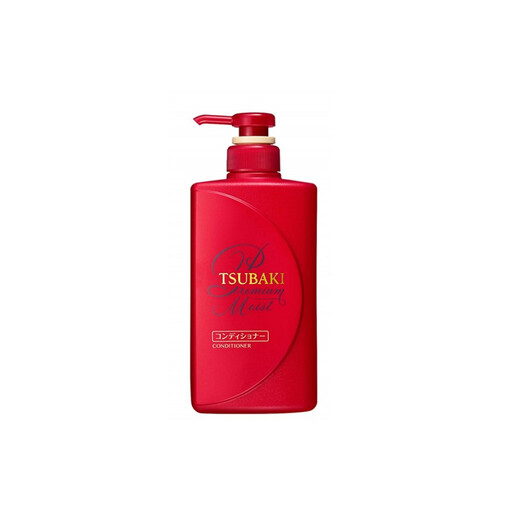
Why This Fits Their Persona: Suitable for shoppers prioritising rich moisture, smoother-feeling lengths and a larger 490ml bottle for regular home use.
The listed camellia oil, royal jelly, soy protein and squalane make its moisturising focus clear, while the fragrance should be considered by sensitive users.
Includes glycerin, panthenol and conditioning agents; generous 490ml capacity.
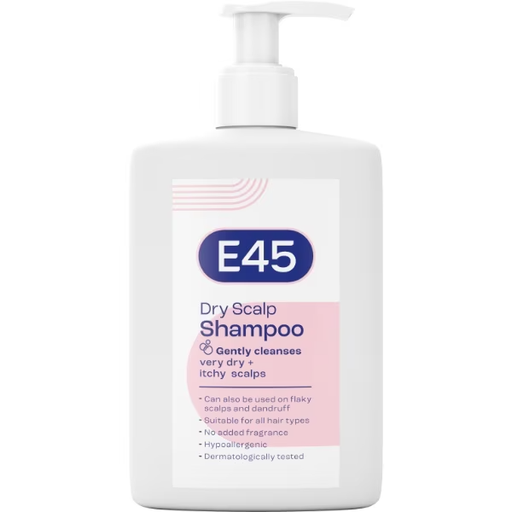
Why This Fits Their Persona: A practical option for frequent washing when dry, itchy or flaky scalp comfort is more important than intensive styling benefits.
It is clearly positioned around scalp cleansing and hydration rather than promising permanent repair of damaged hair fibres.
Fragrance-free, soap-free and perfume-free; contains panthenol and climbazole.
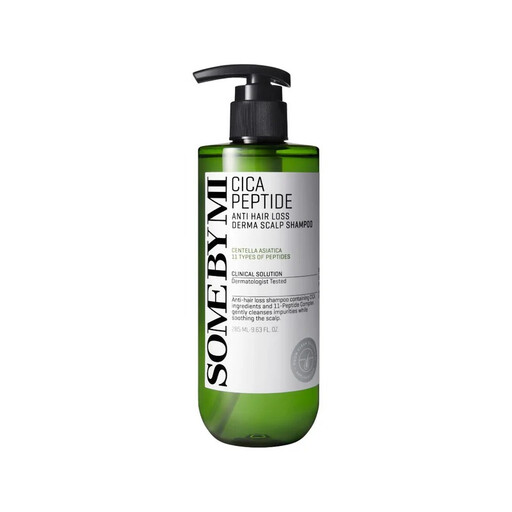
Why This Fits Their Persona: Designed for shoppers combining oily or uncomfortable scalp concerns with fragile, thinning-looking hair and a preference for a lighter daily formula.
Its product information identifies a mild cleansing system, PHA and scalp-focused ingredients, rather than treating biotin or peptides as a guaranteed solution for hair loss.
Silicone-free and mild sulphate-free formula; includes cica, 11 peptide types, biotin and menthol.
We have compiled a complete, real-time list of products that fully satisfy these strict selection criteria and UK safety regulations.
It depends on the formula and your washing routine. Products specifically described for everyday use, such as E45 Dry Scalp Shampoo, may suit frequent washing. Richer repairing shampoo formulas may be more comfortable every few washes, especially on fine hair. Your scalp’s oiliness, exercise routine, styling products and water hardness in your area all affect how often you need to wash.
Choose a moisturising shampoo when your main problems are roughness, frizz, tangling or a tight-feeling scalp. Consider a bond repair shampoo when hair has been bleached, permed or frequently heat-styled and feels weak or prone to snapping. Some shoppers alternate a gentler moisturising shampoo with a repair-focused option to avoid excessive weight.
A 200–250ml bottle may last several weeks, while 400–500ml formats are more practical for regular household use. Large 930ml or 1,000ml bottles can reduce replacement frequency, but compare the price per 100ml and check the opening date and packaging guidance. Using a small amount on the scalp, rather than repeatedly coating the entire length, can also reduce daily consumption.