
24/7 Customer Support

Free returns

Same-day & Next-day Delivery

Quality Guaranteed

Unlock Your Welcome Offers: FREE Delivery | Up to 80% OFF | Free 30-day JoyPlus trial
Download the APP
Dry, brittle hair often needs more than a shampoo labelled “moisture”. The right choice depends on whether the main issue is moisture loss, styling damage, a dry scalp, colour maintenance or fine hair that becomes weighed down easily.
For UK shoppers, the challenge is separating useful formulation details from vague marketing. A premium-looking bottle does not automatically mean a suitable product, while a lower-priced shampoo may offer the ingredients and format your routine actually requires.
A moisturising shampoo may help hair feel softer, but it is not necessarily designed for a dry, itchy or flaky scalp. Some formulas contain fragrance, stronger cleansing agents or conditioning ingredients that may not suit sensitive users.
If scalp discomfort is your main concern, look for a product specifically labelled for dry scalp and check whether it is perfume-free, colour-free or soap-free. Persistent irritation or flaking may require advice from a pharmacist or healthcare professional rather than repeated product changes.
A sulfate-free shampoo can be useful for curly, coily, dry or colour-treated hair, particularly when frequent washing leaves the lengths feeling stripped. However, “sulfate-free” does not mean the formula contains no cleansing agents. Cantu Shea Butter Sulfate-Free Cleansing Cream Shampoo, for example, lists sodium C14-16 olefin sulfonate alongside cocamidopropyl betaine.
The practical question is whether the shampoo removes oil and styling residue without leaving your hair uncomfortable or rough. Heavy buildup may need a more effective cleanser occasionally, even if your regular shampoo is mild.
Bond repair shampoo and treatments are designed for hair affected by bleaching, heat, colouring, brushing or chemical processing. They may improve the feel, manageability and appearance of damaged hair, but no rinse-off product can permanently restore every form of structural damage.
Compare the ingredient list, directions and recommended routine. A pre-shampoo treatment is used differently from a daily shampoo, and many repair systems are intended to be paired with conditioner or leave-in products.
Check the first cleansing ingredients rather than relying only on front-of-pack language. Common options include:
If you wash daily after commuting, exercising or working outdoors, a balanced formula may be more practical than an intensely cleansing shampoo. For curly hair, concentrate shampoo on the scalp and allow the lather to pass through the lengths rather than scrubbing the ends.
For a moisturising shampoo, look for ingredients that support a smoother feel, such as glycerin, panthenol, shea butter, amino acids, ceramides or conditioning polymers. These do not all perform the same function:
Fine hair may become flat with rich formulas, so shampoo for fine hair should generally be paired with a lightweight conditioner applied mainly to the mid-lengths and ends.
Colour-safe shampoo is usually formulated to cleanse without unnecessarily accelerating colour fade, but always check the current packaging and ingredient list. Purple shampoo for blonde hair, highlighted hair or grey hair contains violet pigment intended to visually counter warm or yellow-looking tones. It is usually a periodic toning product, not necessarily a complete replacement for an everyday shampoo.
For a dry scalp shampoo, check directions carefully. Leave-on time, washing frequency and whether the product is suitable for regular use can vary. Avoid contact with eyes and stop using any product that causes irritation.
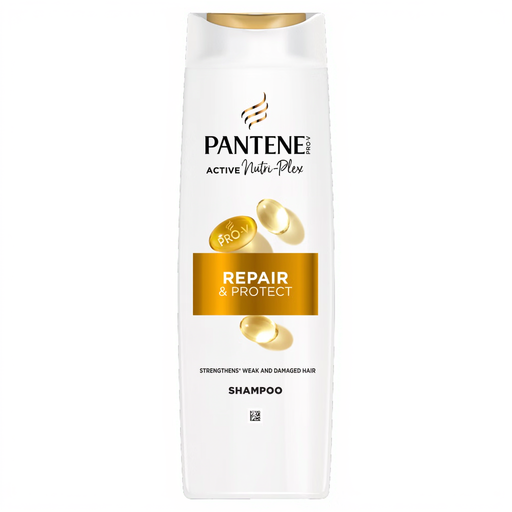
Why This Fits Their Persona: A straightforward option for UK households wanting an everyday shampoo for damaged hair without moving immediately to a larger salon-style format.
The product details identify its cleansing format and state that it is free from silicones, mineral oils and colourants, helping shoppers compare the formula rather than the bottle design alone.
325ml size; includes panthenol, glycerin and conditioning polymers; designed for use with a matching conditioner.
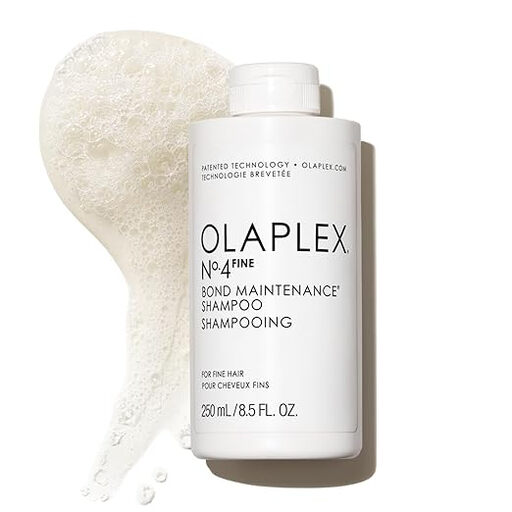
Why This Fits Their Persona: Suits shoppers with fine, coloured or frequently styled hair who want a concentrated, lightweight format that does not focus solely on rich moisture.
The product is specifically described for fine hair and lists sulfate-, silicone-, protein- and paraben-free positioning, making its intended use clearer than a generic “repair” label.
250ml concentrated format; colour-safe positioning; includes panthenol and a bond-building ingredient listed as bis-aminopropyl diglycol dimaleate.
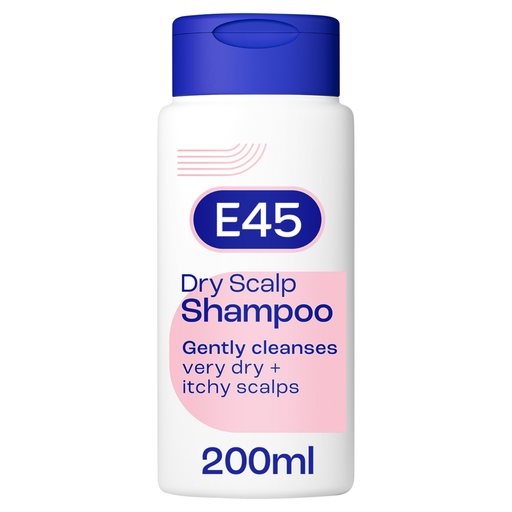
Why This Fits Their Persona: A targeted choice for adults who prioritise scalp comfort and want a shampoo positioned for dry, itchy or flaky scalp concerns.
Its listed formula is soap-, colour- and perfume-free, with climbazole and panthenol included. This gives shoppers specific details to assess instead of relying on a general anti-dandruff label.
200ml format; suitable for regular use according to the product information; contains panthenol and glycerin.
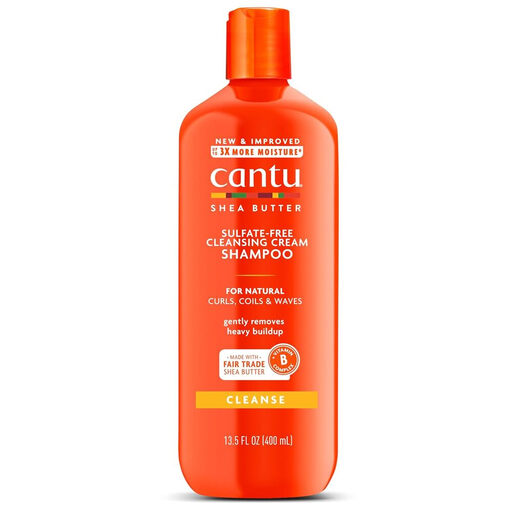
Why This Fits Their Persona: A practical match for curly, coily and wavy hair routines where styling products can create noticeable buildup and the lengths need a richer cleansing feel.
The product information clearly advises a second lather when heavy buildup is present. This is more useful than assuming one wash must remove every styling residue.
400ml size; sulfate-free positioning; includes shea butter, glycerin and panthenol; listed as suitable for natural and colour-treated hair.
We have compiled a complete, real-time list of products that fully satisfy these strict selection criteria and UK safety regulations.
Always follow the packaging instructions and review the current ingredients, especially if you have a known sensitivity. A shampoo labelled salon-quality may offer a concentrated or targeted formula, but value also depends on size, washing frequency and whether you need a matching treatment.
There is no universal schedule. Fine or oily hair may need more frequent washing, while dry, curly or textured hair may be washed less often. Start with the frequency needed to keep the scalp comfortable and clean, then adjust if the lengths feel rough or the roots become heavy.
Not necessarily. Dry scalp is commonly associated with moisture loss, while dandruff can have different causes. They may produce similar-looking flakes, so choose a product according to the label and seek professional advice if symptoms persist, worsen or include marked redness.
A 200–400ml bottle may last several weeks or longer, depending on hair length, washing frequency and the amount used. Concentrated products may require less per wash. Comparing price per 100ml can make different bottle sizes easier to assess.