
24/7 Customer Support

Free returns

Same-day & Next-day Delivery

Quality Guaranteed

Unlock Your Welcome Offers: FREE Delivery | Up to 80% OFF | Free 30-day JoyPlus trial
Download the APP
Choosing between shampoo and dry shampoo is not simply a matter of fragrance or bottle size. The right option depends on whether you need a proper cleanse, short-term oil control, scalp comfort, moisture, volume or a convenient travel format.
Marketing language can make the choice harder. Terms such as “repair”, “deep clean” and “instant freshness” may describe a user-perceivable result, but they do not mean every formula suits every scalp or hair type. Use the following checks to avoid paying for features that do not match your routine.
Dry shampoo is designed to absorb excess oil and refresh the appearance of roots without water. It does not perform the same cleansing process as traditional shampoo. Frequent or heavy application without regular washing may leave powder, fragrance or styling residue on the hair and scalp.
Use it for commuting, post-gym touch-ups, busy mornings or extending time between washes. Choose shampoo and water when you need to remove sweat, product build-up or everyday impurities.
A shampoo for dry damaged hair focuses mainly on the feel and appearance of the lengths. A dry scalp shampoo is aimed at cleansing more gently while supporting scalp moisture. These are different needs.
Hair that feels brittle may benefit from a moisturising shampoo containing ingredients such as glycerin, oils, panthenol, amino acids or conditioning agents. A sensitive scalp may instead require a fragrance-free or hypoallergenic formula. Always check the ingredient list if you are prone to irritation.
A volumising dry shampoo can make roots feel more textured and hair appear fuller, but extra grip may not suit fine, dry or heavily styled hair. Likewise, a product that absorbs oil effectively may leave a visible cast if too much is sprayed or it is not brushed through properly.
Packaging size also matters. A 91g or 200ml aerosol may be convenient for a handbag or gym bag, while a 350ml or larger bottle may offer better value for regular home use.
For a shampoo for sensitive scalp needs, look for clear information about fragrance, soap, colourants and known allergens. E45 Dry Scalp Shampoo options are fragrance-free, soap-free and perfume-free according to their product descriptions, while their ingredient lists include panthenol and climbazole.
If you are shopping for a dry scalp shampoo because of persistent itching, flaking, redness or discomfort, stop using any product that causes irritation and seek appropriate advice from a healthcare professional where necessary. Cosmetic shampoo should not be treated as a diagnosis or medical treatment.
“Sulphate-free shampoo” is a useful search term, but it is not automatically the right choice for every shopper. Some people prefer sulphate-free formulas because they feel gentler or are concerned about preserving coloured or chemically treated hair. Others prefer a stronger lather for removing oil and styling products.
Check the full ingredients rather than relying only on the front label. For example, several Pantene and TRESemmé formulas listed here contain sodium laureth sulfate, while OGX Renewing+ Argan Oil of Morocco Shampoo uses a sulphate-free surfactant system according to its product description.
For aerosol dry shampoo:
Use aerosols in a well-ventilated space. Keep them away from heat, sparks, open flames and temperatures above 50°C. Do not pierce or burn the container, and avoid inhaling the spray or getting it in your eyes. These precautions are particularly important when storing products in a warm bathroom, car or suitcase.
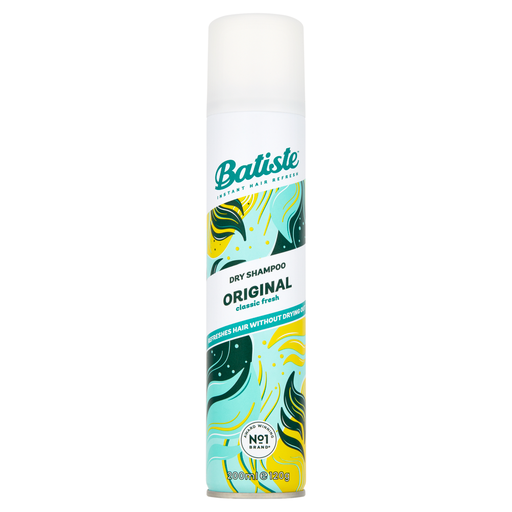
Why This Fits Their Persona: A straightforward entry point for shoppers who want a compact dry shampoo for oily roots, commuting or occasional use between washes.
Its 200ml format helps avoid committing to a large can before you know whether the classic fresh fragrance and rice-starch finish suit you.
Rice starch helps absorb oil, while the formula adds body and texture without water.
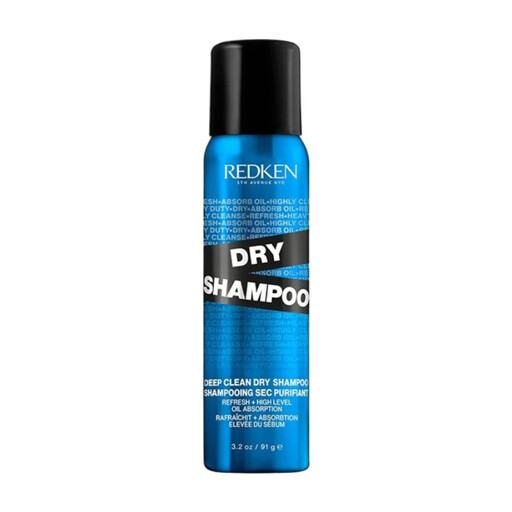
Why This Fits Their Persona: Suitable for shoppers prioritising a talc-free, silicone-free and sulphate-free dry shampoo with a smaller, travel-friendly format.
The instructions specify short sprays of 1–2 seconds and a distance of 15–20cm, helping reduce over-application and gritty residue.
The formula includes rice starch and is described as providing a cooling sensation with no gritty residue.
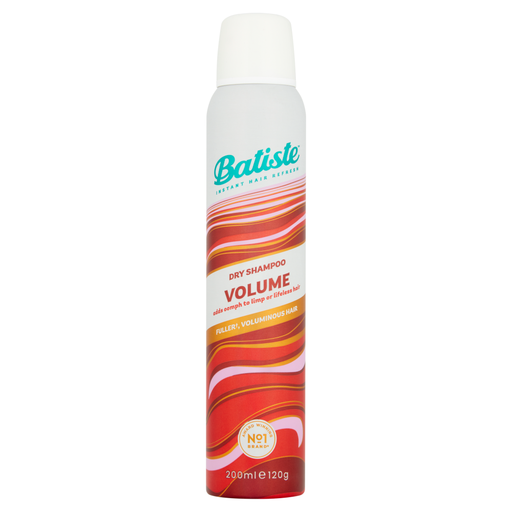
Why This Fits Their Persona: A practical choice for flat roots, post-workout refreshes and styling routines that need extra grip between washes.
It is selected specifically for oil absorption plus volume, rather than relying on a generic “fresh hair” description alone.
The product description lists a collagen complex, rice starch and compatibility with coloured and keratin-treated hair.
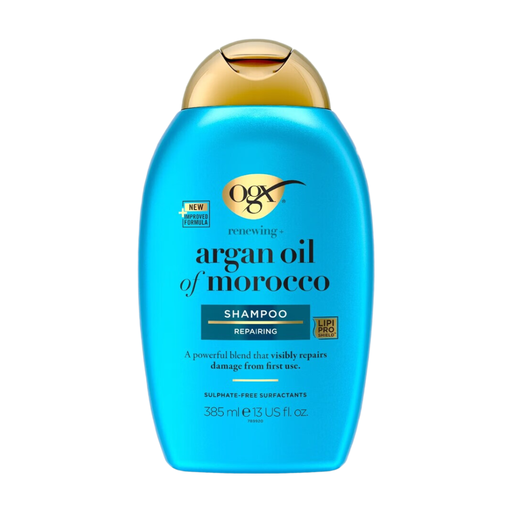
Why This Fits Their Persona: Intended for shoppers seeking a sulphate-free shampoo with argan oil for hair that feels dry, brittle or over-processed.
Its product information identifies the cleansing system and argan oil clearly, making it easier to assess than relying on vague “repair” wording.
The formula contains argan oil and is described as producing a creamy lather while helping hair feel smoother and more manageable.
We have compiled a complete, real-time list of products that fully satisfy these strict selection criteria and UK safety regulations.
Use it when you need a temporary refresh, rather than as a substitute for regular washing. The suitable frequency depends on your scalp, hairstyle and the amount of product used. If residue or irritation develops, wash the hair and discontinue use.
Yes, dry shampoo for oily hair is formulated to absorb excess oil at the roots. Apply a small amount to dry hair, wait briefly, massage it in and brush thoroughly. Using too much can create a powdery finish or reduce manageability.
Not necessarily. Some shoppers choose sulphate-free shampoo to support a gentler-feeling routine, but suitability depends on the complete formula and personal preference. Check the label, consider your scalp needs and follow the care guidance provided for your colour treatment.