
24/7 Customer Support

Free returns

Same-day & Next-day Delivery

Quality Guaranteed

Unlock Your Welcome Offers: FREE Delivery | Up to 80% OFF | Free 30-day JoyPlus trial
Download the APP
Dealing with hair that feels dry, brittle and prone to snapping can be a frustrating cycle. Whether the damage is from colouring, heat styling or environmental factors, the search for an effective shampoo for damaged hair often leads down a path of confusing claims and disappointing results. As your Joybuy Product Recommendation Officer, my role is to help you navigate the market and identify what truly matters when selecting a product to restore your hair's health.
Before you add another bottle to your basket, let's look at a few common pitfalls that can lead to wasted money and continued hair woes.
To make an informed choice, it helps to understand the components that genuinely contribute to hair restoration. Focus on these three core parameters when comparing options.
The primary job of a shampoo is to cleanse, but how it does so is critical for damaged hair.
A good hair repair shampoo should contain ingredients that work on multiple levels to restore hair health from the inside out.
If you have specific issues, look for formulas that address them directly. For those searching for a shampoo for bleached hair in the UK, a product containing violet or blue pigments is essential. These pigments counteract yellow or orange tones, keeping blonde, silver or grey hair looking bright and fresh rather than brassy.
Based on these practical criteria, here are a few standout options matched to different user needs and hair concerns.
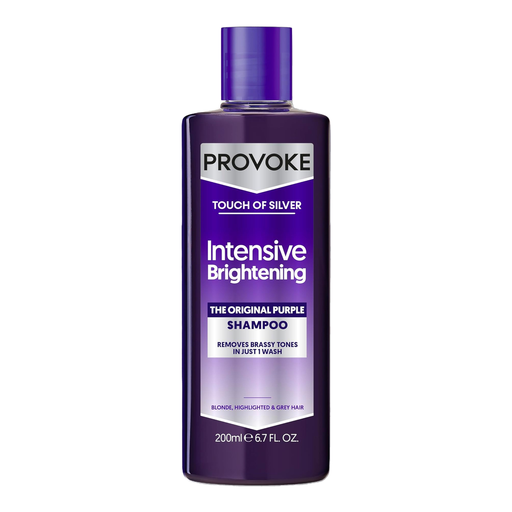
Why This Fits Their Persona: This user struggles with the dual problem of damage from bleaching and the inevitable brassy tones that appear over time. This shampoo is formulated specifically to address both issues simultaneously.
It avoids the "one-size-fits-all" pitfall by being a highly specialised product. Its formula includes both violet and blue pigments to neutralise yellow tones, a feature generic repair shampoos lack.
It offers visible brightening and toning after just one wash, providing an immediate solution to dullness and brassiness while cleansing gently.
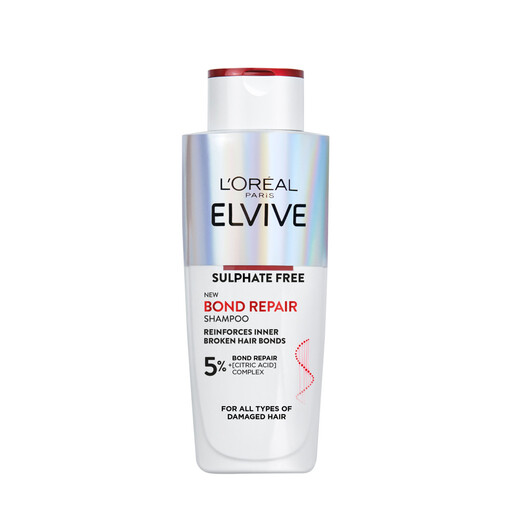
Why This Fits Their Persona: This user is primarily concerned with breakage, weakness and a loss of resilience from frequent heat styling or chemical treatments. They need a solution that rebuilds the hair's core strength.
It sidesteps the "surface coating" trap by focusing on internal repair. The formula, powered by a Citric Acid Complex, is designed to penetrate the hair fibre and help restore broken bonds from within.
This is a sulphate-free shampoo, making it gentle enough for weakened hair, and it is part of a complete routine designed to work synergistically for comprehensive bond repair.
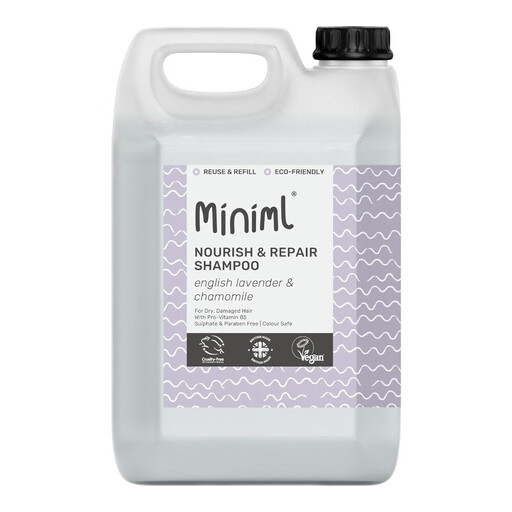
Why This Fits Their Persona: This user prioritises gentle, natural-leaning ingredients and sustainable practices. They need a kind-to-scalp, effective shampoo that aligns with their eco-friendly values.
It avoids the "miracle ingredient" trap by using a straightforward, effective formula. It is sulphate-free, vegan and biodegradable, focusing on gentle cleansing and nourishment with Pro-Vitamin B5, lavender and chamomile.
The large 5L container and refill/return programme offer a significant reduction in plastic waste, making it a cost-effective and sustainable choice for long-term use.
We have compiled a complete, real-time list of products that fully satisfy these strict selection criteria and UK safety regulations.
This depends on the specific product and your hair's condition. Gentle, moisturising formulas are typically suitable for daily or frequent use. However, more intensive treatments, such as some bond-repairing shampoos, might be recommended for use a few times a week. Always refer to the directions on the product label for the intended usage.
This is a valid concern, as some rich, moisturising formulas can be too heavy for finer hair types. If your hair is both fine and damaged, look for a strengthening shampoo for brittle hair that has a more lightweight consistency. Opting for silicone-free formulas can also help prevent the build-up that leads to a weighed-down feeling.
You may notice some immediate benefits, such as increased softness and shine, after the first wash. However, true structural repair is a cumulative process. It can take several weeks of consistent use to see a noticeable reduction in breakage and an improvement in your hair's overall strength and resilience. Patience and consistency are key.