
24/7 Customer Support

Free returns

Same-day & Next-day Delivery

Quality Guaranteed

Unlock Your Welcome Offers: FREE Delivery | Up to 80% OFF | Free 30-day JoyPlus trial
Download the APP
Dealing with hair that feels dry, brittle or prone to snapping can be a frustrating cycle. Whether the cause is frequent heat styling, chemical treatments or simply environmental factors, the search for an effective shampoo for damaged hair often leads down a path of confusing claims and disappointing results. As a Joybuy Product Recommendation Officer, my role is to help you navigate the market and understand what truly makes a difference, so you can invest in a product that helps restore your hair's health and resilience.
Before you add another bottle to your basket, let's look at a few common pitfalls that UK shoppers encounter.
To make an informed choice, focus on the entire formulation rather than just the marketing claims. Here are the three most important factors to check before you buy.
The primary job of a shampoo is to cleanse, but for damaged hair, this must be done gently. The ingredients responsible for this are called surfactants.
This is what separates a basic shampoo from a genuine hair repair treatment. Different technologies target damage in different ways.
Finally, a well-rounded formula will include ingredients that protect the hair from further damage and improve its manageability.
Instead of a one-size-fits-all approach, the right shampoo depends on your specific hair concerns, lifestyle and budget. Here are a few recommendations matched to different user profiles.
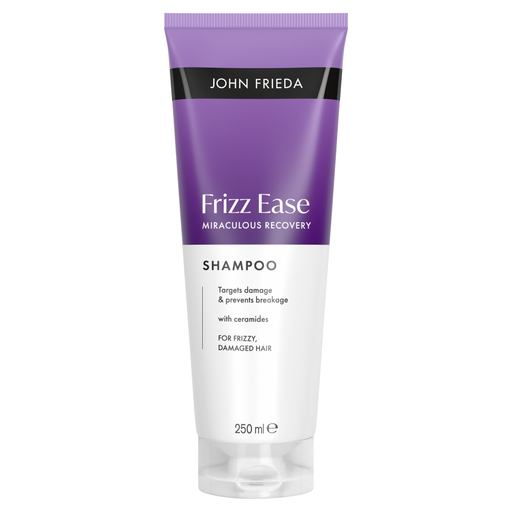
Why This Fits Their Persona: Ideal for someone new to targeted hair repair who wants a reliable, affordable solution for common issues like frizz and dryness. It's a straightforward choice for tackling visible damage without a hefty price tag.
It focuses on tangible results like smoothness and frizz reduction, using a combination of ceramides and its "Anti-Damage Technology" rather than relying on a single "miracle ingredient" claim.
Provides an excellent balance of performance and value. The formula is specifically designed to smooth the hair cuticle, offering noticeable frizz control and softness from the first few washes.
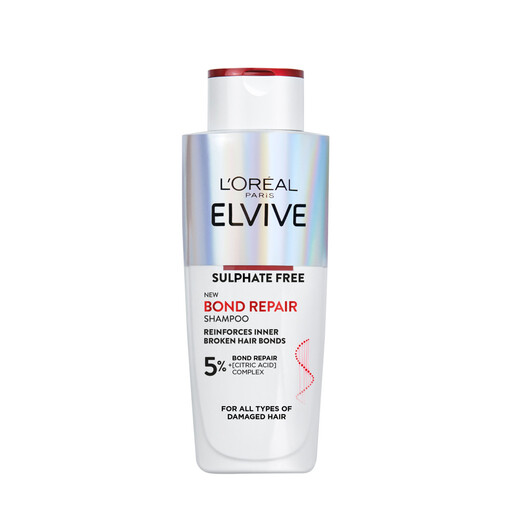
Why This Fits Their Persona: This user has significant structural damage from colouring or bleaching and needs a targeted **shampoo for bleached hair**. They are looking for a product with a clear bond-repairing focus that goes beyond simple conditioning.
It cuts through the "bond repair buzzword" trap by centring its formula on a specific "Citric Acid Complex," which is designed to penetrate the hair fibre and help rebuild broken bonds from within.
This shampoo is part of a multi-step system that offers an intensive repair routine. The sulphate-free formula cleanses gently while the active complex works to restore strength and shine to weakened hair.
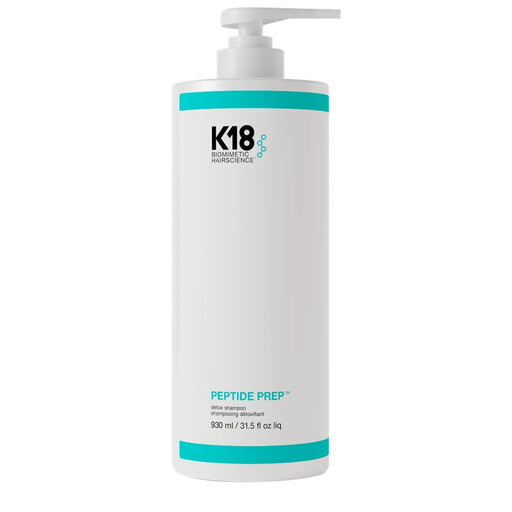
Why This Fits Their Persona: This user is knowledgeable about hair science and seeks high-performance, salon-grade products. They understand the importance of properly cleansing the hair to allow repair treatments to work effectively and are willing to invest in advanced technology.
It justifies its premium positioning with patented technology (sh-Oligopeptide-78) and a sophisticated two-step philosophy: detoxifying with charcoal and salicylic acid first, then repairing with peptides.
This is a clarifying yet non-stripping shampoo that removes product buildup, oil and minerals to create a clean canvas. This allows its peptide and other repair treatments to penetrate more effectively for maximum results.
We have compiled a complete, real-time list of products that fully satisfy these strict selection criteria and UK safety regulations.
This depends on the intensity of the formula. A gentle, hydrating shampoo for dry hair can often be used daily. However, more intensive detox or bond repair shampoo formulas may be best used 1-3 times per week, alternating with a more basic maintenance shampoo to avoid overloading the hair. Always check the product's directions.
This can sometimes happen with overuse of protein-heavy formulas, a phenomenon known as 'protein overload'. To avoid this, look for a strengthening shampoo that also contains a good balance of moisturising ingredients like glycerin, panthenol or natural oils. If your hair starts to feel rigid, reduce the frequency of use.
You can often feel surface-level improvements, such as increased softness and reduced frizz, after the very first wash. However, for true structural repair—like a noticeable reduction in breakage and improved elasticity—consistent use over several weeks is necessary as the ingredients work to rebuild and reinforce the hair from within.