
24/7 Customer Support

Free returns

Same-day & Next-day Delivery

Quality Guaranteed

Unlock Your Welcome Offers: FREE Delivery | Up to 80% OFF | Free 30-day JoyPlus trial
Download the APP
Dryness, split-looking ends, frizz and breakage can make choosing a shampoo surprisingly difficult. Marketing terms such as “repair”, “bond building” and “professional quality” sound reassuring, but they do not all describe the same type of formula.
The right shampoo for damaged hair should match the cause and condition of your hair, whether that means bleaching, heat styling, colouring, chemical treatments, curls or simple lack of moisture. Here is how to compare products without paying for features you may not need.
Shampoo cleans the scalp and hair surface; it cannot permanently rebuild split ends or reverse every form of structural damage. Products described as a repair shampoo may help hair feel smoother, easier to detangle or less prone to visible roughness, but results depend on the complete routine, including conditioner and leave-in care.
Treat “bond repair” as a formulation category rather than a guaranteed outcome. Look at the full ingredient list and use instructions instead of relying only on front-of-pack wording.
A highly moisturising shampoo for dry hair may feel comfortable on coarse or curly hair but leave fine hair flat or coated. Conversely, a lightweight cleanser may not provide enough slip for bleached, textured or very dry hair.
Hair density, curl pattern and scalp oiliness matter as much as the damage itself. Fine hair usually benefits from a concentrated, lightweight formula, while curls and coils often need gentler cleansing and better moisture retention.
A sulphate-free shampoo can be useful for people who prefer a gentler-feeling cleanse or want to limit SLS/SLES, particularly when hair is coloured or very dry. However, sulphate-free does not necessarily mean irritation-free, and alternative surfactants can still cleanse strongly.
Always check the current packaging. Fragrance components such as limonene, linalool and eugenol may also matter if your scalp is sensitive. Stop using any cosmetic product that causes persistent irritation and seek appropriate medical advice where necessary.
The first ingredients usually indicate the main cleansing agents. Sodium laureth sulfate, olefin sulfonates, glucosides, sarcosinates and isethionates all provide cleansing, but the overall formula determines how it feels.
For a shampoo for dry hair, ingredients such as glycerin, panthenol, plant oils and fatty alcohols can support a softer feel. Bond-focused products may include citric acid complexes, amino-acid derivatives, proteins or specialised conditioning ingredients.
Protein is not automatically suitable for everyone. Hair that feels stiff or brittle after repeated strengthening products may need more moisture and less protein-rich care. Alternate products if necessary rather than layering several intensive treatments at once.
A 200–250ml bottle may be practical for trying a new formula, while 325–500ml sizes can offer better value for regular use. A 930ml or 1,000ml bottle suits households or long-term users, provided the formula works for your hair.
Also check whether the product is intended to be followed by a matching conditioner or treatment. Shampoo alone rarely provides the same conditioning effect as a complete routine.
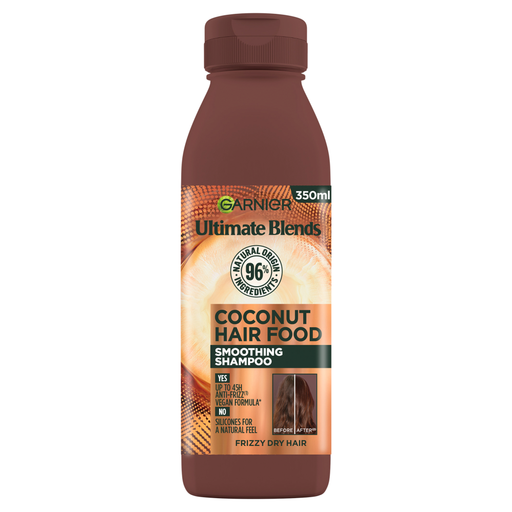
Why This Fits Their Persona: A versatile 350ml option for shoppers who want one product that can be used as a shampoo, conditioner or three-minute mask.
Its three-use format makes the routine clearer, while the product information identifies coconut water, coconut oil and glycerin for a moisture-focused approach.
100% vegan formula; no silicones; up to 97% natural-origin ingredients according to the product description.
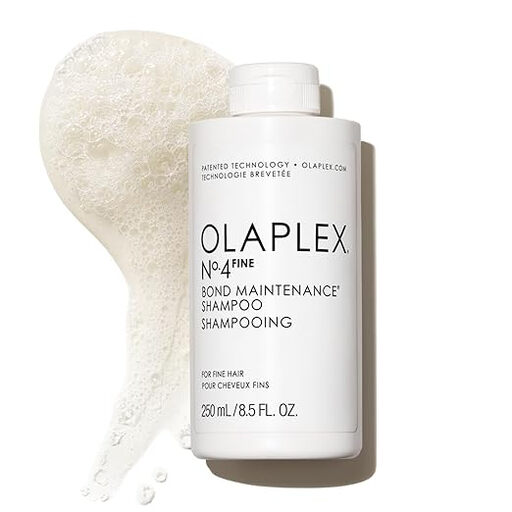
Why This Fits Their Persona: Designed specifically for fine hair, it suits shoppers seeking a lightweight bond-maintenance shampoo that does not prioritise a heavy, rich finish.
The product is labelled for fine hair and uses a concentrated formula, helping reduce the risk of choosing a dense shampoo that may flatten the roots.
Vegan and colour-safe; formulated without proteins, silicones, sulphates, phthalates or parabens according to the product information.
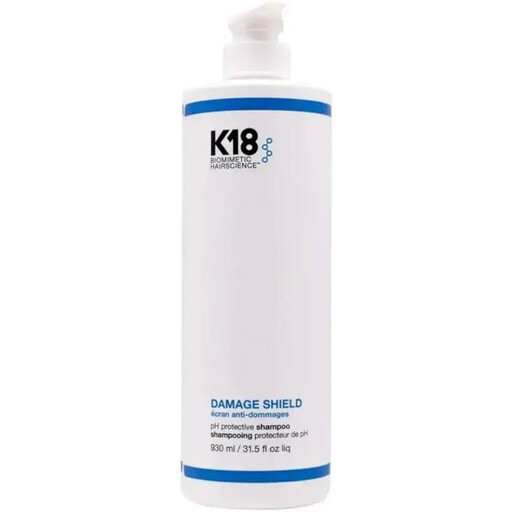
Why This Fits Their Persona: The large 930ml size is practical for frequent washing, shared bathrooms or shoppers building a regular damaged-hair maintenance routine.
The product information focuses on mild cleansing and maintenance rather than promising that one wash will reverse all damage.
Contains sh-oligopeptide-78, panthenol and glycerin; large-capacity packaging reduces the frequency of repurchasing.
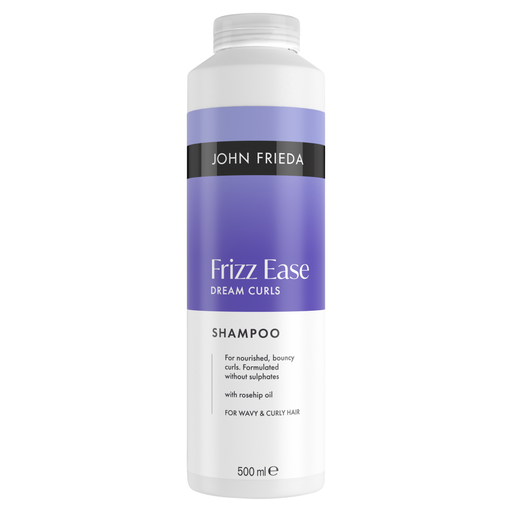
Why This Fits Their Persona: A 500ml shampoo for curly and wavy hair, suitable for shoppers prioritising moisture retention, detangling and frizz control in damp UK weather.
It is explicitly positioned for curls and waves, rather than asking shoppers to adapt a generic anti-frizz shampoo to textured hair.
Sulphate-free and vegan; includes rosehip oil, panthenol and curl-focused conditioning ingredients.
We have compiled a complete, real-time list of products that fully satisfy these strict selection criteria and UK safety regulations.
It can be a suitable category for bleached, coloured or chemically treated hair, especially when the formula also provides conditioning and gentle cleansing. Check the label for colour-safe information, fragrance ingredients and the recommended companion products. No shampoo can replace professional advice for severe scalp symptoms or extensive breakage.
This depends on scalp oil, exercise, styling product use and hair texture. Some people wash daily, while dry or curly hair may need less frequent cleansing. Start with the frequency that keeps the scalp comfortable and adjust if the lengths become rough, greasy or weighed down.
Not necessarily. Compare the price per 100ml, the amount needed per wash and whether the formula is concentrated. A 930ml bottle may be convenient for regular users, but a smaller bottle can be more economical if you need less product or are still deciding whether the formula suits your hair.