
24/7 Customer Support

Free returns

Same-day & Next-day Delivery

Quality Guaranteed

Unlock Your Welcome Offers: FREE Delivery | Up to 80% OFF | Free 30-day JoyPlus trial
Download the APP
By Joybuy Product Recommendation Officer
Dealing with frizzy, unmanageable hair is a common frustration, especially with the UK's notoriously humid weather. You invest in a promising new shampoo for frizzy hair, hoping for smooth, glossy locks, only to find your hair feels weighed down, greasy or just as unruly as before. The search for an effective smoothing shampoo can feel endless and expensive.
Before you add another disappointing bottle to your collection, it's important to recognise the common purchasing pitfalls that lead to buyer's remorse. Many products promise the world but fail to deliver a genuine, long-term solution.
To find a product that genuinely works for your hair, you need to look beyond the marketing claims on the front of the bottle. Here are the core parameters to check.
The foundation of any shampoo is its cleansing agent. Understanding the difference is crucial for managing frizz.
An effective anti-frizz shampoo UK residents need will contain ingredients that hydrate the hair and seal the cuticle to block out humidity. Look for these on the ingredients list:
Instead of a one-size-fits-all approach, we've matched some promising options to specific user needs and hair types.
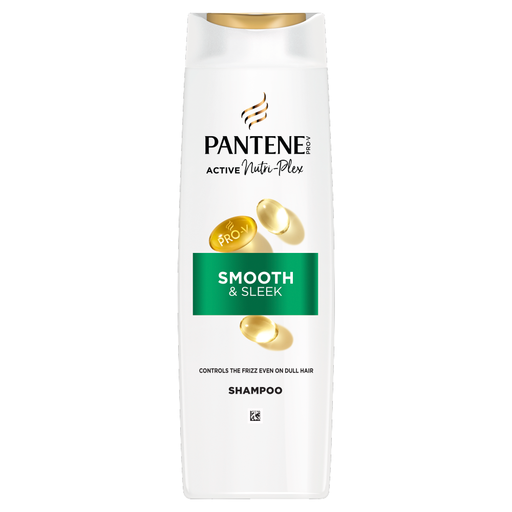
Why This Fits Their Persona: This is a straightforward and accessible option for anyone seeking reliable, everyday frizz control without a hefty price tag. It's designed to gently cleanse while infusing hair with nutrients for a smoother finish, making it a practical choice for daily management of unruly hair.
While it contains effective cleansing agents, the formula is balanced with Pro-V nutrients to replenish moisture, avoiding the overly stripping effect that can worsen frizz. It is also free from silicones, mineral oils and colourants, steering clear of the heavy build-up trap.
Formulated with Active Nutri-Plex technology to help protect hair bonds against styling damage. Aims to leave hair touchably soft and shiny.
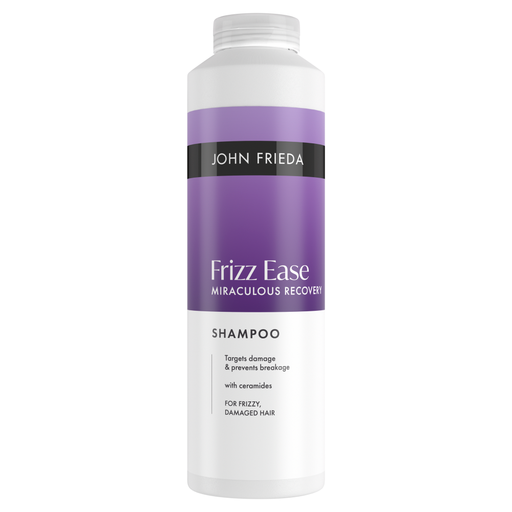
Why This Fits Their Persona: Ideal for those whose frizz is a direct result of heat styling, colouring or chemical treatments. This user needs more than just surface-level smoothing; they require a formula that actively works to repair the hair's structure and strengthen it against future damage.
Instead of just masking frizz, this shampoo targets the root cause by infusing hair with Ceramides. These lipids help to mend the hair's natural moisture barrier, providing genuine repair rather than a temporary silicone coating.
Aims to repair visible signs of damage from the first wash and provides humidity protection. The formula is also vegan-friendly.
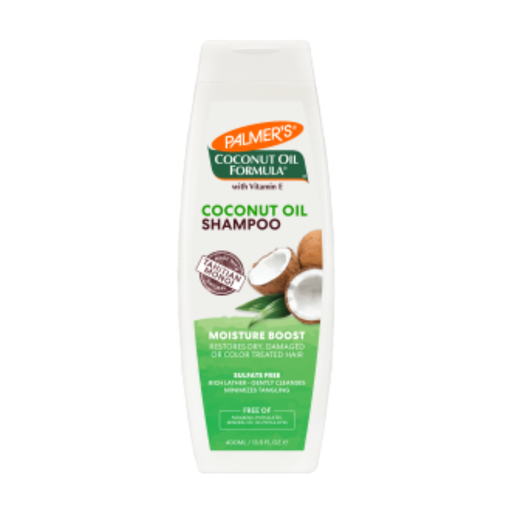
Why This Fits Their Persona: This user prioritises gentle formulas and natural ingredients. They are likely to have dry or colour-treated hair and want to avoid harsh detergents that can strip moisture. A sulphate-free smoothing shampoo is their primary goal.
This shampoo directly addresses the sulphate misconception by offering a gentle, sulphate-free cleansing system. It relies on natural moisturisers like Coconut Oil and Tahitian Monoi to nourish the hair, rather than synthetic quick-fixes.
Gently cleanses without stripping natural oils, helping to minimise tangling. The formula is free of parabens, phthalates, mineral oil and dyes.
We have compiled a complete, real-time list of products that fully satisfy these strict selection criteria and UK safety regulations.
For most people, washing 2-4 times a week is sufficient. Over-washing, even with a gentle shampoo, can strip the natural oils that help to control frizz. If your hair is particularly oily or you exercise daily, you may need to wash more frequently. In that case, consider alternating with a co-wash (a conditioning cleanser) to give your hair a break.
This is a common concern and a valid one. If you have fine hair, avoid shampoos with very heavy oils or butters listed high in the ingredients. Look for lightweight formulas that mention "volume" or are specifically designed for "fine, frizzy hair." A shampoo with strengthening proteins like keratin or amino acids can also help give fine hair more structure without weighing it down.
While not strictly necessary, it is highly recommended. Shampoos and conditioners from the same line are formulated to work together. The shampoo cleanses and prepares the hair, while the conditioner is designed to deliver a complementary set of moisturising and smoothing ingredients to seal the cuticle and complete the anti-frizz process. Using a matched set often yields better and more consistent results.