
24/7 Customer Support

Free returns

Same-day & Next-day Delivery

Quality Guaranteed

Unlock Your Welcome Offers: FREE Delivery | Up to 80% OFF | Free 30-day JoyPlus trial
Download the APP
Navigating the shampoo aisle can feel overwhelming. With countless bottles promising miraculous transformations, it's easy to end up with a product that doesn't suit your hair or, worse, exacerbates your concerns. As a Joybuy Product Recommendation Officer, my role is to help you see past the marketing jargon and make an informed choice. Before you add another bottle to your basket, let's look at the common purchasing pitfalls that many UK shoppers fall into.
To choose wisely, you need to understand what you're looking for. Focus on these key elements to match a shampoo to your hair's needs.
The primary job of a shampoo is to clean, and this is done by surfactants. The type of surfactant determines how strong the cleanse is.
Beyond cleansing, specific ingredients are added to address particular concerns.
Based on these practical criteria, here are some recommendations tailored to specific user needs across the UK.
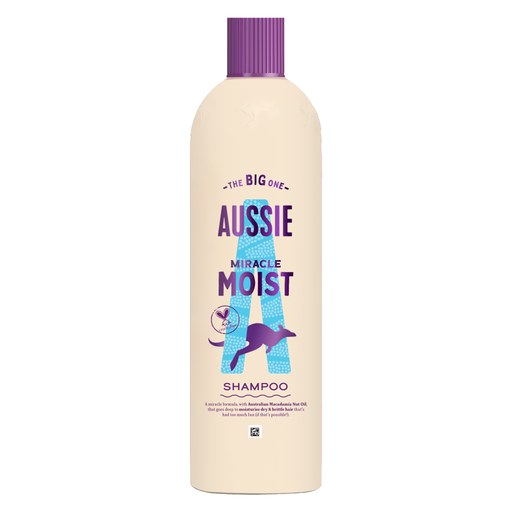
Why This Fits Their Persona: This user struggles with hair that feels constantly dry, brittle or damaged from styling. They need a reliable, moisture-rich formula for regular use that delivers noticeable softness without a premium price tag.
It avoids the "exotic ingredient" trap by focusing its entire purpose on moisture. The Australian Macadamia Nut Oil is central to its function, not just a marketing footnote.
Its moisture-quenching formula is specifically designed to revive dry hair, leaving it feeling soft and smooth. It is also recognised by PETA as cruelty-free.
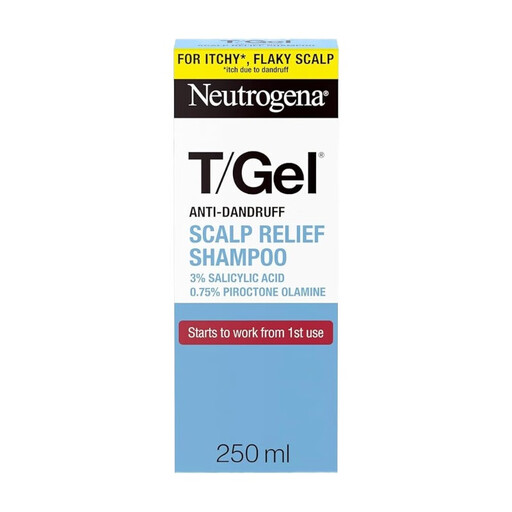
Why This Fits Their Persona: This individual is tired of generic anti-dandruff shampoos that don't work. They need a targeted solution for an itchy, flaky or oily scalp that prioritises scalp health over fragrance or cosmetic effects.
It sidesteps the "one-size-fits-all" trap by being an unapologetically specific product. Its purpose is clear from the name and the ingredients list, focusing on function over broad appeal.
The formula contains Salicylic Acid and Piroctone Olamine, two active ingredients known for their effectiveness in combating scalp impurities and dandruff.
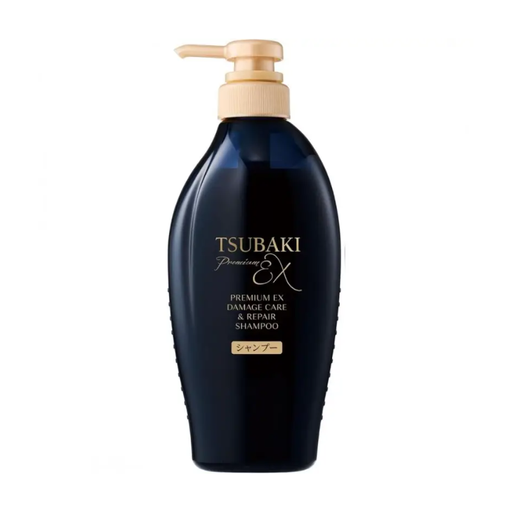
Why This Fits Their Persona: This user has chemically treated, heat-styled or significantly damaged hair. They are looking for a salon-quality repair experience at home and are willing to invest in a product with advanced formulation for visible results.
It justifies its premium ingredients by explaining their function. The "ionic repair" technology is presented as a mechanism for restoring hair structure, moving beyond simple marketing claims.
The formula uses ionic repair ingredients that bond with damaged strands to help restore hair from within. It also contains a complex of camellia oil, royal jelly and soy protein for deep nourishment.
We have compiled a complete, real-time list of products that fully satisfy these strict selection criteria and UK safety regulations.
This depends entirely on your hair and scalp type. Those with an oily scalp or very fine hair may find they need to wash daily to prevent hair from looking greasy. If you have a shampoo for dry hair or curly hair, washing every two to four days is often sufficient to avoid stripping natural oils.
A clarifying shampoo is a deep-cleansing formula designed to remove stubborn buildup from styling products, hard water minerals and chlorine. It's like a reset button for your hair. Most people don't need to use one for every wash. Using it once a week or once a fortnight is usually enough to keep your hair feeling fresh and responsive to your regular products.
Not necessarily. While a sulphate-free shampoo is an excellent choice for anyone with a sensitive scalp, very dry hair or colour-treated hair (as it helps preserve the colour), it may not be effective for everyone. If you have a very oily scalp or use a lot of silicone-based styling products, a shampoo with sulphates might be necessary to get your hair and scalp properly clean.