
24/7 Customer Support

Free returns

Same-day & Next-day Delivery

Quality Guaranteed

Unlock Your Welcome Offers: FREE Delivery | Up to 80% OFF | Free 30-day JoyPlus trial
Download the APP
Choosing shampoo for hair and scalp care is not simply a matter of picking the most attractive bottle. UK shoppers need to match the formula to their scalp condition, hair texture, colour needs and washing routine. A shampoo that works well for an oily scalp may feel uncomfortable on dry or sensitive skin, while a toning formula can leave unwanted colour if it is used too frequently.
This guide explains the main buying pitfalls, the product details worth checking and suitable options for different households and hair concerns.
A clarifying shampoo or detox shampoo is designed to remove excess oil, styling residue and environmental build-up. However, a stronger cleansing formula may not be necessary for every wash. Using one too frequently can leave hair feeling dry or tight, particularly when the scalp is already sensitive.
Look for clear usage instructions. A detox shampoo may be more suitable occasionally, after heavy styling or when build-up is noticeable, while a pH-balanced shampoo may be more practical for regular washing.
A purple shampoo contains violet pigment to counteract yellow or brassy tones in blonde, highlighted or grey hair. It is not normally intended to replace a regular cleansing shampoo at every wash. Leaving it on for too long or applying it too often may create an uneven violet or dull appearance.
Check the recommended contact time and whether gloves are advised. For example, toning shampoos in this category specify different timings for grey, blonde and highlighted hair.
Terms such as “natural”, “sulphate-free” and “sensitive scalp” describe formula features, not a guarantee that irritation will never occur. Essential oils, fragrance, menthol, colourants and certain preservatives may still be unsuitable for some users.
Read the full ingredient list, particularly if you have previously reacted to fragranced products. Stop using a formula if persistent redness, swelling, itching or burning occurs and seek appropriate medical advice where necessary.
Surfactants create the lather that lifts oil and dirt. Some shoppers specifically look for a sulphate-free shampoo, while others prefer stronger cleansing for an oily scalp or frequent product build-up. Neither choice is automatically suitable for every person.
A shampoo containing salicylic acid or charcoal may be positioned for scalp purification, but this does not mean it should be used daily. A mild cleansing system with ingredients such as glucosides or amino-acid-derived surfactants may be more appropriate for frequent washing.
For visible flakes, compare an anti-dandruff shampoo by checking its listed active ingredients and directions. Products in this selection include piroctone olamine or salicylic acid. These ingredients are intended for specific cleansing or flake-care purposes, but product descriptions should not be treated as medical diagnoses or guarantees.
For a shampoo for sensitive scalp, consider fragrance, menthol, essential oils and exfoliating ingredients as well as the cleansing agents. A small patch test can help identify obvious sensitivity before full use.
Blonde, grey and colour-treated hair often requires a different approach from untreated hair. A shampoo for blonde hair may be designed to brighten or gradually lighten, whereas a purple shampoo is intended to neutralise warm tones. A shampoo for grey hair may focus on toning, grey reduction or gentle cleansing.
Also compare capacity. A 930ml bottle may suit a salon, shared household or frequent user, while a 118ml bottle may be more appropriate for occasional colour maintenance. Check the packaging for current ingredients, storage instructions and shelf-life information.
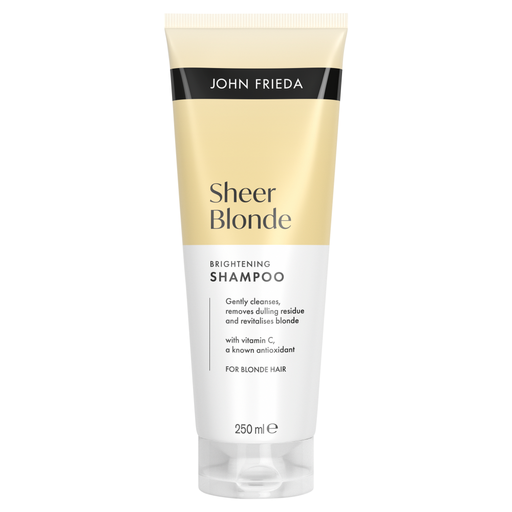
Why This Fits Their Persona: A manageable 250ml size for shoppers starting a blonde hair-care routine or testing a brightening formula at home.
Its description states that gradual lightening is intended when used with the wider Sheer Blonde routine, rather than promising an instant colour change from shampoo alone.
Vegan and silicone-free; suitable for natural and colour-treated blonde hair according to the product information.
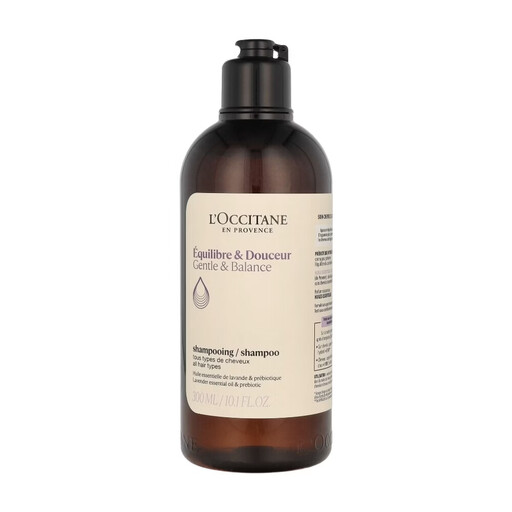
Why This Fits Their Persona: Suitable for shoppers seeking a daily shampoo with a fragrance-led washing experience and a silicone-free, sulphate-free formula.
The formula and ingredient list are clearly provided, allowing fragrance-sensitive shoppers to check essential oils and perfume before ordering.
Listed as vegan, silicone-free and sulphate-free, with panthenol and a prebiotic sugar complex in the formula description.
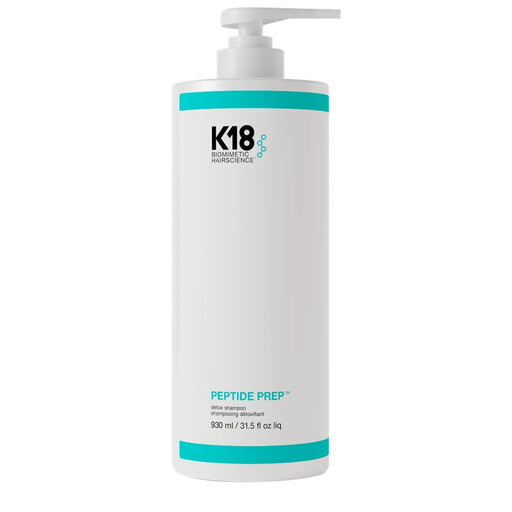
Why This Fits Their Persona: The large 930ml format suits salons, shared households and people who regularly deal with styling residue or excess oil.
It is presented specifically as a detox formula, so shoppers can reserve it for build-up rather than mistakenly treating deep cleansing as an everyday requirement.
Includes charcoal powder and salicylic acid; the description also lists panthenol, glycerin and oligopeptide.
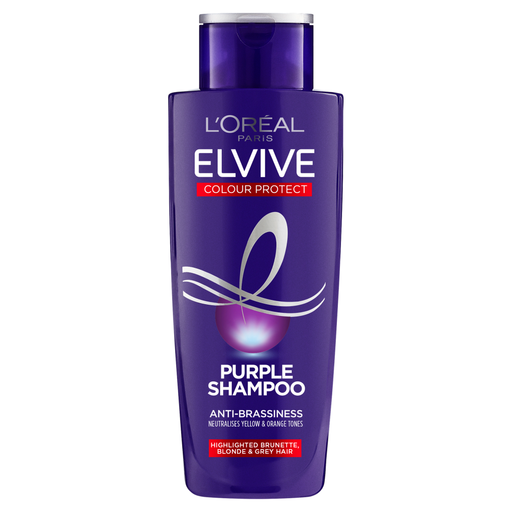
Why This Fits Their Persona: A compact choice for blonde, highlighted, brunette-highlighted, grey or silver hair where unwanted warm tones are the main concern.
The directions specify weekly use and different leave-on times, helping shoppers avoid applying a pigment-rich formula as their ordinary daily shampoo.
Contains violet pigment and provides stated timings of one to three minutes for general use, with longer timing noted for some highlighted hair.
We have compiled a complete, real-time list of products that fully satisfy these strict selection criteria and UK safety regulations.
The suitable frequency depends on oil production, exercise, styling products, hair texture and scalp comfort. A gentle daily formula may suit frequent washing, while a clarifying or detox shampoo is generally better reserved for occasional build-up. Follow the individual product directions rather than increasing use to obtain faster results.
It can be suitable for grey or silver hair when the aim is to reduce yellow or warm-looking tones. Start with the shortest recommended contact time and use it intermittently. Always rinse thoroughly and stop if the scalp becomes uncomfortable or the colour appears uneven.
Not necessarily. Compare the price per 100ml and the amount used per wash. A 930ml bottle can reduce repurchasing for a salon or large household, but a smaller bottle may create less waste if the formula is only used occasionally or if several household members need different products.