
24/7 Customer Support

Free returns

Same-day & Next-day Delivery

Quality Guaranteed

Unlock Your Welcome Offers: FREE Delivery | Up to 80% OFF | Free 30-day JoyPlus trial
Download the APP
Choosing shampoo can seem straightforward until you are faced with sulphate-free formulas, colour-protecting claims, anti-dandruff ingredients and products designed for specific hair colours. The right choice depends less on attractive packaging and more on how well the formula matches your scalp, hair condition and washing routine.
A sulphate-free shampoo may be useful for colour-treated or dry hair, but it is not automatically the right option for a greasy scalp. Some mild formulas may not provide the cleansing feel you prefer if you use styling products or wash infrequently.
Likewise, a shampoo containing stronger cleansing agents is not necessarily unsuitable. The practical question is whether it leaves your scalp comfortable rather than tight, itchy or excessively oily soon after washing.
Purple shampoo and silver shampoo use colour pigments to help visually counter unwanted yellow or warm tones. They do not replace professional colouring and results vary according to your starting shade, porosity and how often you use the product.
A toning shampoo should also be used according to its directions. Leaving a pigmented formula on too long or using it too frequently may produce an uneven-looking tone, particularly on porous sections of blonde, grey or bleached hair.
Terms such as “strengthening”, “moisturising” and “repairing” describe the intended hair-care benefit, not a guarantee that damaged hair will be restored. Hair that is already dry or chemically treated may still need a conditioner, mask or leave-in product.
Before buying, check the full ingredient list, fragrance information, usage instructions and warnings. Ingredients and allergens can change, so the packaging supplied with your order should take priority over older online descriptions.
If you have colour-treated hair, a colour-protecting shampoo or sulphate-free shampoo may help you choose a cleansing routine that feels less stripping. Color Wow Color Security Shampoo, for example, uses a sulphate-free cleansing system and is described as suitable for colour-treated and sensitive hair.
However, “sulphate-free” does not mean residue-free by default. Look for directions that address oil and product build-up, particularly if you use dry shampoo, hairspray or styling creams.
For dandruff-prone scalps, check whether the formula contains an ingredient specifically intended for dandruff care, such as piroctone olamine. Head & Shoulders products in this guide list piroctone olamine and provide directions for regular use.
For dry or flaky scalps, a dry scalp shampoo with humectants such as glycerin or panthenol may support a more comfortable washing routine. E45 Dry Scalp Shampoo includes Pro Vitamin B5 and is fragrance-free, soap-free and perfume-free according to its product information.
If your priority is brittle or processed hair, a strengthening shampoo may include conditioning polymers, proteins or bond-maintenance technology. These ingredients can improve the feel and manageability of the hair, but they should not be treated as a substitute for reducing heat or chemical damage.
A purple shampoo is generally aimed at blonde hair with unwanted yellow tones, while a silver shampoo is commonly selected for grey, white or silver-toned hair. John Frieda Violet Crush Purple Shampoo contains violet pigments and advises leaving the lather on for one minute. John Frieda Shimmering Silver Shampoo is designed for silver, grey and white hair and uses colour pigments to neutralise warm-looking tones.
For naturally blonde or colour-treated blonde hair, a brightening shampoo may be more suitable than a toning product. Always check whether the product is intended to lighten gradually, neutralise warmth or simply enhance shine.
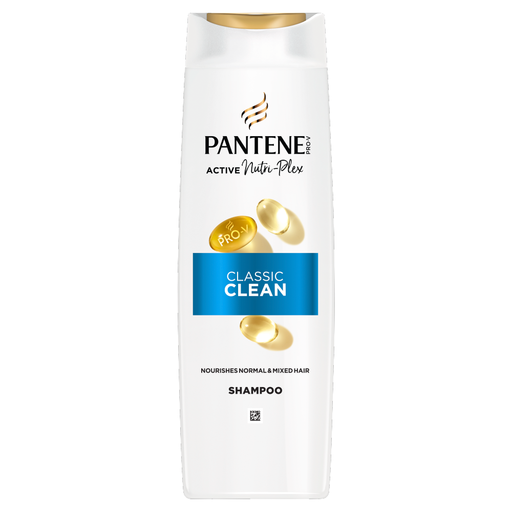
Why This Fits Their Persona: A straightforward everyday option for shoppers with normal or mixed hair who want a familiar cleansing routine without selecting a specialist scalp formula.
Its intended use is clearly stated for normal and mixed hair, helping avoid paying for a targeted formula you may not need.
325ml bottle; contains panthenol and is listed without mineral oils or colourants.
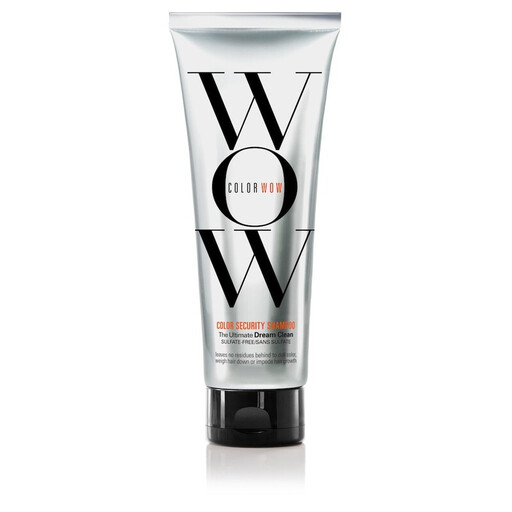
Why This Fits Their Persona: A considered choice for people who colour their hair, use extensions or want a sulphate-free routine focused on cleansing without leaving noticeable residue.
The sulphate-free positioning is supported by a listed multi-surfactant formula, rather than relying only on front-label wording.
250ml size; suitable for colour-treated hair and listed as sulphate-free.
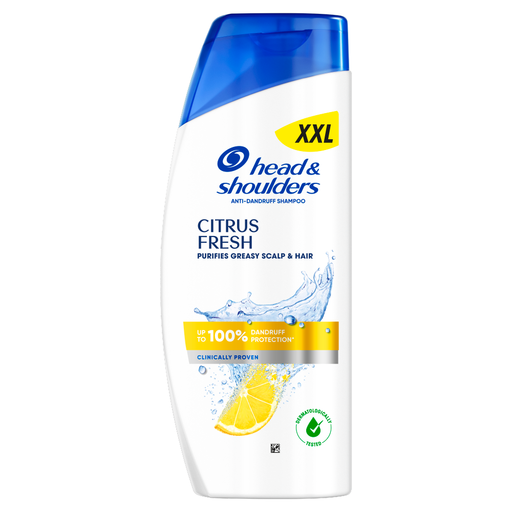
Why This Fits Their Persona: Designed for shoppers managing greasy hair alongside dandruff concerns, particularly households wanting a larger bottle for regular washing.
It identifies both greasy hair and dandruff in its intended use, rather than making a general “freshness” claim without a specific focus.
750ml format; lists piroctone olamine and directions for regular use.
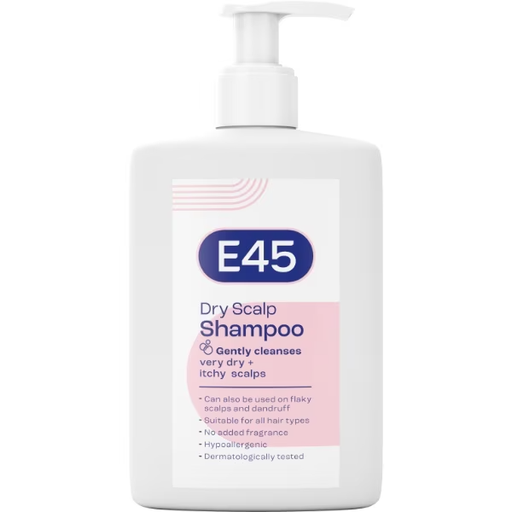
Why This Fits Their Persona: Suitable for shoppers prioritising a fragrance-free, hypoallergenic formula for dry, itchy or flaky scalp concerns.
The formula information makes its fragrance-free and perfume-free positioning clear, helping sensitive-scalp shoppers screen out avoidable irritants.
Contains panthenol and glycerin; labelled for everyday use across hair types.
We have compiled a complete, real-time list of products that fully satisfy these strict selection criteria and UK safety regulations.
If your scalp irritation, flaking or itching persists despite changing products, seek advice from a GP or pharmacist. Shampoo can support a washing routine, but it should not be treated as a medical solution.
There is no universal schedule. Greasy hair may feel comfortable with frequent washing, while dry, curly or textured hair may need less frequent cleansing. Follow the product directions and adjust according to scalp comfort, oiliness and styling-product build-up.
Purple shampoo is mainly used to counter yellow-looking tones in blonde hair, while a silver shampoo is usually formulated for grey, white or silver-toned hair. Check the product description and begin with less frequent use if your hair is porous or freshly coloured.
Cost depends on the bottle size, quantity used and washing frequency rather than the sulphate-free label alone. Compare the price per 100ml and use a small amount applied directly to the scalp to avoid unnecessary product waste.