
24/7 Customer Support

Free returns

Same-day & Next-day Delivery

Quality Guaranteed

Unlock Your Welcome Offers: FREE Delivery | Up to 80% OFF | Free 30-day JoyPlus trial
Download the APP
Choosing Shan masala spice mixes can make Pakistani and Indian cooking more convenient, but a colourful packet does not always tell you what matters. UK shoppers can waste money on blends that do not match the intended dish, packs that season fewer portions than expected or products with allergens that are easy to overlook.
This guide explains the practical checks to make before buying, followed by tailored recommendations for different cooking habits.
“Curry seasoning” is a broad description. A biryani masala is designed for rice-based dishes, while chicken tikka masala usually works as a marinade or barbecue seasoning. Chaat masala has a tangy, salty profile for snacks, salads and yoghurt, and is not a direct substitute for a korma curry mix.
Check the cooking method and intended ingredients on the packet. A recipe mix should tell you whether it is suitable for chicken, meat, chickpeas, rice, vegetables or fried snacks.
Small sachets can be convenient, but the pack size does not automatically indicate how many portions it makes. For example, the Shan 60g Biryani Sindi Masala is described for approximately 1kg of meat and 750g of rice, serving around eight people when used according to its instructions.
Compare the stated quantity with your usual household meal. Buying several single-use sachets may be practical for occasional cooking, while a larger pack may suit families who prepare Pakistani food regularly.
Statements such as “free from artificial colours” do not mean a product is free from all allergens or additives. Several Pakistani spice mixes contain or may contain soya, mustard, sesame, wheat, milk, sulphites or tree nuts. Some blends also have a relatively high salt content because salt is part of the seasoning formula.
Always read the current UK packaging, including bold allergen declarations and precautionary “may contain” wording. Product formulations can change, so an old online description should not replace the label supplied with your order.
Select according to the meal you plan to cook:
This distinction helps prevent an expensive packet from sitting unused because its flavour profile does not suit your regular recipes.
Look for the full ingredient list rather than relying on front-of-pack images. Wheat and soya are particularly relevant for shoppers buying kebab, tikka or fried snack mixes. Shan Masala Spring Roll Mix, for example, lists sesame, mustard and soya and notes traces of gluten and lactose.
For households managing allergies or intolerances, check every packet before use. Products made in shared facilities can carry precautionary allergen statements even when an allergen is not a primary ingredient.
Most dry Pakistani spice mixes should be stored in a cool, dry place away from moisture and direct sunlight. Reseal opened packets or transfer the contents to an airtight container to protect aroma and prevent clumping.
These products are seasoning ingredients, not ready-to-eat meals. Follow the packet method and cook meat, rice and other ingredients thoroughly. Frozen accompaniments require separate handling: Mon Salwa Royal Paratha should remain frozen at -18°C or below, must be cooked thoroughly from frozen and should not be refrozen after defrosting.
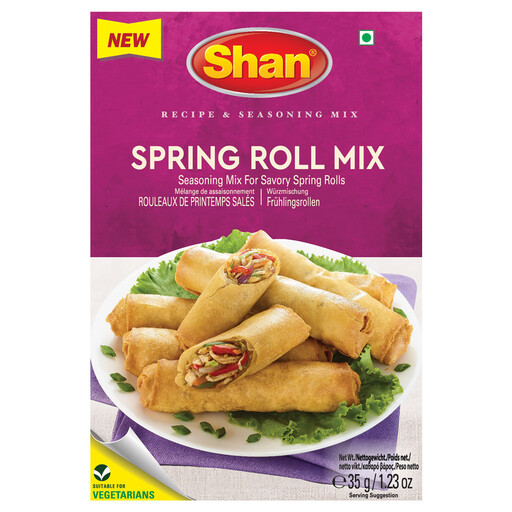
Why This Fits Their Persona: A compact option for UK cooks trying South Asian-inspired snacks without committing to a large pantry collection. It can season vegetable, chicken or prawn fillings.
Its intended use is clearly defined, reducing the risk of buying a generic curry powder for a snack recipe.
35g pack; includes sesame, cumin, coriander and paprika; free from artificial colours according to the supplied product information.
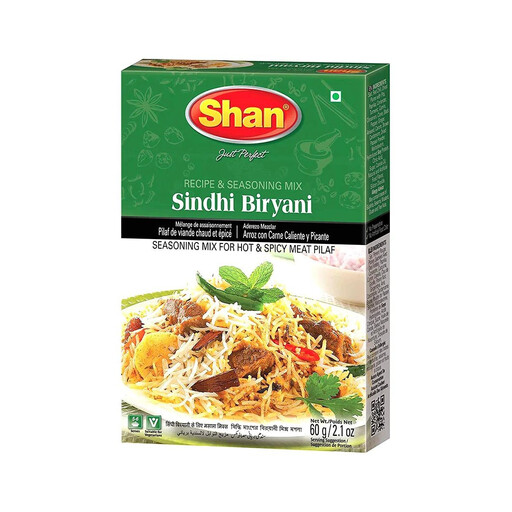
Why This Fits Their Persona: Suitable for shoppers who want a clearly portioned blend for a traditional rice-centred meal and value a defined recipe format.
The stated rice and meat quantities make it easier to judge value before purchase rather than guessing from pack size.
60g format; includes dried plum, chilli, paprika, coriander, turmeric and cumin; made in Pakistan according to the supplied information.
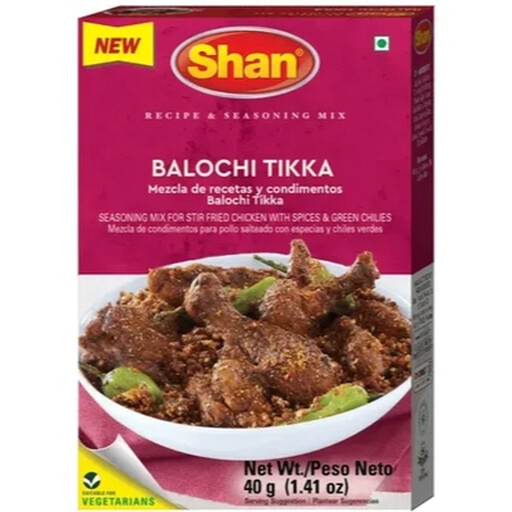
Why This Fits Their Persona: A practical choice for BBQ enthusiasts and families preparing grilled chicken for gatherings, weekends or outdoor cooking.
It is made for a named BBQ-style dish and lists a stated quantity of seasoning for 1kg of chicken.
40g pack; suitable for grilling, pan-frying or oven-baking; contains soya and has a stated high salt content to consider.
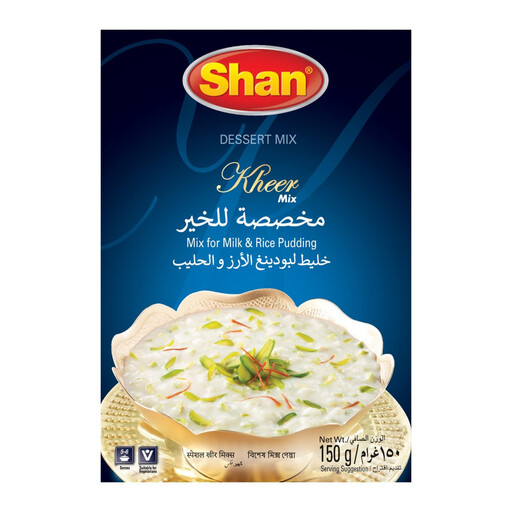
Why This Fits Their Persona: Useful for dinner hosts and families wanting a South Asian dessert alongside savoury dishes, without buying numerous separate ingredients.
It is a dedicated dessert mix rather than a savoury seasoning marketed for multiple unrelated recipes.
150g pack; includes rice, pistachio, green cardamom and saffron; clearly identifies pistachio as a tree-nut allergen.
Once you have selected the main seasoning, complementary ingredients can make the meal easier to serve. Frozen paratha works with nihari, chana masala and kebabs, while Shan Crushed Pickle adds a tangy side for rice, roti or paratha. For snack menus, consider Chaat Masala, spring roll seasoning or Chicken Lollypop Mix. Dessert mixes such as Rasmalai can round off a family meal or celebration.
For further Pakistani cooking ingredients and authentic Pakistani food products, browse the wider Pakistan food range.
We have compiled a complete, real-time list of products that fully satisfy these strict selection criteria and UK safety regulations.
Many are designed as recipe and seasoning mixes with instructions printed on the packaging. Beginners should still check the required meat, rice, yoghurt, oil or vegetables, as well as the stated serving quantity and cooking time.
Keep dry mixes in a cool, dry cupboard away from sunlight and moisture. Reseal the original packet or use an airtight container. Always follow the storage and best-before information on the current packaging.
Some products contain or may contain allergens including wheat, soya, milk, sesame, mustard, sulphites and tree nuts. For example, the spring roll mix lists sesame, mustard and soya, while the kheer mix identifies pistachio. Check the label every time, particularly when cooking for guests.