Choose a console, PC or tablet according to how children will share it and which accounts and controls the household can manage. A console provides a dedicated gaming device, but rules may apply per child or across the whole console; connected Windows, Xbox and Android devices can share Microsoft app and game limits, while tablet controls depend on the child’s account and device. Check online communication settings before buying, especially if children will use voice chat or play with people they do not know.
Who this is for
Families managing children’s online social play
When games involve messages, voice chat or playing with people outside a child’s offline friendship group, account ages and communication settings matter alongside the device. Ofcom and UK government online-safety guidance identify contact with other players as a consideration in children’s gaming.
Households where several children share one device
Children of different ages may need different rules. The distinction between child-account settings and console-wide restrictions matters particularly on a shared device: Nintendo says its Switch parental controls apply to the whole console.
Families managing more than one device
If a child games across a PC, console and mobile device, check where each control applies. Microsoft documents app and game limits across connected Windows, Xbox and Android devices; Apple and Google describe different account and device requirements for their family controls.
What matters when choosing
Choose the main device and its child-account setup before deciding whether a controller or headset would help. Accessories do not replace communication and privacy settings.
Games console
Consider it when: Gaming will centre on one household device.
Check the rules: PlayStation documents child-member settings, whereas Nintendo says Switch parental controls apply to everyone using the console.
Windows gaming PC
Consider it when: The household also needs a computer and wants app and game limits across connected Windows, Xbox and Android devices.
Check the setup: Microsoft’s web and search filters require a supported browser and a signed-in Microsoft account.
Tablet
Consider it when: Portable, app-led play suits the household and each child can use an appropriately managed account.
Check the scope: Apple’s Screen Time setup requires Family Sharing and separate Apple Accounts; Google says its Android content restrictions apply on the device where they are set.
| Concern | What to check | Who this matters to |
|---|
| Online communication and age settings |
Check the child account’s voice, text and friend settings, including controls within the games they will use. For a child under 16 using Switch 2 GameChat, Nintendo requires its parental-controls smart-device app. |
If my child will talk or play with people I do not know, I want to decide which contacts and chat features are available. Around 36% of consumers put communication and age-appropriate access first. |
| Rules for a shared device |
Find out whether restrictions apply per child account or to the whole device. Nintendo says Switch parental controls are console-wide; PlayStation documents child-member settings. |
When children of different ages take turns, I need rules that work for each of them without assuming they all have the same permissions. Shared-device rules come first for around 29% of consumers. |
| Controls across devices |
List the devices and accounts the child uses. Microsoft app and game limits cover connected Windows, Xbox and Android devices; its web filters also require a supported browser and sign-in. |
If gaming moves between our computer, console and mobile device, I want to know which limits follow the child and which need separate setup. Around 21% of consumers prioritise cross-device management. |
| Portable, app-led play |
Confirm the child-account requirements and where app or content restrictions take effect. Apple requires separate accounts in Family Sharing; Google says Android content restrictions apply on the device where they are set. |
When play needs to happen away from the main television or computer, I want portable access without using an adult account. For around 14% of consumers, that supervised tablet use is the primary need. |
Common buying mistakes
-
Assuming every child gets separate restrictions on a shared console
Nintendo says Switch parental controls apply to the whole console. Rules chosen for a younger child can therefore affect older children using the same device.
Decide whether one common rule set will work before buying; if children need separate settings, check the platform’s child-account model.
-
Assuming controls follow a child into every browser and device
Microsoft web filtering requires a supported browser and a signed-in account, while Google says Android content restrictions apply on the device where they are set.
Check the child’s actual devices, browsers and accounts, then set up the relevant controls on each one.
-
Treating a game’s age rating as an online-safety setting
PEGI ratings help families choose age-appropriate games, but they do not set a child’s voice-chat, messaging or privacy permissions.
Check the rating when choosing a game, then review communication, friend and reporting settings on the platform and in the game.
Relevant brands to consider
Microsoft
Relevant to households using a Windows PC alongside connected Xbox or Android devices.
- Microsoft Family Safety documents app and game limits across connected Windows, Xbox and Android devices.
- Its web and search filters require supported browsers and signed-in Microsoft accounts.
PlayStation
Relevant to families considering a console with child-member family settings.
- PlayStation documents settings for games and apps, online communication, playtime and privacy.
- Sony notes that access to some family features depends on the app and that certain web-filtering availability varies by region.
Nintendo
Relevant to households considering a Nintendo Switch or Switch 2 as a shared console.
- Nintendo documents parental controls for playtime and communication, including GameChat supervision on Switch 2.
- Switch parental controls apply to the whole console rather than separately to each player.
Apple
Relevant to iPad gaming managed through Family Sharing and Screen Time.
- Apple documents child settings for apps, content, communication and device use.
- Family Sharing and a separate Apple Account for each family member are required; Apple recommends keeping family devices updated so settings sync reliably.
Google
Relevant to supported Android tablets and Chromebooks supervised through Family Link.
- Google documents app-permission and content management for supported devices.
- Android content restrictions apply on the device where they are set; purchase approvals cover purchases billed through Google Play.
Joybuy console options
These Nintendo Switch 2 options suit households considering the shared-console route. Before choosing either, decide whether console-wide parental controls work for the children who will use it, and check the GameChat setup if online conversation matters.
 No image available
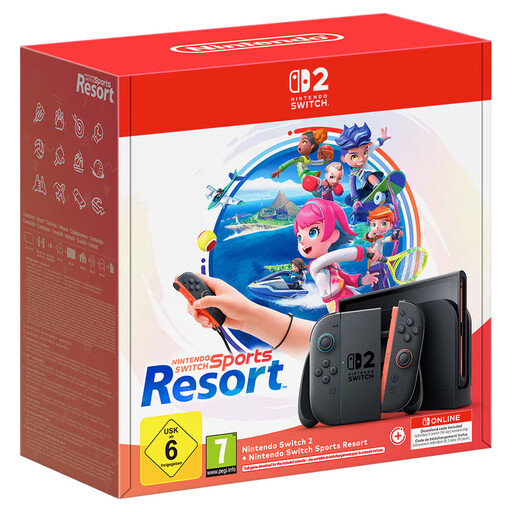
Nintendo Switch 2 Console + Nintendo Switch Sports Resort
For a household choosing a shared console. Nintendo says Switch parental controls apply to everyone using the console; check whether those rules suit each child.
The product title identifies a Nintendo Switch 2 console with Nintendo Switch Sports Resort. If GameChat matters, check its availability and account, membership and parental-approval requirements before buying.
Joybuy
 No image available
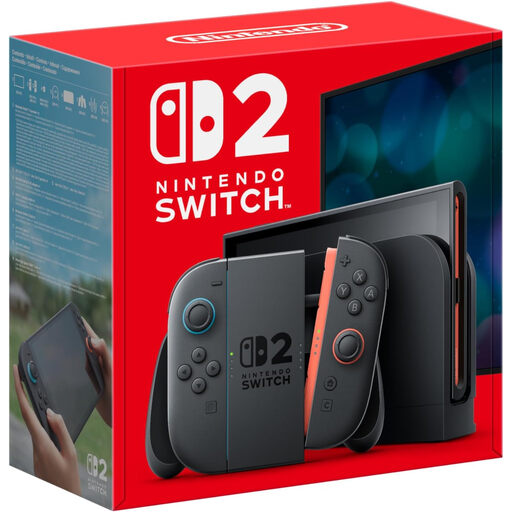
Nintendo Switch 2 Console (UK Version)
For families considering one console for children to share. Nintendo’s console-wide parental controls make it important to agree rules that work for all regular players.
This is the UK Version named in the product title. If a child under 16 will use Switch 2 GameChat, Nintendo requires its parental-controls smart-device app; check availability and any account or membership requirements before buying.
Joybuy
Frequently asked questions
Does each child need a separate account on a shared gaming device?
Use separate child accounts when you need child-specific settings and the platform supports them. Apple requires each Family Sharing member to have their own Apple Account, and PlayStation supports child members; Nintendo says Switch parental controls instead apply to the whole console.
Will a headset or controller make a child’s online play safer?
No: an accessory does not set who a child can contact. Before using voice features, check the child account, platform and game settings for chat, privacy and friend requests.
Is a PEGI rating enough when choosing an online game?
No. PEGI ratings help with age-appropriate game selection, but online communication needs a separate check. Review the game’s chat features and the child account’s communication and privacy settings.


