Who needs this kind of fridge?

Shared-kitchen fresh-food organisers

Housemates who need a recognisable place for covered carrot sticks, salads and other ready-to-eat food alongside everyone else’s groceries. Food Standards Agency and Food Standards Scotland research into UK students found that allocated shelves or drawers were common, but only 21% of respondents reported storing different food types in specific fridge areas.

Space-limited renters

People fitting a fridge beneath an existing worktop who need to check the opening, door clearance and usable chilled space. Freestanding and integrated under-counter formats call for different installation checks.

Households needing fresh and frozen storage

Housemates who need room for carrot sticks and a small frozen-food compartment in one appliance, and can accept the chilled-space trade-off compared with a larder-only layout.

What matters when choosing?

Freestanding larder fridge

Choose it when: The household mainly needs chilled room for covered produce and other fresh food beneath a worktop.

Trade-off: It provides no freezer space in the appliance.

Fridge with an ice box

Choose it when: Housemates need both chilled and frozen storage but have room for only one under-counter appliance.

Trade-off: The frozen compartment takes space that could otherwise be used for fresh food; compare the separate compartment volumes.

Integrated built-under fridge

Choose it when: The kitchen has a compatible appliance housing and furniture-door arrangement.

Trade-off: It cannot be treated as a drop-in replacement for a freestanding fridge; cabinet, hinge and ventilation requirements must match.

Concern What to check Who this matters to
Separated storage Find space for covered, identifiable produce containers away from raw food; check the fridge’s actual temperature with a thermometer. I want carrot sticks I can take straight from the fridge without contact with raw food or other housemates’ groceries. Around 36% of consumers put separated, temperature-checked storage first.
Chilled room and organisation Compare chilled-compartment litres, then check whether shelves and a drawer will fit everyone’s containers. When several people share the fridge, I need enough usable space to keep our food organised. For around 29% of consumers, chilled capacity and layout are the primary concern.
Fit and access Measure the opening and door clearance; check the installation instructions and stated noise figure if the kitchen is close to living space. I need the door to open conveniently without the appliance getting in the way of a busy kitchen. Fit and access come first for around 21% of consumers.
Frozen storage Check chilled and frozen volumes separately, along with the space left for covered produce. If there is no room for a second appliance, I need a small frozen-food section as well as chilled storage. Around 14% of consumers prioritise that combination.

Buying pitfalls to avoid

  • Choosing an ice box when fresh-food room is the priority

    In Bosch’s cited under-counter examples, the KTR15NWEAG larder fridge has 134 L of chilled volume, while the KTL15NWEAG model with a freezer compartment has 106 L. The compartment choice affects how much room remains for housemates’ fresh food.

    If frozen storage is available elsewhere, consider a larder layout. Otherwise, compare the separate chilled and frozen volumes of the models you are considering.

  • Relying on a produce drawer to prevent contamination

    A drawer makes storage easier to organise, but it does not replace a covered container or separation from raw food. Food Standards Agency guidance on food-storage layout highlights the need to control contact between raw and ready-to-eat foods.

    Agree a clear storage arrangement with housemates, keep carrot sticks covered and clean spills promptly.

  • Treating the thermostat dial as a temperature reading

    A control setting does not tell you the temperature inside a loaded fridge. The Food Standards Agency recommends a fridge temperature of 0–5°C.

    Once the appliance has stabilised, check it with a fridge thermometer and adjust the control as needed, particularly when the door is opened frequently.

  • Assuming integrated and freestanding fridges fit the same way

    A built-under fridge needs a compatible cabinet opening, furniture-door hinge arrangement and ventilation provision. Similar-looking external widths do not establish installation compatibility.

    Check the installation document against the kitchen’s measurements and door arrangement before ordering.

    Fitting may also involve cabinet alterations or arranging installation and removal of an existing appliance.

Relevant brands to consider

Bosch

Bosch’s under-counter range includes freestanding larder fridges, models with a freezer compartment and built-under fridges.

  • Bosch specifies 134 L of chilled volume for the KTR15NWEAG larder model and 106 L for the KTL15NWEAG model with a freezer compartment, illustrating the format choice.
  • For a built-under Bosch model, check the exact cabinet and furniture-door requirements rather than using freestanding dimensions as a guide.

Beko

Beko describes freestanding and integrated under-counter fridges in standard and slimline sizes.

  • The range includes models described by Beko as having adjustable shelves and dedicated compartments, which may help a household assign storage areas.
  • Check litres, dimensions, door arrangement and internal layout for the particular model; the range description does not establish those details for every fridge.

Hotpoint

Hotpoint offers freestanding and integrated under-counter formats, including models with a produce drawer.

  • Hotpoint specifies its H55R1 112W freestanding larder fridge at 128 L with a Fresh Zone drawer and adjustable shelves.
  • A produce drawer is an organisational feature, not a guarantee of how long prepared carrot sticks will keep.

Russell Hobbs

Russell Hobbs includes freestanding under-counter larder fridges with manual temperature controls.

  • The RH85UCLF552E1W is specified with 127 L of capacity, a crisper compartment, shelves and door racks.
  • Its stated manual control range is 0–8°C. Check the actual internal temperature with a thermometer rather than assuming a dial position keeps food within the recommended range.

Joybuy fridges for shared kitchens

These products cover freestanding under-counter fresh-food fridges and a built-under option. Compare their fit and usable storage for covered carrot sticks; the built-under model also requires a compatible cabinet installation.

Bosch KUR21VFE0G Series 4 built-under fridge

Bosch KUR21VFE0G Series 4 Built-Under Fridge

Consider this larder-format model if the shared kitchen already has a compatible built-under housing. Bosch specifies 134 L of chilled volume and dimensions of 820 × 598 × 548 mm for the KUR21VFE0G. Check the cabinet opening, furniture-door hinge and ventilation requirements before choosing it.

View on Joybuy
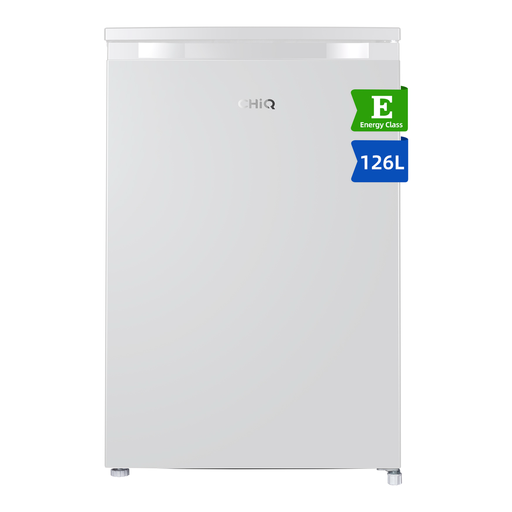
CHiQ JKR120DWE freestanding 126 L larder fridge

CHiQ JKR120DWE 126L Freestanding Larder Fridge

This freestanding larder fridge suits a household seeking chilled storage rather than a freezer compartment. Its product name states 126 L and a 55 cm width. Check the space needed around it and whether its internal layout fits everyone’s covered containers.

View on Joybuy
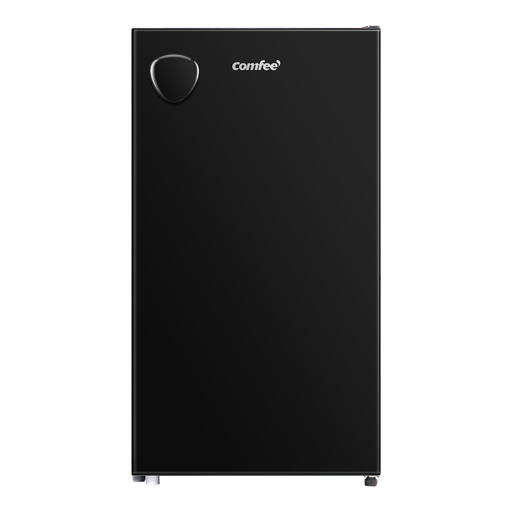
COMFEE' RCD92BL2UKY(E) 88 L under-counter fridge

COMFEE' RCD92BL2UKY(E) 88L Under-Counter Fridge

Consider this compact fridge where the available space is tight, but check that 88 L is sufficient for everyone’s covered food. The product name specifies an adjustable thermostat, reversible door and removable glass shelves. Its cooler box is described for short-term drinks and snacks, so do not plan to use it as the carrot-stick storage area.

View on Joybuy
Hisense RL170D4BWE under-counter larder fridge

Hisense RL170D4BWE 55cm Under-Counter Larder Fridge

This freestanding larder format is worth considering where door access and a place for covered produce matter. Its product name states a 55 cm width. Confirm the exact model’s chilled capacity before deciding whether it will hold the household’s food, as the stated capacity figures conflict.

View on Joybuy

Frequently asked questions

What temperature should a shared fridge be kept at for carrot sticks?

Keep the fridge within the Food Standards Agency’s recommended 0–5°C range. Use a fridge thermometer to check the internal temperature rather than relying on the thermostat number, particularly after installation, heavy loading or frequent door opening.

How should carrot sticks be stored when several people share a fridge?

Put prepared carrot sticks in a clean, covered food-safe container and give them an identifiable place away from raw food. Agreeing which areas are for raw and ready-to-eat foods makes that arrangement easier to maintain as housemates use the fridge.

Do I need a salad drawer for carrot sticks?

No: a drawer can provide a convenient produce area, but a covered container on an assigned shelf can also work if the fridge is kept at the recommended temperature and the food remains separate from raw items. Check the drawer or shelf dimensions against the containers your household uses.

When does an integrated fridge make sense in a shared kitchen?

Choose an integrated fridge when the existing housing, furniture door and ventilation arrangement suit the exact model. Check its installation document and the available chilled space; an appliance of similar external width is not necessarily interchangeable with a freestanding fridge.