Families serving a shared lunch
If several people will eat from one bowl, compare the bag’s net weight and stated servings with the number of eaters. A serving stated on a pack is not a portion recommendation for a particular child.


Choose a sharing bag when everyone can eat the exact flavour and a communal bowl suits the lunch; otherwise, separate packets may be easier to serve. Check the current pack’s ingredients and allergy advice before choosing a flavour, then compare net weight and stated servings rather than assuming every sharing bag serves the same group.
If several people will eat from one bowl, compare the bag’s net weight and stated servings with the number of eaters. A serving stated on a pack is not a portion recommendation for a particular child.
Check vegan, vegetarian and gluten-free statements by flavour, alongside the full ingredients and allergy advice. A claim about one dietary characteristic does not settle every allergy question.
Ask the holiday club or activity provider about its food and allergy policy before sending crisps to share. Individual packets may be easier to keep separate if a communal bowl does not suit its arrangements.
Decide who can eat the crisps and how they will be served before comparing bag sizes and flavours.
| Priority | What to check | Your needs |
|---|---|---|
| Serving format | Compare net weight and any stated servings. A 130g sharing bag, a 150g sharing bag and six separate 25g packets are different formats. | I’m putting out one bowl for the group, or I need packets that can be handed out separately. |
| Allergens | Read the exact flavour’s ingredients, allergen advice and precautionary statements on the current pack. Tyrrells says its Naked crisps may contain milk, despite listing only potatoes and sunflower oil as ingredients. | Someone eating with us has an allergy, so a plain flavour or a vegan label alone will not answer whether the crisps are suitable. |
| Dietary suitability | Check claims for the particular flavour, not just the brand. KETTLE lists its 130g Lightly Salted bag as suitable for vegans and vegetarians; ASDA lists milk in REAL Strong Cheese & Onion. | Our group includes people avoiding animal ingredients or milk, and I need a flavour they can each check against their requirements. |
| Salt and flavour | Compare salt figures per 100g when both packs provide them, then read the seasoning ingredients. Walkers says its Lightly Salted crisps contain 0.67g salt per 100g, but that figure alone does not establish a suitable sharing-bag format. | A lightly seasoned crisp would suit this lunch, or the group specifically wants a cheese-and-onion flavour. |
| Where lunch is served | For a club or school activity, check the organiser’s food and allergy arrangements before sending a communal snack. England’s Department for Education guidance says schools must publish an allergy safety policy addressing known allergens. | Lunch is going to a supervised activity rather than being served at home, so I need to follow that setting’s arrangements. |
Bag weights and labelled servings differ, and neither tells you exactly how much a particular group will eat.
Check the net weight and stated servings, then choose between one bowl and separate packets for the people attending.
A flavour can carry a precautionary allergen statement even when its ingredient list is short. Tyrrells Naked, for example, may contain milk.
Read the current pack’s ingredients and allergy advice before serving, and check the needs of anyone with a known allergy.
Storage instructions differ: ASDA’s REAL Strong Cheese & Onion listing says to consume it immediately once opened, while Tesco’s Pipers Great Berwick Beef listing says to consume it within three days.
Open the bag when you are ready to serve and follow its own instructions for any remainder.
The bag being served is the relevant product when checking its ingredients and allergy advice.
Use listings to compare options, then read the label on the pack you receive before serving it.
These examples illustrate differences between particular flavours and pack formats, not a claim that every product from a brand has the same ingredients or dietary suitability.
Its Lightly Salted product offers a labelled salt figure to compare with other packs.
Naked (no salt) is a plain 150g sharing-bag example.
Lightly Salted provides a 130g sharing-bag option for a simply seasoned flavour.
Its variety multipack is an alternative when separate packets suit the lunch better than one bowl.
Its 150g sharing-bag examples include distinctly seasoned flavours.
Strong Cheese & Onion is a 150g sharing-bag example for a group that wants that flavour.
These options include salted sharing-size bags and a smaller sea salt and vinegar bag. Compare their stated weights with the group you are serving, and check the current pack’s allergy advice before putting any flavour out to share.
 No image available
A 150g ready salted bag to consider when you are serving crisps from a shared bowl. Check the pack’s ingredients and allergy advice for your group.
 No image available
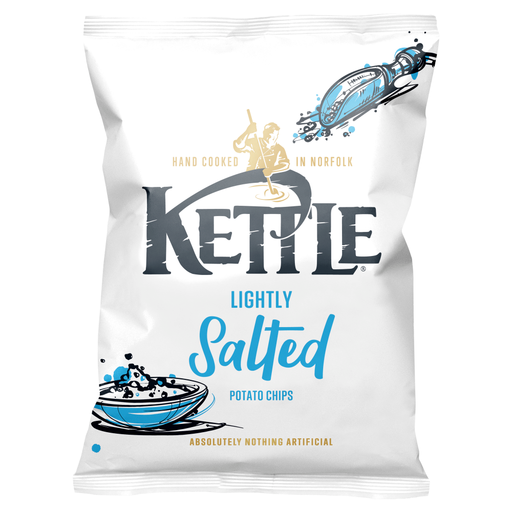
A 130g sharing bag; KETTLE lists this flavour as suitable for vegans and vegetarians. Check its current allergy advice, particularly when serving someone with a known allergy.
 No image available
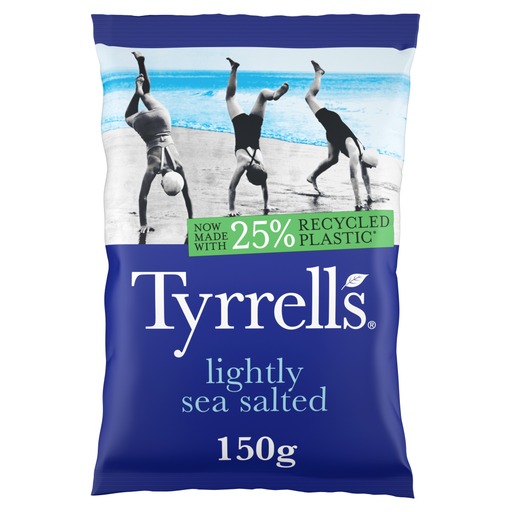
A 150g lightly sea salted option for a shared bowl. This is a different flavour from Tyrrells Naked, so use this bag’s own label for ingredients, salt and allergy information.
 No image available
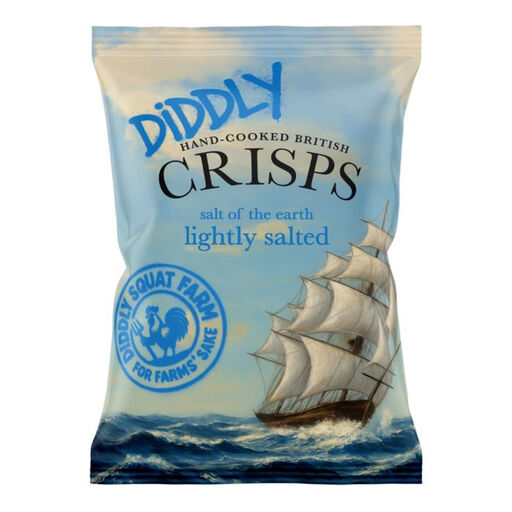
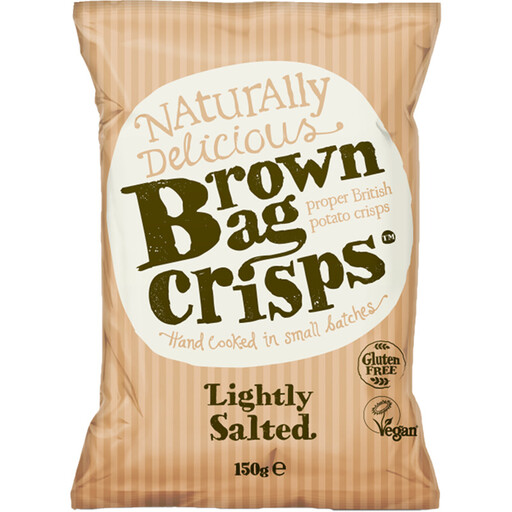
This 150g lightly salted bag is another format for a communal bowl. Check the exact pack’s allergy advice before serving it to guests with dietary restrictions.
No image available
At 85g, this sea salt and vinegar bag is smaller than the 130g and 150g options above. Compare the weight with the number of people sharing, and read the pack’s allergy advice.
Choose by the number of eaters rather than the word “sharing”. KETTLE lists a 130g Lightly Salted bag, while Tyrrells lists its 150g Naked bag as five servings; labelled servings are not child-specific portion guidance.
Not automatically. Tyrrells Naked lists potatoes and sunflower oil as ingredients but also says it may contain milk, so check the exact current pack and the needs of the person eating it.
No. Those labels describe particular dietary characteristics; read the ingredients and allergy advice for the exact flavour as well. Milk-containing cheese flavours and simply salted flavours should not be treated as interchangeable.
Check the club’s current food and allergy policy first, including whether communal food is permitted. England’s Department for Education guidance requires schools to publish an allergy safety policy for known allergens, but an ordinary lunch at home is a different setting.
Use it to narrow the options, then read the label on the bag you receive before serving. Check the flavour-specific ingredients, allergen advice and any precautionary statements.