
24/7 Customer Support

Free returns

Same-day & Next-day Delivery

Quality Guaranteed

Unlock Your Welcome Offers: FREE Delivery | Up to 80% OFF | Free 30-day JoyPlus trial
Download the APP
From labelling moving boxes to creating detailed artwork, the right marker can make all the difference. With so many types of Sharpie markers available, it can be a challenge to know which one is suitable for your specific task. Whether you need the permanence of classic ink, the vibrant opacity of a paint pen or the temporary brilliance of a chalk marker, understanding the differences is key to achieving the result you want.
This guide is designed to help you navigate the options. We will explore the key features of different Sharpie marker types to help you select the right tool for your creative, professional or organisational needs.
Before you add a marker set to your basket, consider these practical points to ensure you get the performance you need.
The most important factor is the surface you plan to write on. While standard permanent markers are famously versatile on paper, cardboard and plastic, they may not offer the best results on every material.
Think about how long you need your markings to last. Sharpie offers everything from indelible ink to easily erasable chalk. The tip style is also crucial for the final look of your project.
Here are our recommendations, selected to cover a range of common creative and practical uses.
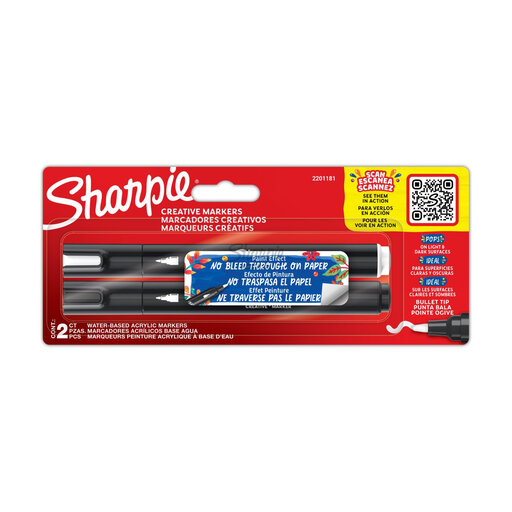
Why It Stands Out: These markers combine the vibrant, opaque finish of acrylic paint with the control of a pen. The water-based ink flows smoothly without bleeding through paper and it layers beautifully, allowing for dimensional effects. A key convenience is that they require no shaking before use—simply uncap and create.
Pros:
Who is it for: Artists, crafters and hobbyists looking for high-quality markers for art and customisation projects on various materials.
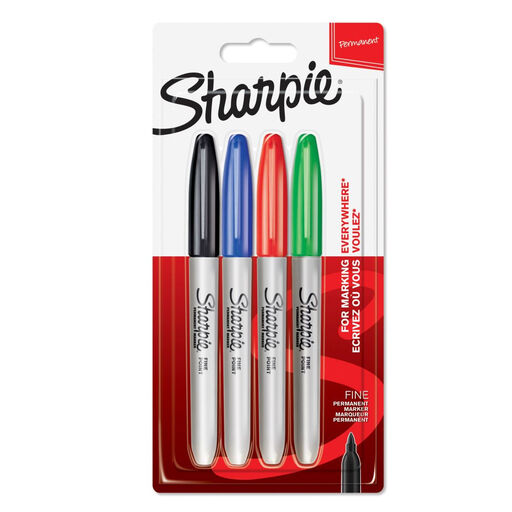
Why It Stands Out: This is the iconic, go-to permanent marker known for its reliability and performance. The ink is engineered to be quick-drying, fade-resistant and water-resistant, leaving a lasting mark on almost any surface. Its durable fine point tip creates clean, precise lines every time.
Pros:
Who is it for: Anyone needing a dependable marker for everyday tasks, from students and teachers organising notes to office professionals labelling files or warehouse staff marking inventory.
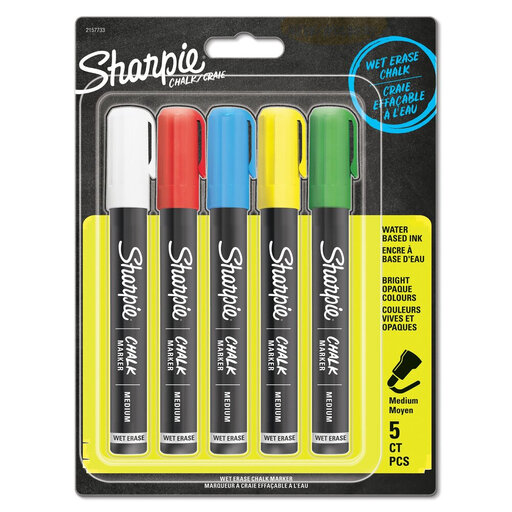
Why It Stands Out: These markers offer the bright, eye-catching appearance of chalk in a clean, dust-free format. They are designed specifically for non-porous surfaces and can be wiped away easily with a damp cloth. This makes them perfect for creating temporary and changeable displays with vivid colour.
Pros:
Who is it for: Small business owners, teachers and families who want to create vibrant, temporary messages or art on non-porous surfaces like glass or sealed chalkboards.
If our recommendations don't quite match what you're looking for, or if you'd like to explore a wider variety of colours and tip sizes, we have a broader selection available.
Browse our full collection of permanent marker options to find the perfect tool for your next project.
Standard Sharpie permanent markers can write on fabric, but the ink may bleed and can fade after washing. For projects requiring more permanence on textiles, specialised fabric markers are generally recommended for better longevity and wash-fastness.
Sharpie acrylic paint markers are water-resistant once the ink has fully dried, making them durable for many craft projects. For items that will be frequently handled or washed, such as mugs, applying a clear sealant after the ink has cured can provide extra protection and improve durability.
Removal depends entirely on the surface. For non-porous surfaces like glass or whiteboards, writing over the permanent mark with a dry-erase marker and then wiping it away can often work. For other surfaces, rubbing alcohol may be effective, but it is always wise to test on a small, inconspicuous area first to avoid causing damage.