
24/7 Customer Support

Free returns

Same-day & Next-day Delivery

Quality Guaranteed

Unlock Your Welcome Offers: FREE Delivery | Up to 80% OFF | Free 30-day JoyPlus trial
Download the APP
Sheet face masks can make a skincare routine feel simple: apply, wait, remove and continue with your day. However, a low price or impressive ingredient list does not always mean a mask will suit your skin. The sheet may not fit securely, the essence may contain an ingredient you avoid, or the recommended wear time may not match your routine.
This guide explains the practical details worth checking before buying, then matches several Korean and Japanese sheet masks to different shopping needs.
Many shoppers leave a mask on until it feels completely dry. This can be counterproductive for some products, as the sheet may begin to feel tight and uncomfortable. Always follow the instructions on the packaging. Standard tissue masks may be intended for around 5–20 minutes, while some hydrogel face masks are designed for longer daytime or overnight use.
A product labelled as a hyaluronic acid face mask, collagen face mask or vitamin C face mask may contain other ingredients that affect how it feels on your skin. Fragrance, alcohol, fruit extracts and preservatives can all matter if your skin is easily reactive. Look beyond the front label and review the full ingredient list before purchasing.
A moisturising face mask can leave skin feeling softer, smoother or more comfortable after use. This does not necessarily mean it has changed skin structure or permanently reduced fine lines, pores or pigmentation. Brightening face masks are best viewed as part of a consistent routine, alongside daily sun protection, rather than a replacement for it.
The sheet should sit closely over the cheeks, nose, jaw and chin without excessive folding. A loose fit can leave areas uncovered and allow essence to run into the eyes. 3D-cut sheets are shaped to follow facial contours, while thinner tissue masks can feel light and comfortable for short treatments. Hydrogel designs generally feel more substantial and may stay in place more securely.
For Korean sheet masks and Japanese face masks, check whether the product uses tissue, cellulose, woven fabric or hydrogel. Material alone does not determine suitability; the cut, thickness and amount of essence also affect comfort.
Match the main ingredients to your immediate skincare priority:
If your skin is sensitive, patch test first and avoid applying a mask to broken, sunburnt, inflamed or irritated skin.
Single sachets are useful when comparing formulas or packing for travel. Multipacks can be more convenient for weekly use, but only if you are confident the product suits your skin. Check whether each sheet is individually wrapped, how long it should remain on the face and whether the container must be tightly closed after opening.
Do not reuse disposable sheet masks. Store them according to the packaging instructions, away from direct sunlight and extreme temperatures.
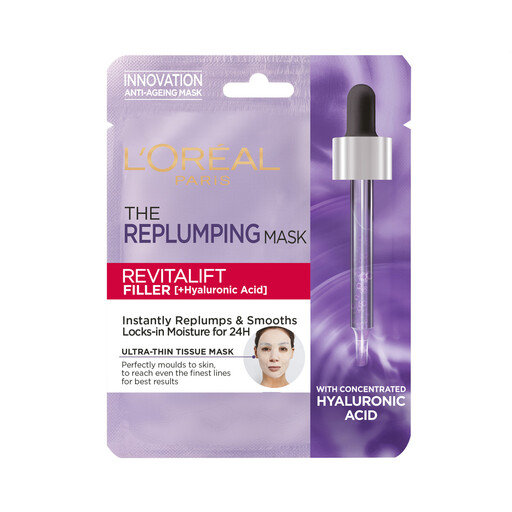
Why This Fits Their Persona: A single sachet offers a straightforward way to try a hydrating face mask before committing to a multipack. Its 0.3mm tissue format is designed to sit closely against facial contours, making it suitable for a short home treatment.
The one-piece format reduces the risk of buying a large pack before checking the fit and how the essence feels on your skin.
Contains glycerin and sodium hyaluronate; the stated application time is 15 minutes.
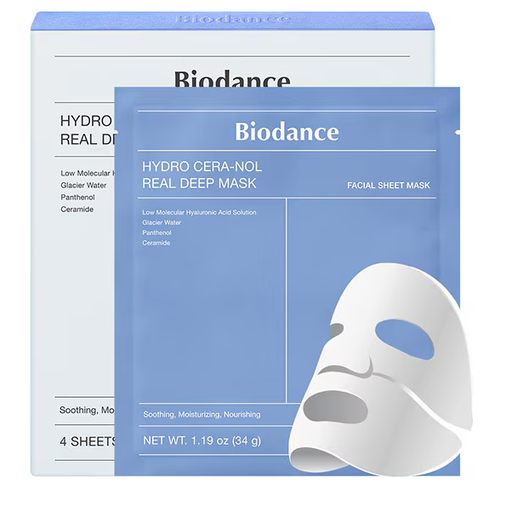
Why This Fits Their Persona: This four-pack is aimed at shoppers who want a hydrogel face mask with a richer, close-fitting texture for occasional intensive hydration, particularly when skin feels dry or sensitive.
The product information identifies the hydrogel texture and provides specific removal guidance: use until the mask becomes transparent rather than leaving it on indefinitely.
Lists panthenol, multiple forms of hyaluronic acid and a ceramide complex in its ingredients.
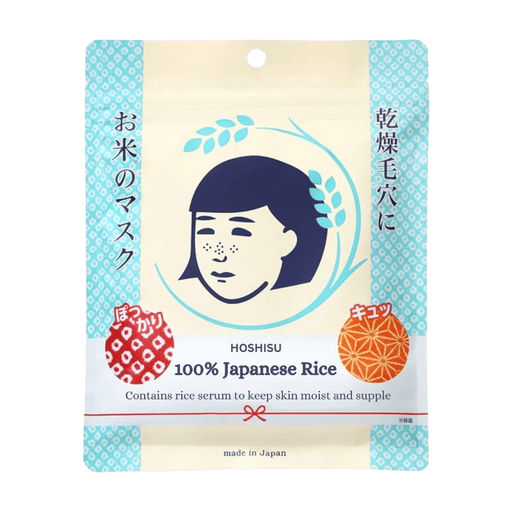
Why This Fits Their Persona: The ten-sheet pack suits regular users who want to build a simple weekly routine rather than buy individual sachets. It is made in Japan and intended for 5–10 minute applications.
The clearly stated short wear time helps prevent the common mistake of sleeping in a disposable sheet mask.
Contains rice fermentation broth, rice bran oil and glucosylceramide; the formula is listed as fragrance-free and colourant-free.
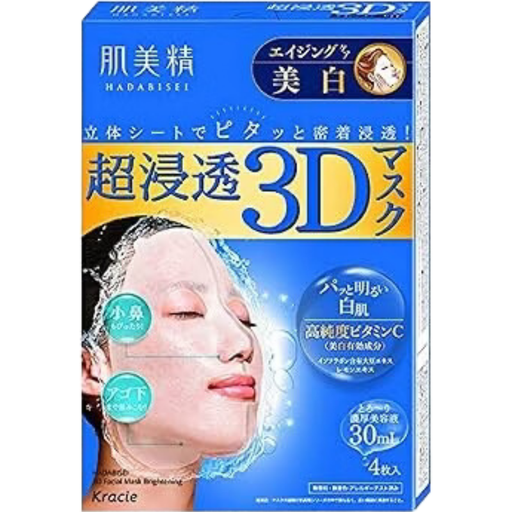
Why This Fits Their Persona: Shoppers interested in a Japanese brightening face mask may appreciate the 3D design, which extends under the chin and is intended to follow facial contours.
Its specified 5–15 minute use range gives buyers a clear limit, while the instructions explain how to position the lower flaps under the chin.
Contains ascorbyl glucoside, lemon extract and soluble collagen; the listed formula has no artificial colour or fragrance.
We have compiled a complete, real-time list of products that fully satisfy these strict selection criteria and UK safety regulations.
It depends on the formula and your skin’s tolerance. A simple moisturising face mask may fit into a weekly routine, while a richer hydrogel product may be used less frequently. Follow the product instructions and avoid using several new active formulas at once.
Some are formulated without fragrance or colourants, but suitability is individual. Check the ingredients, patch test on a small area and avoid use on broken or inflamed skin. A sensitive skin face mask should feel comfortable; burning or persistent tingling is a reason to remove it.
Usually, no. They can add a temporary layer of hydration, but a moisturiser may still be needed to support the skin’s usual routine and reduce moisture loss. Use the remaining essence first, then apply cream or gel if required.