
24/7 Customer Support

Free returns

Same-day & Next-day Delivery

Quality Guaranteed

Unlock Your Welcome Offers: FREE Delivery | Up to 80% OFF | Free 30-day JoyPlus trial
Download the APP
Choosing between sherry and fortified wine can be more complicated than the bottle label suggests. “Cream”, “pale cream”, “sweet” and “sherry cask” describe different drinking experiences, while bottle size and alcohol content can significantly affect the value of an online order.
Before buying, watch for three common pitfalls:
Cream sherry is generally associated with a rounded, sweet profile, often showing raisin, caramel, dried fruit or nutty notes. Pale cream sherry is typically lighter in colour and may taste fresher or more delicate than a darker cream style.
A British fortified wine can be a practical alternative for casual serving, desserts or gatherings. However, check the product’s country of origin and description rather than assuming that every cream-style fortified wine is Spanish sherry.
For comparison:
These differences affect sweetness, intensity, serving size and total alcohol units.
Alcohol by volume tells you the drink’s strength, but UK alcohol units make comparisons more practical. A rough calculation is:
Volume in millilitres × ABV ÷ 1,000 = units
For example, a 1L bottle at 17.5% ABV contains approximately 17.5 UK units. A 70cl bottle at 11.5% ABV contains approximately 8.1 units. A 75cl bottle at 17.5% ABV contains approximately 13.1 units.
The UK Chief Medical Officers advise that adults should not regularly exceed 14 units per week. This is particularly important when purchasing a case deal alcohol offer, since several bottles can represent a substantial quantity. Serve measured pours, avoid assuming that a small-looking glass contains one standard measure and drink responsibly.
Also check allergen information. Many fortified wines contain sulphur dioxide or sulphites, which must be declared on the packaging.
A 70cl sherry can suit occasional drinking, smaller households or gifting. A 75cl bottle follows a familiar wine format, while a 1L sherry is more suitable for parties, shared meals and regular home-bar use.
Once opened, storage guidance varies by product. Keep bottles upright in a cool, dry or dark place, away from direct sunlight. Some listed products recommend consuming within a few weeks, while others advise up to three months. Always follow the product label, particularly for sweet sherry and cream styles.
If you are buying a case deal, calculate:
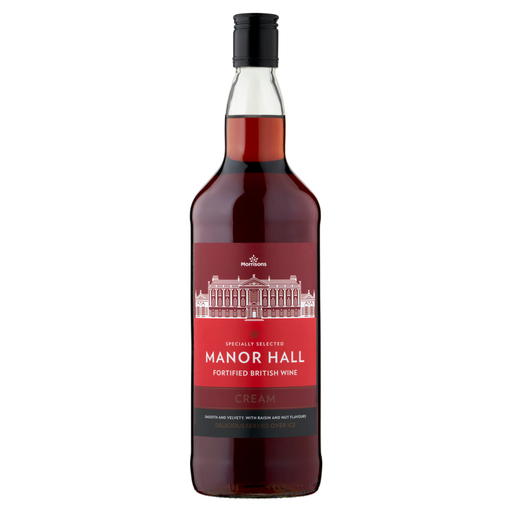
Why This Fits Their Persona: Its 1L format suits relaxed home serving, dinners and informal entertaining when you want a cream-style fortified wine without immediately buying a multi-bottle case.
The listed 13% ABV and 1L volume make strength and quantity clear, helping shoppers compare it fairly with 70cl sherry bottles.
1L bottle; listed as vegan-friendly; suitable for serving chilled with light appetisers or alongside shared meals.
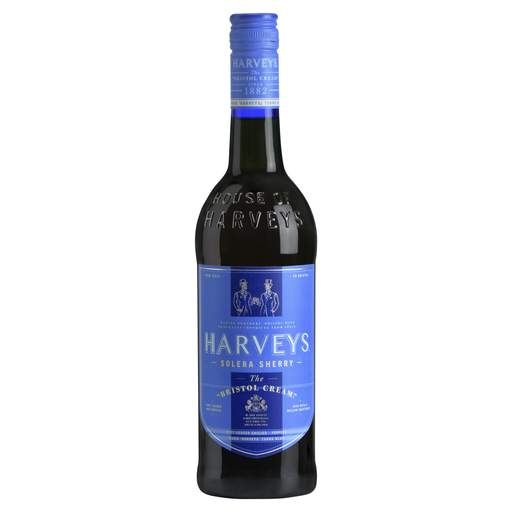
Why This Fits Their Persona: The 75cl presentation is appropriate for a dinner table, celebration or sherry gift set when presentation and a recognisable style are priorities.
The 17.5% ABV and approximately 13.1 units per bottle are stated, so the gift-worthy presentation does not obscure strength.
75cl bottle; listed tasting notes include dried fruit, toasted nuts and spice; suitable for chilled serving or pairing with desserts.
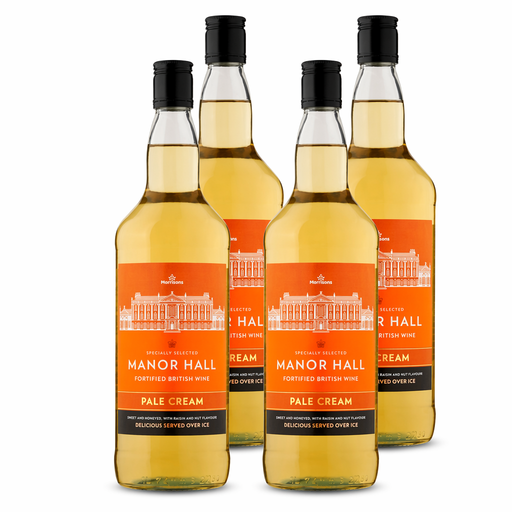
Why This Fits Their Persona: A pack of six 1L bottles is designed for larger gatherings, regular entertaining or a well-stocked home bar.
The case format is explicit, reducing the risk of mistaking a bulk listing for a single bottle; check total units before ordering.
Six 1L bottles; listed at 15% ABV; suitable for serving with desserts, cheese or during larger occasions.
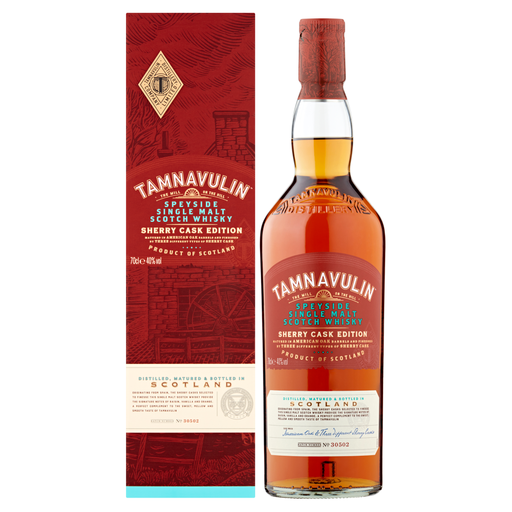
Why This Fits Their Persona: This is a sherry cask whisky rather than a fortified wine, making it suitable for shoppers who enjoy dried-fruit and spice influences in a stronger spirit.
The listing clearly identifies it as a Speyside single malt whisky at 40% ABV, preventing confusion with sweet sherry or British fortified wine.
70cl bottle; matured in American oak and three types of sherry cask; listed notes include raisin, vanilla and orange.
We have compiled a complete, real-time list of products that fully satisfy these strict selection criteria and UK safety regulations.
Cream sherry is commonly served chilled, over ice or at room temperature, depending on the style and personal preference. It can accompany fruit desserts, trifle, crème brûlée, cheese boards and nuts. Pale cream styles may suit lighter appetisers or informal summer gatherings.
Do not leave an opened bottle in direct sunlight or near a heat source. If you buy a sherry gift set or case deal alcohol pack, rotate bottles so that opened products are consumed within the period stated on the label. Check the seal, bottle condition, ABV, allergen declaration and age restriction before serving.
All products containing alcohol are for UK adults aged 18 and over. Drink responsibly; alcohol should not be consumed during pregnancy.
Cream sherry is a type of fortified wine, but not every fortified wine is sherry. Sherry traditionally refers to wines associated with the Jerez area of Spain, whereas British fortified wine may be produced and bottled in the UK using a different formulation.
Choose a 1L sherry for regular home-bar use, parties or larger households. A 70cl sherry is more practical for occasional drinking, a smaller gathering or gifting. Compare both price per litre and total alcohol units before deciding.
Sherry is a fortified wine, usually sweet or dry depending on the style. Sherry-cask whisky is a distilled spirit matured or finished in casks that previously held sherry. It may show raisin, vanilla, nut or spice notes, but it is substantially stronger and should be served in smaller measures.