
24/7 Customer Support

Free returns

Same-day & Next-day Delivery

Quality Guaranteed

Unlock Your Welcome Offers: FREE Delivery | Up to 80% OFF | Free 30-day JoyPlus trial
Download the APP
Buying sherry and fortified wine online can be less straightforward than it appears. Product names often use familiar terms such as cream, pale cream, medium and British fortified wine, while bottle sizes and alcohol strengths vary considerably. A lower-priced 1 litre bottle may also look like better value until you compare the alcohol content, intended serving style and whether a case deal suits your household.
This guide explains the practical details to check before ordering, then matches a selection of bottles and sherry-influenced whiskies to different UK shopping needs.
“Cream” generally indicates a sweeter style, but the flavour can still vary. Raisin, caramel, honeycomb, dried fruit and nutty notes may appear in different proportions. Pale cream sherry can offer a lighter, cleaner impression than a darker cream style, while a medium fortified wine is usually more restrained.
Do not choose based on the word “cream” alone. Check the product description, sugar information where supplied, alcohol percentage and recommended serving suggestions.
Traditional sherry is associated with Jerez in Spain, whereas a British fortified wine is a separate product category made in the United Kingdom. They may share serving occasions and flavour references, but they are not interchangeable in terms of origin or production.
For example, Croft Original Pale Cream is listed with Spain as its region, while Old Westminster Pale Cream 70cl and Manor Hall products are identified as British fortified wines. If origin matters for a dinner, gift or collection, read the label details rather than relying on general marketing language.
A case deal can be practical for entertaining, a home bar or regular drinkers, but it may not represent suitable value for occasional use. Fortified wine can last longer than ordinary table wine after opening, but the recommended period still varies by product. Morrisons Cream Sherry 1L advises consuming it within three months of opening, while other products recommend using an opened bottle within a few weeks.
Compare the cost per bottle, bottle capacity and realistic consumption rate. A single 70cl bottle may be more sensible for a first purchase or sherry wine gift.
Use the style as a starting point:
Serving temperature also changes perception. Sweet sherry is commonly served chilled or over ice as an aperitif, while room temperature can emphasise raisin and caramel notes alongside a dessert.
A 1 litre sherry offers more volume than a standard 70cl bottle, but alcohol strength differs significantly across the range. The supplied products include:
A 50ml glass of Manor Hall Medium is listed at approximately 0.7 units, while a 50ml glass of Morrisons Cream Sherry is listed at approximately 0.9 units. Always check the bottle label at purchase, especially where separate listings show different specifications.
Most of the sherry and fortified wine listings contain sulphur dioxide or sulphites. Morrisons Cream Sherry lists grape must, wine alcohol and caramelised sugar, while Old Westminster lists fortified British wine, sweetening, colour and preservative.
Store unopened bottles upright in a cool, dark place, away from direct sunlight and temperature fluctuations. Once opened, follow the product guidance and keep the bottle properly sealed. For whisky, storage instructions generally advise avoiding direct sunlight; refrigeration is not normally required.
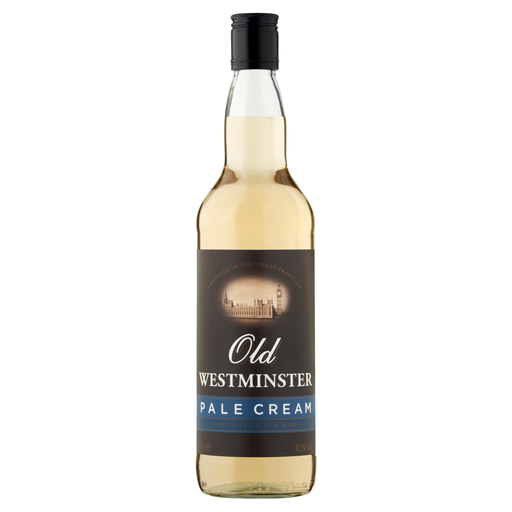
Why This Fits Their Persona: A smaller bottle and 11.5% ABV provide a manageable starting point for UK shoppers exploring sweeter fortified styles without committing to a 1 litre bottle.
Its listing clearly states the bottle size, alcohol percentage, approximate units and suggested two-month consumption period after opening.
Golden pale cream style; suitable chilled, over ice or in cooking and desserts.
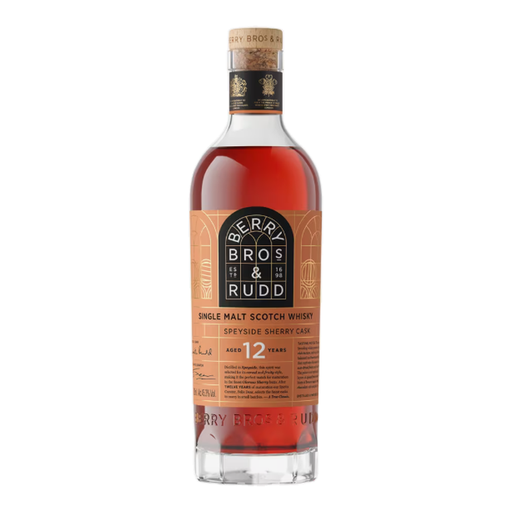
Why This Fits Their Persona: This is a sherry cask whisky option for shoppers seeking a single malt Scotch whisky with a more developed, whisky-led profile rather than a sweet fortified wine.
The listing specifies 12 years, Speyside origin, 45.3% ABV and 31.7 UK units per 70cl bottle, making the specification easy to assess.
Dried fruit, baked apple, toffee and spice notes; suitable neat, over ice or with a little water.
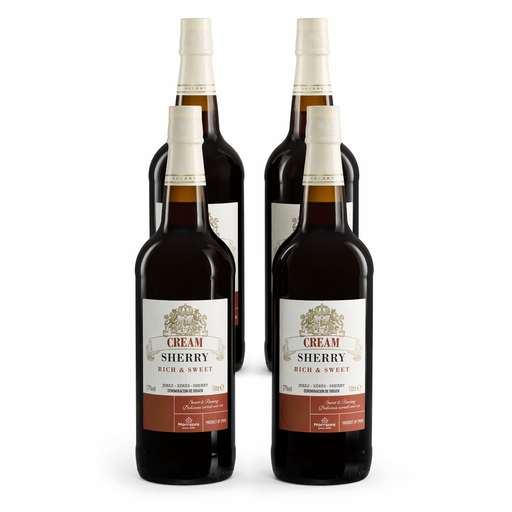
Why This Fits Their Persona: A case format can suit regular hosts, larger households and shoppers stocking a home bar, provided the household will use the bottles within the stated period.
The listing states the 1 litre format, 17.5% ABV, 17.5 units per bottle and approximately 0.9 units per 50ml glass.
Raisin and caramel character; suitable over ice, at room temperature or with fruity puddings.
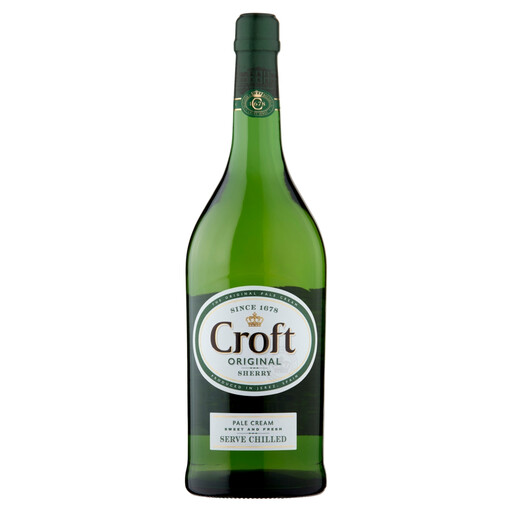
Why This Fits Their Persona: A recognisable pale cream style in a generous bottle, suitable for gifting to an adult who enjoys chilled sherry, light appetisers or relaxed entertaining.
The product page identifies the Spanish region, 17.5% alcohol content, sulphite allergen and three-month guidance after opening.
Listed as sweet, crisp and refreshing; suitable for light meals, platters and chilled serving.
We have compiled a complete, real-time list of products that fully satisfy these strict selection criteria and UK safety regulations.
All listed alcoholic products are for adults aged 18 and over. Alcohol units can add up quickly, particularly with 1 litre bottles and whisky. UK Chief Medical Officers advise that it is safest not to drink regularly more than 14 units per week. Do not drink during pregnancy, and consume responsibly.
Sherry is a type of fortified wine, but sweetness depends on the style. Cream sherry and pale cream sherry are generally sweet, while medium styles offer a more moderate level of sweetness. British fortified wine may also be labelled medium or cream, so compare the product description and nutrition information.
There is no single lifespan for every bottle. The supplied listings advise periods ranging from a few weeks to three months after opening. Keep the bottle sealed, store it in a cool, dark place and follow the manufacturer’s guidance on the label or product page.
A sherry cask whisky is Scotch whisky matured or finished in oak casks that have held or been seasoned with sherry. It is not the same drink as sherry wine. The cask influence may contribute dried fruit, raisin, vanilla, caramel, nutty or spiced notes, while the whisky remains a spirit with a much higher ABV than most fortified wines.