
24/7 Customer Support

Free returns

Same-day & Next-day Delivery

Quality Guaranteed

Unlock Your Welcome Offers: FREE Delivery | Up to 80% OFF | Free 30-day JoyPlus trial
Download the APP
A heated massager can make an appealing addition to a UK home, particularly after long hours at a desk, commuting, travelling or standing at work. However, product pages often use similar phrases—“deep tissue”, “professional”, “reflexology” and “heat therapy”—for devices with very different designs.
Before choosing a Shiatsu massager with heat, focus on how the product is built, how it is controlled and whether it suits your intended body area. This helps avoid paying for features that are difficult to use or unsuitable for regular routines.
Warmth may feel soothing, but a heated foot massager or neck and shoulder massager is a comfort product, not a replacement for medical care. “Heat therapy” can describe a relatively modest warming function, while some products reach higher temperatures. Always check the stated range, whether heat is optional and how quickly it activates.
People with diabetes, neuropathy, circulation concerns, pregnancy or other health conditions should seek appropriate medical advice before using heat or massage devices. Do not use a massager over injured, swollen or irritated skin.
A deep tissue massager may use rotating kneading nodes, compression, tapping or rolling. These actions produce different sensations. Stronger is not automatically more suitable: an intense setting can be uncomfortable, particularly for first-time users or people with sensitive feet and shoulders.
Look for adjustable intensity, direction or massage modes rather than relying only on promotional wording.
Foot devices come into direct contact with socks and skin, so fixed fabric interiors can become inconvenient to maintain. Removable, washable sleeves or covers are practical details worth prioritising.
For a foot massager, check the stated foot-size limit and internal shape. For a portable neck massager, consider whether it fits securely around your neck without forcing your shoulders upwards. Also check whether the device is mains-powered, USB-rechargeable or inflatable for transport.
A kneading massage machine with rotating nodes can target the soles, heels, insteps, neck or shoulders depending on its shape. Foot models may combine kneading with rolling, compression, scraping or tapping. These features are useful only when they cover the areas you actually want to use.
If your main concern is tired feet, compare full-foot coverage with heel or instep-only designs. Someone seeking a foot massager for plantar fasciitis should not assume that a product treats the condition; instead, check whether the pressure pattern and adjustable settings feel appropriate, and seek professional advice where necessary.
Heat should be easy to switch on and off independently from massage. Product specifications may state a temperature such as 40–45°C or 55°C, but perceived warmth can vary with socks, room temperature and contact with the device.
Use the lowest comfortable setting initially, follow the manual and never fall asleep while heat is active. A timer or automatic shut-off can make regular use easier to manage.
Large buttons, touch controls and clear mode selection reduce friction during use. A device intended for an office or journey should be compact, quiet enough for the environment and simple to pack. A mains-powered unit may suit a fixed home chair, while a USB-charged or inflatable U-shaped neck massager is more convenient for travel.
For UK use, confirm that the included power supply is appropriate for your setup and inspect the cable and adaptor before operation. Keep electrical massagers away from water and do not use them in bathrooms or other humid areas unless the manufacturer explicitly permits it.
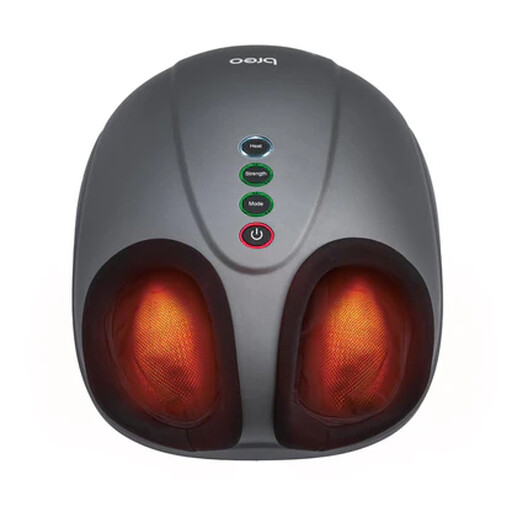
Why This Fits Their Persona: A practical entry point for adults who want an electric foot massager after work or long periods of standing, without choosing a multi-area machine.
It states three compression intensities, optional 40–45°C heat and removable washable foot sleeves, making key comfort and maintenance details clear.
Deep kneading, compression, scraping, rolling, tapping and strapping functions; stated fit up to men’s size 12.
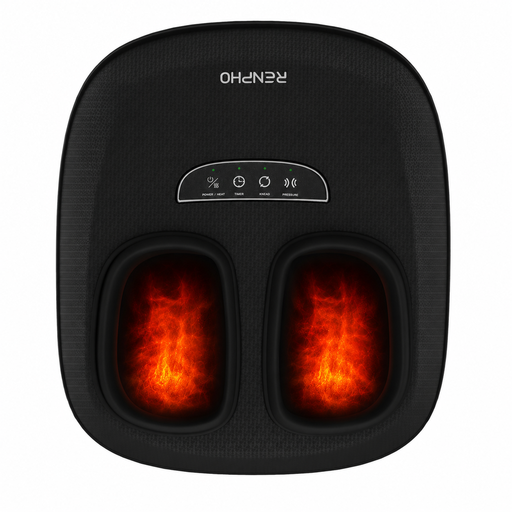
Why This Fits Their Persona: Suitable for home users who want more control over foot coverage, pressure and session timing from a dedicated heated foot massager.
Its independent instep and heel controls help avoid a one-pattern-fits-all design, while the removable washable cover addresses hygiene.
Full-foot Shiatsu coverage; adjustable kneading speed, heat and timer with stated 55°C constant heat.
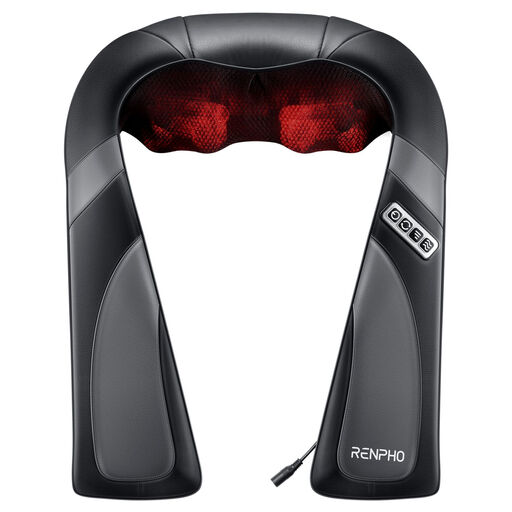
Why This Fits Their Persona: Designed for adults who regularly experience neck and shoulder tension from office work and want one device that can also be positioned on the back, legs or feet.
It provides three intensity levels, bi-directional rotation, optional heat, automatic shut-off and overheat protection rather than a fixed massage strength.
Eight kneading nodes; ergonomic U-shape and carry bag for flexible home use and transport.
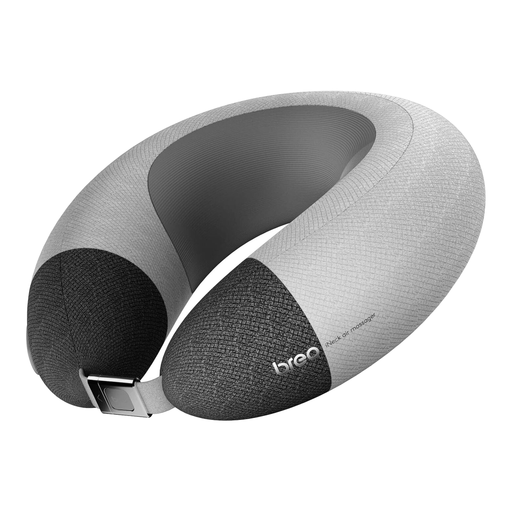
Why This Fits Their Persona: An inflatable, compact option for flights, car journeys, office breaks or shoppers seeking a practical massage gift for mum.
The inflatable design addresses storage concerns, while three modes, optional heat and USB charging provide more practical control on the move.
U-shaped support, two rotating multi-node heads, low-noise operation and included storage bag.
We have compiled a complete, real-time list of products that fully satisfy these strict selection criteria and UK safety regulations.
Before the first session:
A massager is more likely to remain useful when it is easy to reach, clean and control. For many UK households, a device used for 15–20 minutes in a favourite chair may offer more practical value than a larger machine that is difficult to store.
Use it only according to the manufacturer’s stated session guidance. Many people begin with short sessions and moderate intensity, allowing the body to adjust. Daily use is not suitable for everyone, particularly where there is an underlying health condition, reduced heat sensitivity or an existing injury.
The running cost depends on the device’s wattage, electricity tariff and session length. Check the rating label or product manual for power consumption. Using a timer and switching the unit off at the end of each session can help avoid unnecessary electricity use.