
24/7 Customer Support

Free returns

Same-day & Next-day Delivery

Quality Guaranteed

Unlock Your Welcome Offers: FREE Delivery | Up to 80% OFF | Free 30-day JoyPlus trial
Download the APP
Choosing Shiraz red wine online should be straightforward, but product listings can make comparison harder than it needs to be. Similar-looking bottles may vary considerably in alcohol strength, body, origin, blend composition and dietary suitability. Case deals can also appear attractive until you realise the bottles are not suited to your usual meals or drinking occasions.
This guide explains what to check before ordering, then matches a selection of bottles and cases to different UK shopping needs.
Shiraz can range from a medium-bodied, juicy red to a powerful, oak-influenced wine. Australian Shiraz, particularly from warmer areas such as South Australia and the Barossa Valley, often offers ripe blackberry, plum, spice and a fuller mouthfeel. Cooler-climate or blended styles may feel fresher, lighter or more structured.
If you want a smooth red wine for casual drinking, look for descriptions mentioning soft or rounded tannins. If you prefer a full-bodied red wine with steak, choose a bottle with greater structure and a higher ABV.
A standard UK wine bottle is usually 75cl, not 75ml. Some online listings contain formatting errors, so check the net quantity on the product page and physical label before purchasing. A red wine case deal can reduce the per-bottle cost, but only makes sense if you have suitable storage and expect to serve the same style regularly.
ABV affects both flavour weight and alcohol units. For example, a 13% 75cl bottle contains approximately 9.8 UK units, while a 14.5% bottle contains approximately 10.9 units. Check the label for the final figure.
Most wines contain sulphites, which must be declared as allergens. Vegetarian and vegan suitability is not universal: fining agents can vary. Look for a clear vegan red wine statement, or contact the producer if the listing only says vegetarian.
Shiraz and Syrah refer to the same grape variety, although regional styles differ. A straight Shiraz generally puts dark fruit and spice at the centre. A Shiraz Cabernet blend combines Shiraz’s ripe fruit character with Cabernet Sauvignon’s firmer structure and blackcurrant notes.
Other blends may include Grenache, Petit Verdot or Monastrell. These can alter the wine’s body, acidity and tannin, so read the grape breakdown where available rather than relying only on front-label design.
For a rich, fruit-forward style, consider Australian Shiraz from South Australia or Barossa Shiraz from the Barossa Valley. South Eastern Australia often represents an accessible everyday style.
A French red wine from Languedoc-Roussillon may be lighter and fresher, while a South African red wine from Stellenbosch can combine Shiraz with varieties such as Petit Verdot and Cabernet Sauvignon for added structure. These are useful alternatives when you want variety rather than a classic Australian profile.
Most approachable Shiraz and red blends sit between approximately 12.5% and 14.5% ABV. Serve fuller reds at around 16–18°C, rather than warm room temperature, and lighter styles slightly cooler.
Store unopened bottles away from sunlight and heat. Once opened, reseal and refrigerate where practical, then follow the product guidance—many everyday wines are best consumed within two to five days.
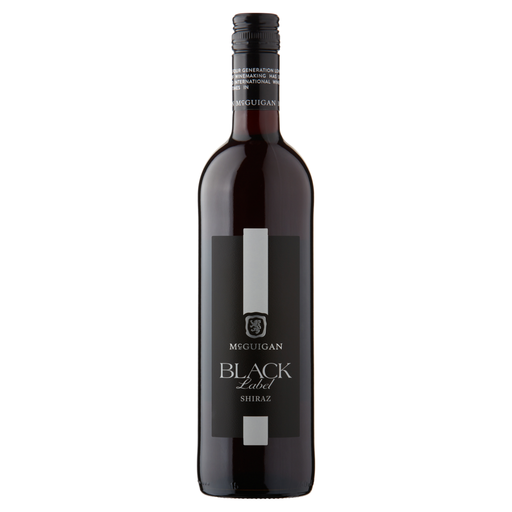
Why This Fits Their Persona: A practical everyday Australian Shiraz for shoppers who want a familiar 75cl format and an approachable profile for weeknight meals.
The listing specifies 12.5% ABV, 75cl quantity and approximately 9.4 UK units per bottle, making comparison clearer.
Ripe plum, blackcurrant and spice notes; listed as vegetarian and vegan friendly.

Why This Fits Their Persona: A Barossa Shiraz option for dinner parties, gifting or meals where a richer, more layered red is appropriate.
The product information identifies Barossa Valley origin, 14.5% ABV and approximately 10.9 UK units per bottle.
Dark plum and blackberry notes with vanilla, sweet spice and oak influences; suitable for vegetarians.
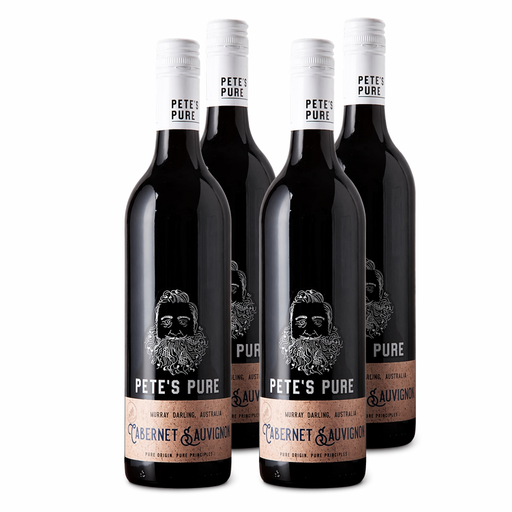
Why This Fits Their Persona: A useful format for regular hosts or households that want several bottles for gatherings and robust meals.
The listing gives the 13% ABV, 750ml size, allergen details and vegan suitability instead of relying only on promotional language.
Full-bodied texture with blackberry, blueberry, plum, black pepper and vanilla notes.
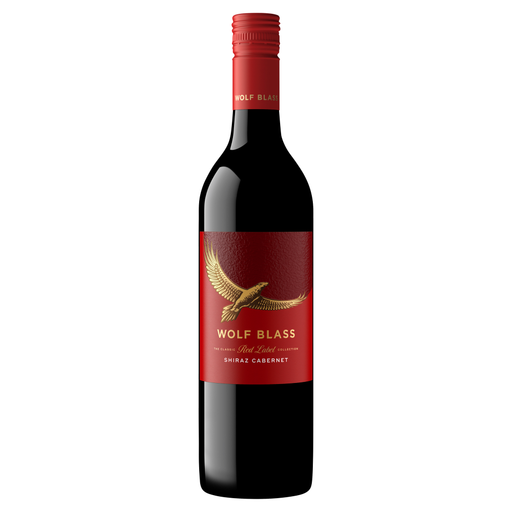
Why This Fits Their Persona: A versatile Australian red blend for shoppers serving grilled meat, lamb, mushroom dishes or mature cheese.
The grape combination and 13.5% ABV are stated clearly, helping buyers distinguish a Shiraz Cabernet from a single-variety bottle.
Blackberry, plum and blackcurrant flavours with pepper, clove, vanilla and oak notes.
We have compiled a complete, real-time list of products that fully satisfy these strict selection criteria and UK safety regulations.
Use the wine’s weight as a guide:
Malbec red wine can offer a similar dark-fruit direction, while French red wine or South African red wine may provide a fresher or more structured alternative.
Most Shiraz is made as a dry red wine, although ripe fruit flavours can make it seem sweet. Notes such as plum, blackberry, vanilla or chocolate describe flavour impressions and do not necessarily indicate added sugar.
Reseal the bottle, refrigerate it and follow the product instructions. Many everyday wines are best consumed within two to five days, while flavour and aroma can change sooner after exposure to air.
The total depends on bottle size and ABV. A 75cl bottle at 13% contains approximately 9.8 UK units; a 14.5% bottle contains approximately 10.9 units. UK adults are advised not to regularly exceed 14 units per week, spread over three or more days. Alcohol is for adults aged 18 and over; do not drink when pregnant or drive after drinking.