
24/7 Customer Support

Free returns

Same-day & Next-day Delivery

Quality Guaranteed

Unlock Your Welcome Offers: FREE Delivery | Up to 80% OFF | Free 30-day JoyPlus trial
Download the APP
Buying Shiraz wine 75cl online should be straightforward, but product listings can make similar bottles appear very different. Descriptions often focus on words such as “bold”, “smooth” and “rich” without explaining how the wine will suit your meal, drinking habits or budget.
A sensible purchase starts with three checks: the wine’s region and style, its alcohol content and bottle units, and whether its dietary and storage information is clearly stated. These details help you avoid paying extra for a style you may not enjoy or ordering a case that does not suit your household.
Australian Shiraz can range from soft and fruit-led to powerful, oak-influenced and highly structured. A broad South Eastern Australia designation usually indicates a regional blend, while a named area such as Barossa Valley gives you more information about origin and expected style.
Barossa Shiraz is commonly associated with ripe dark fruit, spice and a fuller palate, although individual wines still vary. Cooler-climate examples may show more pepper, freshness and restrained fruit character. Do not rely on the word “Shiraz” alone; check the tasting notes, region and alcohol percentage.
“Smooth Shiraz” normally refers to softer tannins and an easier-drinking texture. It does not necessarily mean the wine is sweet. Plum, blackberry, vanilla and chocolate descriptions may refer to flavours perceived in the wine rather than added sugar.
If you prefer a less intense red, look for medium-bodied wording, lower alcohol or descriptions mentioning soft tannins. For a richer wine for steak and red meat, a full-bodied style with dark-fruit flavours and oak notes may be more suitable.
A standard red wine 75cl bottle contains 750ml, but alcohol units vary with ABV. For example, a 13.5% bottle contains approximately 10.1 UK units, while a 14.5% bottle contains approximately 10.9 units.
Sulphites are present in many wines and must be declared as an allergen. A wine labelled vegetarian is not automatically vegan, as fining agents can differ. If you specifically need a vegan Shiraz wine, choose a product that clearly states it is suitable for vegans or contact the producer where the information is uncertain.
The 75cl format is suitable for dinner, entertaining or keeping a few bottles in the cupboard. If you regularly serve wine to guests or want to reduce the cost per bottle, compare a Shiraz case deal with single-bottle pricing. Check the number of bottles included, delivery terms and available storage space before ordering.
The products below range from 11.0% to 14.5% ABV. Higher ABV may accompany a fuller, warmer palate, but it also means more units per bottle. Serve most full-bodied Shiraz at approximately 16–18°C rather than warm room temperature. Lightly chilling the bottle can help preserve freshness, particularly in centrally heated homes.
For wine for steak and red meat, look for dark-fruit, spice, oak and structured tannin notes. These characteristics can stand up to grilled beef, lamb, barbecued food and slow-cooked dishes.
Softer styles can work with tomato-based pasta, pizza, burgers, roast vegetables and mature cheese. The listed region, grape variety and tasting notes are generally more useful than vague claims about quality.
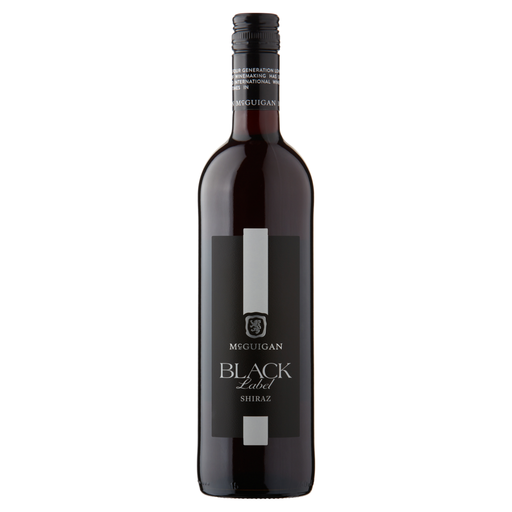
Why This Fits Their Persona: A practical everyday Australian Shiraz for shoppers who want an approachable bottle for pasta, red meat or relaxed midweek meals.
The listing specifies a 12.5% ABV, 9.4 UK units per bottle and vegetarian and vegan suitability, making key buying information visible.
Plum, blackcurrant and spice notes; suitable for tomato-based Italian food and red meat.

Why This Fits Their Persona: A named Barossa Valley option for dinner hosts and Australian wine enthusiasts seeking a fuller bottle for substantial food.
The product identifies South Australia and Barossa Valley rather than relying only on broad Australian origin wording.
14.5% ABV; dark fruit, vanilla, sweet spice and oak notes; suitable for vegetarians.
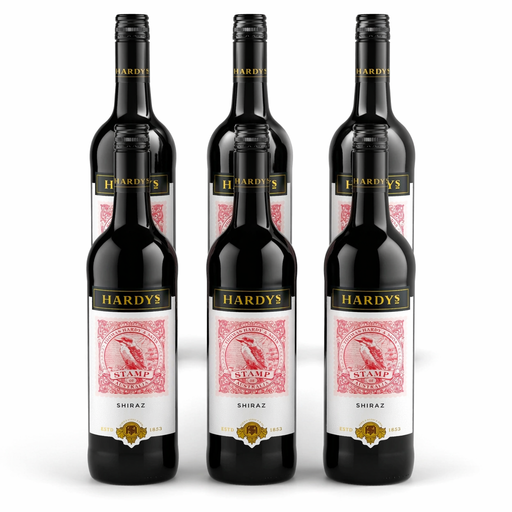
Why This Fits Their Persona: A case format suits regular hosts, larger households and shoppers who want several bottles available for meals and gatherings.
The case listing provides bottle size, 13.5% alcohol content, approximately 10.1 units per bottle and vegan-friendly information.
Blackberry and plum notes with spice and oak; designed for hearty meals or serving on its own.
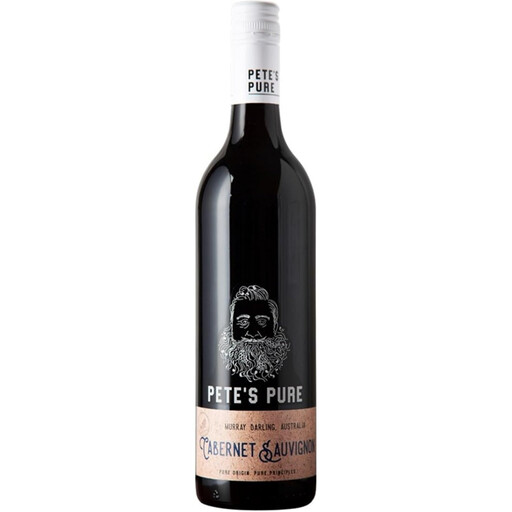
Why This Fits Their Persona: A full-bodied option for shoppers who enjoy dark berry flavours, a rounded texture and food with strong flavours.
Its listing states 13.0% ABV, 9.8 UK units per bottle and suitability for vegetarians and vegans, while identifying sulphites.
Blackberry, blueberry, plum, pepper and vanilla notes; pairs with steak, lamb, stews and aged cheese.
Store unopened bottles in a cool, dark place, away from radiators, sunlight and temperature changes. For short-term household storage, a stable cupboard is usually more practical than a warm kitchen shelf. Follow the product label where storage instructions differ.
Serve full-bodied Shiraz at 16–18°C. If the bottle has been kept in a warm room, a short period in the fridge can bring it closer to a suitable serving temperature. Once opened, re-cork the bottle, refrigerate it and follow the listing guidance, typically consuming it within two to five days.
Every product listed is restricted to adults aged 18 and over. Alcohol should be consumed responsibly. Do not drink and drive, and avoid alcohol during pregnancy. The UK Chief Medical Officers advise that adults should not regularly exceed 14 units per week.
We have compiled a complete, real-time list of products that fully satisfy these strict selection criteria and UK safety regulations.
Often, but not always. Many Australian Shiraz wines are full-bodied, with ripe dark fruit, spice and noticeable alcohol warmth. Some cooler-climate or lower-alcohol examples can be medium-bodied and more pepper-led. Check the product description, ABV and region rather than assuming the style from the grape name alone.
Shiraz works well with grilled steak, lamb, burgers, barbecue dishes, tomato-based pasta, hearty stews and mature hard cheese. Choose a richer, higher-ABV bottle for heavily seasoned red meat or a softer style for everyday pasta and sharing plates.
The exact figure depends on alcohol strength. A 13.0% 75cl bottle contains approximately 9.8 UK units, while a 14.5% bottle contains approximately 10.9 units. Check the product listing or bottle label before serving, particularly when comparing single bottles with a case deal.