
24/7 Customer Support

Free returns

Same-day & Next-day Delivery

Quality Guaranteed

Unlock Your Welcome Offers: FREE Delivery | Up to 80% OFF | Free 30-day JoyPlus trial
Download the APP
A cluttered hallway is a common sight in many UK homes. Piles of trainers, work shoes and school shoes can quickly turn a welcoming entryway into a trip hazard. A well-chosen shoe storage cabinet not only restores order but also enhances your home's decor.
As the Joybuy Product Recommendation Officer, my role is to help you find practical solutions that fit your space and style. This guide cuts through the clutter, focusing on key features and considerations to help you select a shoe organiser that truly works for your home. We will explore some popular options and provide tips to ensure you make a confident choice.
Before you start browsing, a little planning goes a long way. Here are a few key points to consider when looking for the ideal hallway shoe storage solution.
The most important step is to measure the area where you plan to place your unit. In many UK houses and flats, hallways can be quite narrow. A slim shoe cabinet is often the perfect solution for these tight spaces. Note down the maximum width, depth and height you can accommodate. Remember to account for skirting boards and any nearby doors that need to open freely. A narrow shoe storage unit with pull-down drawers, for example, requires less clearance than one with hinged doors.
Shoe storage comes in various forms, each with its own benefits:
The material of your shoe storage cabinet affects its look, longevity and maintenance. Metal racks offer excellent durability and an industrial aesthetic. Engineered wood (MDF) is a common choice for cabinets, often finished with a protective melamine coating that resists scratches and is easy to wipe clean. This finish allows for a wide range of colours and wood-effect styles to match your existing furniture.
Here are a few standout options that address different needs, from simple organisation to stylish, concealed storage.
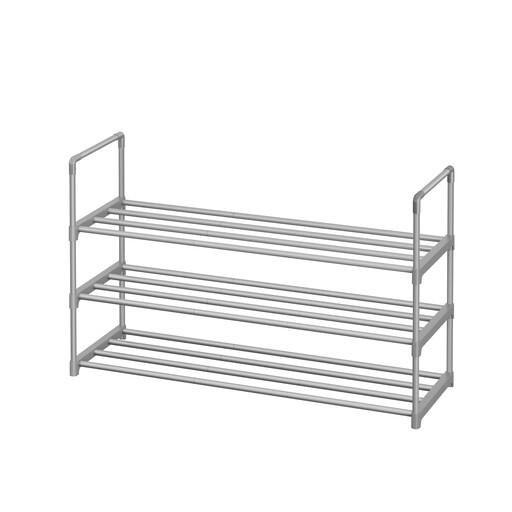
Why It Stands Out: This unit's strength lies in its sheer adaptability. It’s not just a static shelf; it can be stacked with another unit for vertical storage, flipped to accommodate different shoe heights or used as a single, low-profile shoe rack. The tool-free assembly is a significant bonus for anyone who wants a quick and straightforward solution.
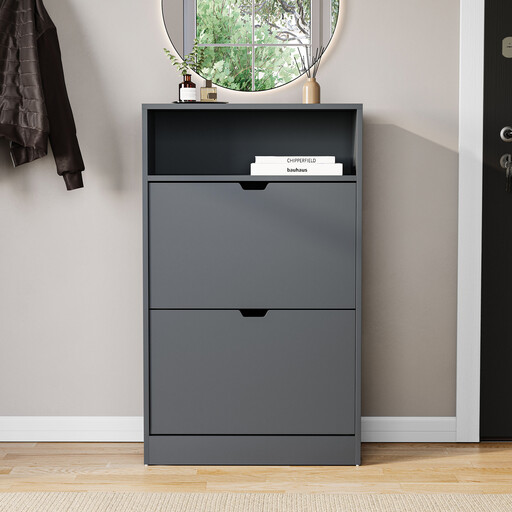
Why It Stands Out: This is a classic example of a slim shoe cabinet designed for modern living. With a depth of just 24 cm, it fits neatly into narrow hallways without obstructing the walkway. The pull-down compartments cleverly store shoes in two rows, maximising capacity while maintaining a sleek profile. The open shelf on top is a practical touch for keys, post or a small plant.
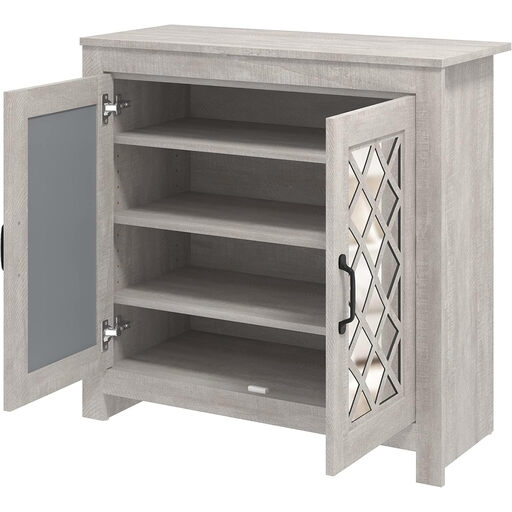
Why It Stands Out: The Galano Millicent cabinet elevates shoe storage into a decorative feature. The acrylic mirror doors with a lattice pattern add a touch of elegance and help make a small space feel brighter and larger. It offers substantial storage for up to 12 pairs of shoes and includes an adjustable shelf for boots or larger items, making it a versatile piece of furniture for a hallway or bedroom.
The right colour and style can make all the difference in tying a room together. If you're set on a specific palette, our curated collection offers even more choice.
Explore our full range of grey shoe storage cabinet options to find the perfect fit for your home's aesthetic.
Good ventilation is key. If you have a closed cabinet, try to leave the doors slightly ajar when possible to allow air to circulate. Ensure shoes are completely dry before storing them. You can also place natural deodorisers, such as charcoal bags or cedar blocks, inside the cabinet to absorb moisture and odours.
There isn't one "best" material; it depends on your priorities. Metal is highly durable, lightweight and offers good ventilation, making it great for a shoe rack. Engineered wood (MDF) with a melamine finish provides the look of solid furniture, is easy to clean and comes in many styles, making it a popular choice for a modern shoe cabinet.
This depends entirely on the model. Always check the product dimensions (width, depth and height) and compare them to your available space. For narrow hallways, look for a slim shoe cabinet with a depth of 25cm or less. Also, consider the space needed for doors to open—pull-down or sliding doors are excellent for tight spots.