
24/7 Customer Support

Free returns

Same-day & Next-day Delivery

Quality Guaranteed

Unlock Your Welcome Offers: FREE Delivery | Up to 80% OFF | Free 30-day JoyPlus trial
Download the APP
Short grain sushi rice is the foundation of well-shaped maki, nigiri and onigiri. However, choosing a bag based only on words such as “premium”, “Japanese-style” or “sticky” can lead to disappointing texture, unsuitable pack sizes and unnecessary waste.
For UK households, sushi enthusiasts and catering businesses, the practical choice depends on grain characteristics, cooking instructions, country of origin, storage requirements and how quickly the rice will be used.
Not every rice described as sticky is suitable for sushi. Glutinous rice, often used for desserts and dumplings, has a different texture and can become excessively dense when seasoned. For sushi, look for short grain or round grain rice intended for Japanese dishes.
The grains should become cohesive after cooking while retaining enough structure to be shaped. This balance is also useful when preparing rice for onigiri, donburi and rice bowls.
Japanese short grain rice is a familiar choice, but rice for sushi can also be cultivated or produced in other countries. The product description, grain type and cooking guidance matter more than a country label alone.
For example, the range includes Japanese short grain rice, Thai sushi rice and short grain rice from Vietnam or Italy. These products may have different water ratios and cooking methods, so check the packaging rather than applying one recipe to every bag.
A sushi rice 10kg bag can suit a restaurant, caterer or large household, but it may be inconvenient for occasional home use. Once opened, rice should be protected from moisture, odours and pests. A smaller sushi rice 1kg or 500g pack may reduce storage pressure, even if the cost per kilogram is higher.
Before buying sushi rice 5kg or sushi rice 10kg, consider cupboard space, airtight containers and your expected consumption.
Choose short grain or round grain rice with instructions specifically mentioning sushi, onigiri or Japanese cuisine. Shorter, rounder grains generally release enough starch to hold together after cooking and seasoning.
A useful product description may refer to a sticky, tender and firm texture, glossy cooked grains or the ability to absorb sushi vinegar. These are practical indicators, but they are not a substitute for following the cooking instructions supplied with the product.
Many products in this category recommend approximately one part rice to 1.1 or 1.2 parts water, although the correct amount depends on the rice, cooking appliance and desired texture.
For instance:
Rinse the rice gently several times until the water is nearly clear, then soak it for around 20–30 minutes where the instructions advise this. After cooking, leave it covered to rest before seasoning.
Check the net quantity, best-before information and storage instructions. Uncooked rice should be stored in a cool, dry place away from direct sunlight. After opening, transfer it to a sealed container where possible.
Rice is a raw ingredient and must be cooked thoroughly. For cooked rice, follow the product label’s refrigeration guidance and avoid leaving it at room temperature for extended periods. Always check the packaging for the latest allergen and safety information, even where a product description states that no allergens are present.
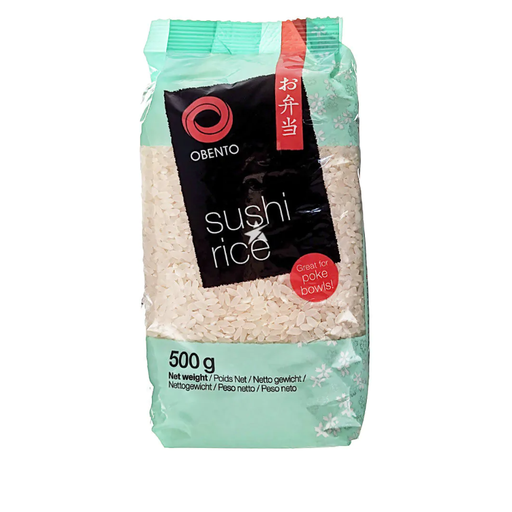
Why This Fits Their Persona: The 500g format lets occasional UK home cooks try rice for sushi without committing to a large sack or finding long-term storage space.
It is identified as short-grain sushi rice and includes a 1:1.1 rice-to-water guide, helping beginners avoid using unsuitable rice or guessing the liquid quantity.
500g pack; suitable for sushi, onigiri and side dishes; clear rinse, cook and rest instructions.
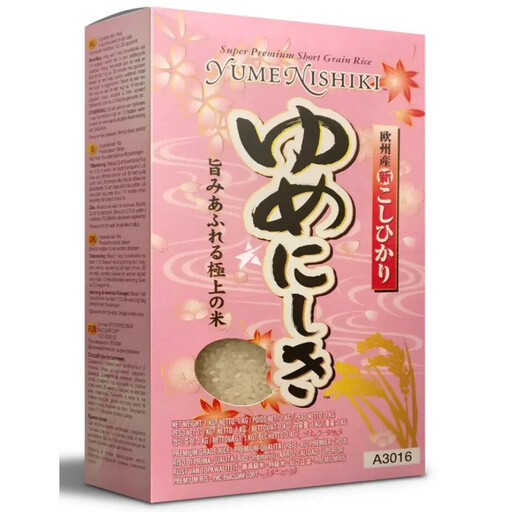
Why This Fits Their Persona: A 1kg bag suits cooks who want a more premium sushi rice format for regular homemade Japanese meals without moving to catering quantities.
The listing provides a defined 1:1.2 hob ratio, a 30-minute optional soak and a covered resting period, rather than relying only on vague texture promises.
1kg format; listed for sushi, onigiri and donburi; 100% short grain rice with no listed allergens.
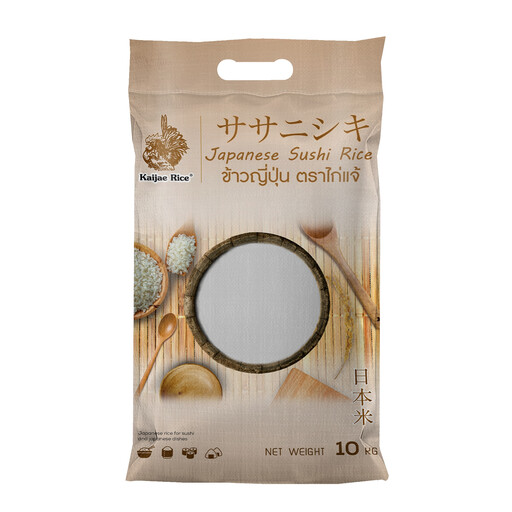
Why This Fits Their Persona: The bulk format is aimed at sushi restaurants, caterers, large families and households preparing Japanese dishes frequently.
The listing identifies it as Thai short-grain sushi rice and gives a 1:1.1 ratio, soaking guidance and post-opening instructions, making the larger purchase easier to manage.
10kg quantity; rice listed as 100% rice; suitable for vinegar seasoning and sushi moulding; average shelf life stated as two years.
Cooked rice can be seasoned with a mixture of rice vinegar, sugar and salt or with a ready-made sushi rice seasoning sauce. The KIKKOMAN Sushi Rice Seasoning Sauce, 125ml Bottle contains rice vinegar, sugar, water and salt and is ready to use.
Its listed guidance suggests adding 30–45ml to 300g of cooked Japanese round-grain rice, then folding gently. Adjust according to personal taste and the rice quantity. As the sauce contains salt, use it as directed and refrigerate the bottle after opening.
View the sushi rice seasoning sauce.
We have compiled a complete, real-time list of products that fully satisfy these strict selection criteria and UK safety regulations.
Both can be sold as short grain rice for sushi, but origin and product specifications vary. Japanese sushi rice may be marketed around traditional Japanese varieties, while Thai sushi rice may be cultivated for a cohesive texture and supplied in larger catering packs. Follow the individual product’s water ratio and preparation instructions.
A 500g or 1kg pack is practical for occasional home cooking. A sushi rice 2kg or 5kg bag suits regular family meals and frequent sushi-making. Choose 10kg for restaurants, caterers or households with sufficient airtight storage and consistently high usage.
Yes. The cohesive texture makes it suitable for rice for onigiri, donburi and other Japanese dishes. Cook it according to the label, allow it to rest and shape it while warm enough to hold together safely. Always check storage guidance for cooked leftovers and consume them within the recommended timeframe.