If labelled sugars are your main concern, a sweetener-based recipe is a distinct option: the UK retailer Nutz4Nuts lists less than 0.5 g sugars per 100 g for Gullón Sugar Free Shortbread, but its ingredients include maltitol, isomalt and vegetable oil. If you prefer a traditional butter recipe, compare sugars and energy per 100 g, then set aside the portion you want for the film; a lower figure than another biscuit does not, by itself, establish a reduced-sugars claim.
Who is this choice for?
Film snackers watching labelled sugars
A sugar-free listing and a conventional shortbread recipe offer different ingredients as well as different sugars figures. Compare the nutrition panels rather than assuming either choice meets every dietary preference.
Traditional-shortbread portion planners
If you prefer a butter recipe, compare products per 100 g and use the relevant pack’s serving weight or piece count to work out how much to take into the film. A smaller finger does not necessarily have less sugar per 100 g.
People sharing snacks with someone who has an allergy
Check the ingredients and allergen information on the particular pack you plan to share. The listed Gullón recipe and several traditional examples include wheat and milk ingredients; a different product from the same brand may have a different recipe.
What should you check?
Decide whether the recipe or the labelled sugars figure matters more, then compare products on the same per-100 g basis before choosing a portion.
Sweetener-based shortbread
Consider it: If minimising labelled sugars matters more to you than choosing an all-butter recipe.
Trade-off: The Gullón recipe listed by Nutz4Nuts uses vegetable oil, maltitol and isomalt; its low sugars figure does not mean it contains no carbohydrate or energy.
Traditional shortbread, portioned
Consider it: If the ingredients and familiar finger format matter more to you than choosing a sugar-free recipe.
Trade-off: Decide how many fingers to take; a mini format or a relatively lower sugars figure does not establish a reduced-sugars claim.
| Priority |
What to check |
Your needs |
| Labelled sugars |
Compare sugars per 100 g, not just pack size. Read the ingredients of a sugar-free recipe and check energy and carbohydrate per 100 g as separate figures. |
I care more about the labelled sugars figure than an all-butter recipe, but I still want to know what sweeteners the biscuit contains. |
| Film-length portion |
Check the weight of the pieces you plan to eat. Use the exact product’s per-piece nutrition if given, or calculate from its per-100 g figures and your portion weight. |
I would rather set aside a few pieces before the film than treat the whole carton as one serving. |
| Ingredients and allergens |
Read the delivered pack’s ingredients, allergen statement and any sweetener warnings. Check the exact variant, especially when sharing. |
For someone else’s snack, I need to check their ingredients and allergens before relying on a sugar claim or a familiar brand name. |
Common shortbread mix-ups
-
Calling the lowest traditional sugars figure “reduced sugars”
The figures here describe different products. As the Food and Drink Federation’s guidance on comparative nutrition claims explains, a comparison needs substantiation; one lower per-100 g number does not establish an on-pack claim. A lower sugars figure also does not necessarily mean lower energy.
Compare the stated sugars and energy figures on the same per-100 g basis, and distinguish those figures from any claim printed on the pack.
-
Assuming sugar-free means an all-butter recipe
The Gullón shortbread listed by Nutz4Nuts uses vegetable oil and the sweeteners maltitol and isomalt. That ingredient choice may matter as much as its sugars figure.
Choose according to the recipe you want as well as the nutrition panel, and check the delivered pack before relying on either.
-
Treating a carton as one film-time serving
Per-piece nutrition applies to a stated piece weight; eating several pieces changes the total. Waitrose, for example, lists 3.0 g sugars for one 20 g shortbread finger.
Set aside the number of pieces you intend to eat and use that product’s per-piece figure, or its per-100 g figure and your portion weight.
Brand and product references
These figures describe the named products, not every shortbread made by each brand. Check the current pack when comparing recipes or buying for a dietary need.
Gullón
The Sugar Free Shortbread Biscuits listed by UK retailer Nutz4Nuts offer a sweetener-based alternative to the traditional butter recipes below.
- Nutz4Nuts lists less than 0.5 g sugars and 439 kcal per 100 g for the 330 g product.
- The retailer’s ingredient list includes vegetable oil, maltitol and isomalt. Check the delivered label for dietary suitability.
Walker's Shortbread
Its 250 g Shortbread Fingers are a traditional butter-recipe reference, not a product presented here as reduced sugars.
- Walker's Shortbread lists 16.2 g sugars and 533 kcal per 100 g for these fingers.
- The manufacturer’s ingredients include wheat flour and butter containing milk.
M&S
The 125 g Mini Shortbread Fingers provide a small-piece format for dividing a snack before a film.
- M&S lists 14.8 g sugars and 525 kcal per 100 g for this product.
- “Mini” describes the size, not a reduced-sugars claim. M&S says this product is unsuitable for people with nut or peanut allergies.
Waitrose
Its Shortbread Fingers listing gives both per-100 g and per-finger nutrition, which helps when choosing a piece count.
- Waitrose lists 14.9 g sugars per 100 g and 3.0 g sugars per 20 g finger.
- Check the pack you receive, as Waitrose notes that recipes can change.
Dean's
The 125 g Traditional Shortbread Fingers offer another conventional recipe to compare, rather than a reduced-sugars option.
- Dean's lists 17.1 g sugars and 512 kcal per 100 g for this product.
- Its stated ingredients include salted butter and vegetable margarine, so this particular recipe should not be treated as all-butter.
Shortbread options on Joybuy
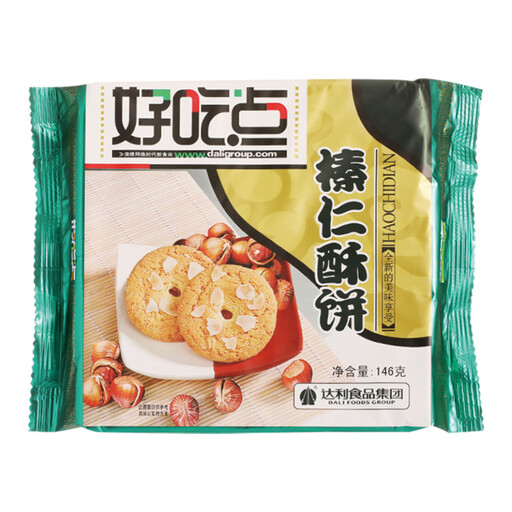
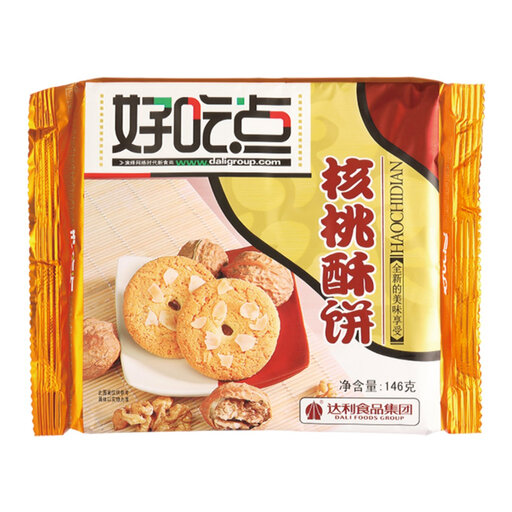
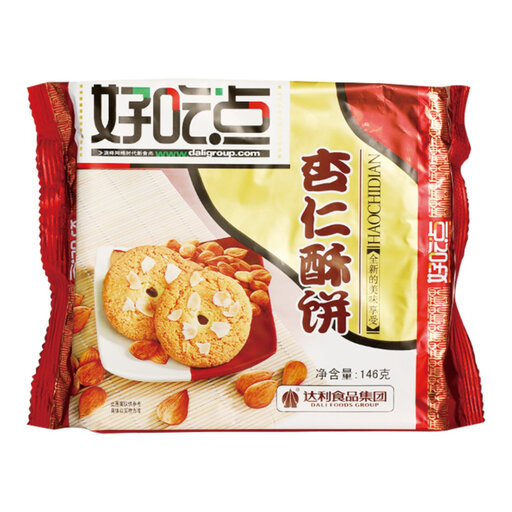
These Daliyuan HCD nut-flavoured shortbread varieties are options to consider if you plan to portion biscuits for a film. Their names do not establish a sugar-free or all-butter recipe; check each variant’s nutrition and ingredients against those priorities.
 No image available
Daliyuan HCD Hazelnut Shortbread Cookies 146g
A hazelnut-flavoured option if you want to set aside cookies for a film. Compare the pack’s sugars and energy per 100 g with your other choices, and check its ingredients and allergen statement before sharing.
View on Joybuy
 No image available
Daliyuan HCD Walnut Shortbread 146g
A walnut-flavoured variety to consider when dividing biscuits before a film. Check its per-100 g sugars, serving information and ingredients rather than assuming its nutrition matches another flavour.
View on Joybuy
 No image available
Daliyuan HCD Almond Shortbread 146g
An almond-flavoured choice if you intend to portion shortbread for the cinema. Read this variant’s sugars and energy figures alongside its ingredient and allergen information before deciding whether it suits the people sharing it.
View on Joybuy
Shortbread questions
Does “no added sugar” mean sugar-free or low in calories?
No. Check sugars, carbohydrate and energy separately on the nutrition panel. For example, UK retailer Nutz4Nuts lists less than 0.5 g sugars, 68 g carbohydrate and 439 kcal per 100 g for Gullón Sugar Free Shortbread Biscuits.
How can I work out the sugars in my film-time portion?
Multiply the label’s sugars per 100 g by the portion weight in grams, then divide by 100. If the exact product gives a per-piece figure, you can use that instead: Waitrose lists 3.0 g sugars for one of its 20 g Shortbread Fingers.
What should I check on sweetener-based shortbread?
Read the actual pack’s ingredients, allergens and warnings, as well as its nutrition panel. The Gullón listing from Nutz4Nuts names maltitol and isomalt; GOV.UK food-labelling guidance specifies a laxative-effect warning for foods containing more than 10% polyols. Check the pack rather than assuming that threshold applies to a particular biscuit.
Do mini shortbread fingers contain less sugar?
A smaller finger may contain less sugar than a larger portion of the same recipe, but “mini” does not establish a lower sugars content per 100 g. M&S lists 14.8 g sugars per 100 g for its Mini Shortbread Fingers; use the pack’s serving information and the amount you intend to eat when planning a portion.


