Shopping for one extra treat
If you want a biscuit with your tea and scone, distinguish the size of one serving from the quantity you have to buy. A wrapped finger may still come in a case.


For a plain biscuit alongside a scone, an individually wrapped shortbread finger suits guests if you can use the number of portions in its case. A chocolate-and-caramel shortbread bar offers a different treat, while an ordinary pack makes sense when you will use several biscuits and do not need separate wrappers. According to the National Trust, a classic Cornish cream tea includes a scone, jam and clotted cream; shortbread is an addition, not a substitute for the scone.
If you want a biscuit with your tea and scone, distinguish the size of one serving from the quantity you have to buy. A wrapped finger may still come in a case.
Individually wrapped fingers can give each guest a separate portion. Check the case quantity against the number of occasions on which you expect to serve them.
Check the label of the exact biscuit or bar before serving it. The cited plain-finger products contain ingredients including wheat and milk, and warnings differ between products.
Start with the treat you want to serve, then check the purchasing unit: a single portion and a single-item purchase are not necessarily the same thing.
| Priority | What to check | When it matters |
|---|---|---|
| Portion and pack | Compare the weight of each serving with the number in the unit you buy. Walker's Shortbread lists wrapped 20 g fingers in cases of 240 and 35 g fingers in boxes of 40; Dean's lists 17 g fingers in cases of approximately 80. | I want one biscuit-sized addition to tea, not a case bought for a single afternoon. For guests, I may be able to use the remaining wrapped portions on another occasion. |
| Type of treat | Check whether the product is plain shortbread or a bar with other components. Marks & Spencer describes its 50 g Choc Marks bar as containing shortbread, caramel, chocolate crispies and milk chocolate. | With a scone, jam and clotted cream already on the table, I might prefer a plain biscuit. If I want chocolate and caramel instead, the bar is a different choice rather than a plain-finger substitute. |
| Ingredients and allergens | Read the exact product's ingredients and cross-contact warnings. Walker's lists wheat and milk in its 20 g finger; Marks & Spencer gives additional allergy cautions for its chocolate-and-caramel bar. | Before serving a guest with an allergy, I need to check the product they will actually receive, rather than assume that two shortbread products have the same ingredients. |
| Wrappers and storage | Look for an explicit statement about individual wrapping; a per-finger serving figure does not establish it. Tesco instructs buyers of its 210 g finger pack to use an airtight container once opened. | Separate wrappers matter if I am setting out one portion per guest. For a shared pack, I need somewhere suitable to keep the remainder. |
The cited manufacturer listings package wrapped fingers in boxes or cases of 40, approximately 80 or 240 portions. That quantity changes the decision if you only need a treat for one afternoon.
Check how many portions are in the unit you must buy, not just the weight of each finger.
Marks & Spencer's 50 g Choc Marks bar also contains caramel and chocolate components, so its ingredients and allergy cautions differ from those of a plain finger.
Choose it when those added ingredients are what you want, and check its own label before serving.
Tesco gives a serving figure per finger for its 210 g pack and provides instructions for storing the pack after opening. The serving figure alone says nothing about individual wrapping.
If separate portions matter, check the packaging description directly; otherwise plan how to store an opened pack.
These examples show how product format changes the choice; a brand name alone does not establish portion size, wrapping or availability.
The manufacturer lists plain, individually wrapped shortbread fingers for serving separate portions.
The manufacturer lists an individually wrapped 17 g shortbread finger in a case of approximately 80.
Its 50 g Choc Marks caramel and shortbread bar is a chocolate-and-caramel treat rather than a plain finger.
An own-label all-butter shortbread listing describes the item by the piece.
Its cited all-butter shortbread fingers come in a 210 g pack suited to taking several biscuits from one purchasing unit.
Its cited 400 g shortbread assortment is a sharing-pack option, not a single-bar format.
These options cover a 25 g shortbread product and a multipack of chocolate snack bars for a different kind of treat. Check the purchasing quantity and the exact product label before ordering for cream tea.
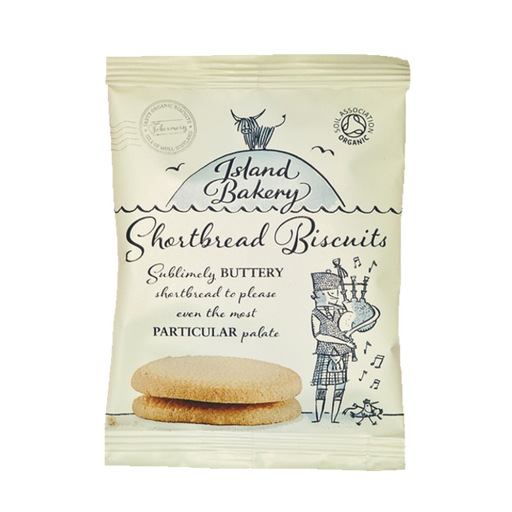 Image unavailable
A shortbread option for adding a biscuit to cream tea. The title specifies 25 g; check the purchasing quantity and packaging if you need just one portion or a separate wrapper for each guest.
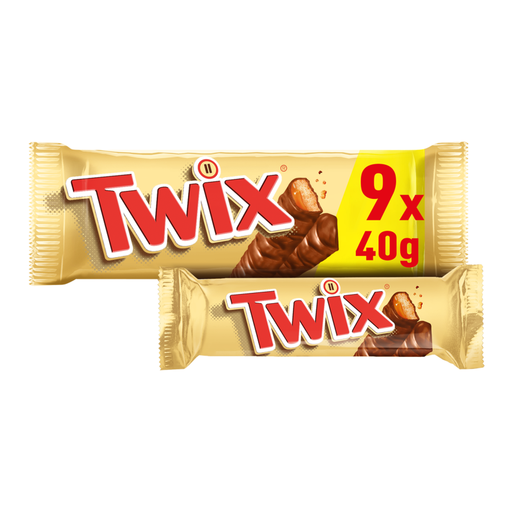 Image unavailable
A chocolate snack-bar alternative if plain shortbread is not the treat you want. This is a nine-pack of 40 g twin bars, not a single plain shortbread finger; check the exact packaging and ingredients before serving.
No. The National Trust describes a classic Cornish cream tea as including a fresh scone, jam and clotted cream. Shortbread can be an extra treat, but it does not replace the scone in that description.
A single wrapper does not establish a single-finger purchasing unit. Walker's Shortbread lists the cited wrapped fingers in a box of 40 or a case of 240, while Dean's lists a case of approximately 80 and marks that item unavailable on its cited page. Check the quantity attached to the product you intend to order.
Follow the instructions on that pack. For its cited 210 g shortbread fingers, Tesco specifies a cool, dry place and an airtight container once the pack is opened.
Check the exact product's ingredients and cross-contact warnings before serving it. GOV.UK guidance says specified allergens present as ingredients in prepacked food must be clearly identified in the ingredients list; the cautions on a chocolate-containing bar may differ from those on a plain finger.