Hosts serving a group
Decide whether guests expect shortbread or digestives, then choose a shared-pack quantity you can store appropriately after opening.


Choose shortbread when the group wants a buttery, crumbly biscuit; choose plain digestives when a wheaty biscuit is the intended choice. For separate servings, look for individually wrapped portions rather than assuming a large pack contains them. For shared packs, plan how you will store biscuits after opening and check the delivered packs’ ingredients, allergen statements and best-before dates before serving.
Decide whether guests expect shortbread or digestives, then choose a shared-pack quantity you can store appropriately after opening.
Look for a stated number of separately wrapped servings. Walker’s Shortbread lists both single-finger packets and wrapped twin packs; a large shared pack serves a different purpose.
Check each delivered product’s ingredients and precautionary allergen statement. Recipes differ between shortbread and digestives, and a biscuit type alone does not establish whether a particular pack is suitable.
Settle the biscuit type and serving format before deciding how many packs or portions to order.
| Priority | What to check | Your needs |
|---|---|---|
| Biscuit type | Read the product name and ingredients. The checked Waitrose shortbread lists salted butter; its Essential Digestive Biscuits list wholemeal wheat flour and palm oil. | Are guests expecting buttery shortbread, or do I want to serve plain digestives? I should choose the biscuit before choosing a larger quantity. |
| Serving format | Distinguish a shared pack from individually wrapped servings. Walker’s Shortbread lists a case of 240 wrapped 20g fingers and a box of 24 wrapped twin packs. | If biscuits will be handed out separately, I need to know the number of packets. For a shared biscuit tin, I can consider packs that will be opened and stored. |
| Quantity and storage | Compare pack weight with the number of servings you intend to provide. Follow the particular pack’s storage instructions after opening; Waitrose advises an airtight container for its Essential Digestive Biscuits. | Will the group use the quantity I order, and where will opened packs go between servings? |
| Ingredients and allergens | Check the current ingredients and both ‘contains’ and ‘may contain’ statements on each delivered pack. Do not transfer an allergen statement from one recipe or variant to another. | I need to check the exact biscuits I will serve to anyone with an allergy or intolerance, rather than relying on the words ‘shortbread’ or ‘digestive’. |
The checked all-butter shortbread and plain digestive have different ingredient lists. A larger quantity does not resolve a mismatch in biscuit choice.
Confirm whether the group wants shortbread or digestives before selecting a pack format.
Ingredients and precautionary statements can differ by product, even within the same brand’s range.
Read the labels on the delivered packs before serving them to someone with an allergy or intolerance.
Dean’s listing for an approximately 80-pack case of individually wrapped shortbread fingers was marked unavailable when checked. An event plan needs a format that can be obtained for the required date.
Confirm the quantity and availability before finalising the servings.
If that case cannot be obtained, allow time to find another suitable serving format.
These examples show why the exact recipe and pack format matter more than a brand name alone.
Its listed formats include 250g shortbread fingers and separately wrapped catering portions.
Traditional and all-butter shortbread fingers are listed as distinct recipes.
Its checked range includes both shortbread fingers and plain digestives.
Its checked Collection shortbread fingers are a 165g all-butter product; M&S also lists digestive biscuits separately.
Its checked Highland All Butter Shortbread Fingers come in a 200g pack.
Tesco lists shortbread and digestives as separate everyday-biscuit categories.
These options include shared digestive packs, a 25g shortbread and a larger pack of a different biscuit. Check the biscuit type and serving format before choosing a quantity.
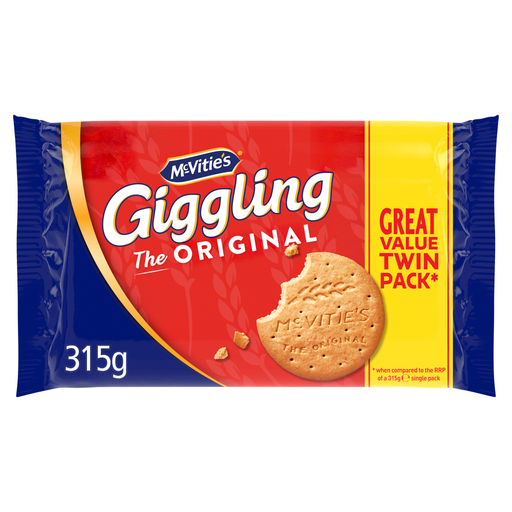 No image available
A digestive option for shared servings. The title specifies two 315g packs; check storage directions on each pack after opening.
 No image available
A 400g digestive pack for buyers specifically seeking this sugar-free variant, rather than a traditional sugar-based digestive. The product information warns that excessive consumption may have a laxative effect; check the pack’s ingredients and warning before serving.
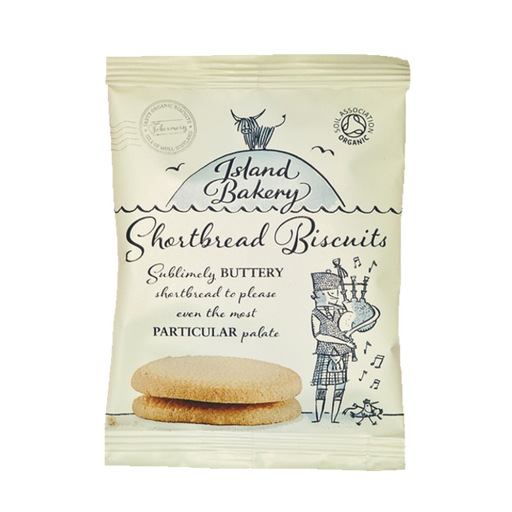 No image available
A 25g shortbread option when planning individual servings. This listing is for a single 25g product, not a stated catering case; confirm the quantity and packaging needed for your group.
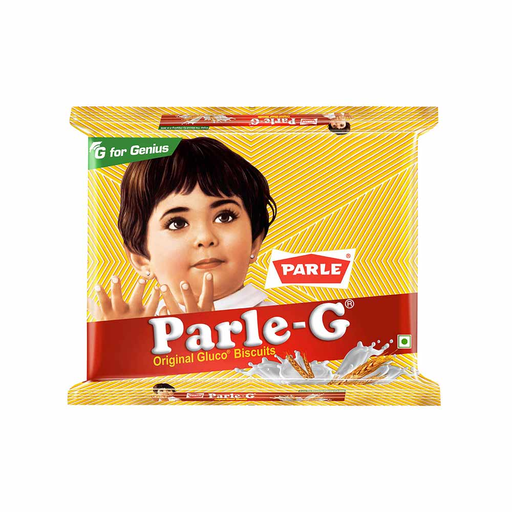 No image available
This 799g pack is a different biscuit choice for shared servings: it is neither shortbread nor a classic digestive. Choose it only if that distinction suits the biscuits you intend to serve.
Follow the instructions on each pack. Waitrose advises an airtight container after opening its Essential Digestive Biscuits, while M&S gives airtight-container advice for its checked shortbread fingers after opening.
A best-before date concerns quality, rather than the food-safety meaning of a use-by date, according to the Food Standards Agency. Check the dates on the packs delivered and plan the quantity around when you expect to use them.
Read the current ingredients and allergen statements on the exact delivered packs, including any ‘may contain’ advice. The checked Walker’s shortbread fingers contain wheat and milk, while Waitrose’s checked plain digestives contain wheat and may contain milk; those statements do not establish the ingredients of other variants.