Easter hosts serving mixed tastes
A shortbread-and-digestive selection offers two distinct biscuit styles. Check the individual packs before putting either out for guests with dietary requirements.


For an Easter table, choose shortbread if guests want a butter-led biscuit, plain digestives if they prefer a crisp wheat biscuit, or a small selection of both for mixed tastes. Neither biscuit type establishes dietary suitability: check each current pack’s ingredients and allergen information, and choose a specifically labelled alternative when a guest needs one.
A shortbread-and-digestive selection offers two distinct biscuit styles. Check the individual packs before putting either out for guests with dietary requirements.
Compare the same nutrients per 100g, then look at the portion you expect to serve. A biscuit’s category name alone does not tell you its saturated fat, salt or fibre content.
Match each guest’s requirement to the exact biscuit label. The cited standard shortbread and digestive examples contain wheat or cereals containing gluten, and their milk and precautionary allergen statements differ.
Settle dietary requirements before choosing flavours or pack sizes. For a nutrition comparison, use the same per-100g basis and then consider how many biscuits you plan to serve.
| Priority | What to check | Your needs |
|---|---|---|
| Allergens | Read the current ingredients and allergen declaration for wheat or gluten, milk and any other relevant ingredients. Check precautionary wording separately; a gluten-free label does not cover every allergen. | If I’m serving someone with a dietary requirement, I need a biscuit labelled for that specific requirement. The Schär gluten-free digestive described by Waitrose, for example, contains soya and may contain lupin. |
| Nutrition and portions | Compare saturated fat, salt, sugars and fibre per 100g on the exact packs, then check the stated serving size. Walker’s Shortbread lists 18.9g saturates per 100g for its 160g fingers; McVitie’s lists 10.1g per 100g for The Original Digestives. These figures describe those products, not every shortbread or digestive. | I’d like to compare the biscuits on the same basis rather than assume a digestive has a particular nutrition profile. The NHS advises using food labels to compare products and checking how the stated portion relates to the amount eaten. |
| Style and pack format | Check whether the pack contains plain digestives, chocolate-topped digestives, shortbread fingers or rounds. Compare the stated pack size with the number of people you expect to serve. | For a shared Easter table, I might choose both a butter-led shortbread and a plain digestive. If guests prefer one style, a single suitable pack may make more sense than an assortment. |
Waitrose’s description of the Schär digestive says that “digestive” is a traditional biscuit name, not a claim that the biscuit aids digestion.
Choose by the exact ingredients, nutrition panel and dietary labelling instead of the category name.
Walker’s 160g fingers list 35% butter, while Dean’s 130g rounds list butter and vegetable margarine. Their ingredient and allergen details therefore need separate checks.
Compare the particular pack and variant you intend to serve, not just the brand or the word “shortbread”.
The Schär gluten-free digestive described by Waitrose contains soya and may contain lupin. A gluten-free or wheat-free label does not answer a different allergen question.
Check the current pack against every requirement relevant to your guests, including precautionary statements.
The pack you serve is the one whose ingredients and allergen declaration matter. A webpage may describe a different pack or an earlier version.
Read the physical package before serving, particularly when a guest has an allergy or intolerance.
Its 160g shortbread fingers are a reference point for an all-butter style.
Its 130g shortbread rounds offer a different shape for a tea table or small biscuit selection.
The Original Digestives provide a plain wheat-biscuit option alongside shortbread.
Its shortbread category lists standard, Finest and Free From biscuit options.
Its biscuit categories include shortbread, digestives and a dedicated free-from range.
These products cover plain, chocolate-topped and gluten-free digestive options for an Easter biscuit selection. Choose separately whether to add shortbread, and check each biscuit’s current label before serving guests with dietary requirements.
 No image available
A 400g digestive option for a shared biscuit selection. If choosing it for a guest with an allergy, check the current pack’s wheat, milk and soya information; its sugar-free name does not establish allergen suitability.
 No image available
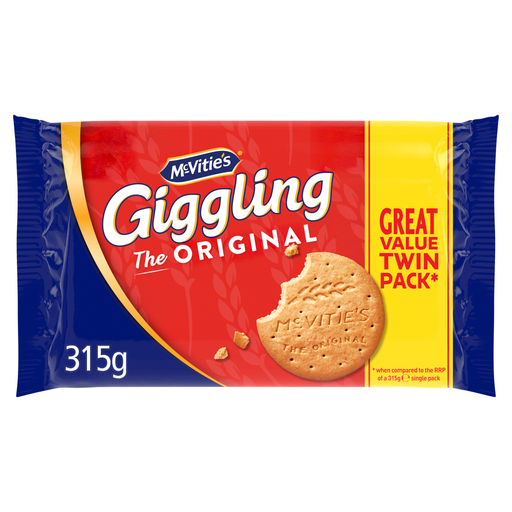
A twin pack of plain digestives for guests who want that biscuit style. Joybuy’s product information lists 15% wholemeal wheat flour and 10.1g saturates per 100g; it also identifies cereals containing gluten. Check the current pack’s full allergen statement before serving.
 No image available
A chocolate-topped digestive variant in a twin pack, rather than the plain style. Check the current ingredients and allergen declaration, particularly if guests need to avoid wheat, milk or soya.
 No image available
A milk-chocolate digestive variant in a 400g pack for a biscuit selection. It is a different choice from a plain digestive; check the current pack for wheat, milk and soya information before serving guests with allergies.
 No image available
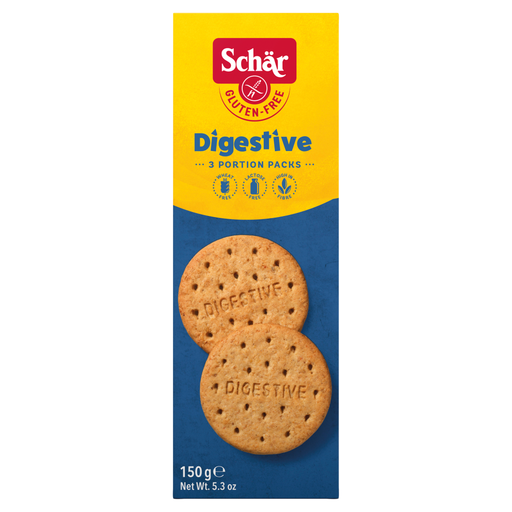
A specifically labelled gluten-free digestive option in a 150g pack. Check the current package against each guest’s requirements: the Schär digestive described by Waitrose contains soya and may contain lupin.
Do not infer a digestive effect from its name. Waitrose’s description of the Schär digestive says “digestive” is a traditional British biscuit name and does not mean the biscuit aids digestion. Use the ingredients and nutrition panel to decide whether a particular product suits your selection.
Do not assume either ordinary biscuit style is suitable. Walker’s 160g shortbread fingers contain wheat and butter made from milk; McVitie’s The Original Digestives contain cereals containing gluten and may contain milk. Choose a product labelled for the guest’s particular requirement, then check that pack’s complete allergen declaration.
Compare the same measures per 100g on the exact products, then consider the portion you will serve. Walker’s lists 18.9g saturated fat per 100g for its 160g shortbread fingers, while McVitie’s lists 10.1g per 100g for The Original Digestives. Those figures distinguish these examples; they do not establish a rule for every biscuit in either category.