Office tea-point organisers
If you refill a shared tin, pack size, stated portions and what happens after opening all affect how practical it is to use.


Choose an assorted shortbread tin if presentation and a buttery biscuit matter most; choose plain digestives if colleagues would prefer a wheatmeal biscuit, or offer both when preferences differ. For a shared tin, check the exact pack’s allergens, count or serving information and storage instructions before putting biscuits out.
If you refill a shared tin, pack size, stated portions and what happens after opening all affect how practical it is to use.
If colleagues have specific dietary requirements, check the received pack for wheat, milk, nut warnings and any free-from claims before adding biscuits to a communal tin.
Shortbread and plain digestives offer different biscuit styles. Keeping them separately labelled lets colleagues identify which option they are choosing.
Decide which biscuit styles to offer, then check the pack format, allergen information and instructions for opened biscuits.
| Priority | What to check | Your needs |
|---|---|---|
| Biscuit style | Compare the exact shortbread recipe with a plain digestive; check whether an assortment or a single biscuit style suits the tin. | I’d like a choice between buttery shortbread and a plain wheatmeal digestive, rather than assuming everyone wants the same biscuit. |
| Sharing format | Check the stated piece or serving count and whether biscuits come in a tin, packet or individual portions. Waitrose & Partners lists 30 servings for its 500 g shortbread tin; Dean’s lists approximately 80 individually wrapped 17 g foodservice packs. | For meetings, I need to judge how many portions to put out. If handling loose biscuits is a concern, individually wrapped portions may be easier to distribute. |
| Allergens | Read the received pack’s ingredients, allergen declarations and precautionary statements. Walker’s shortbread lists wheat and milk and may contain nuts; Tesco’s Free From Digestives are labelled gluten, wheat and milk free but may contain peanuts and nuts. | Before sharing biscuits, I need to know which specific requirements each pack addresses—not treat shortbread or a free-from label as suitable for everyone. |
| After opening | Follow the pack’s storage directions and check whether the tin closes airtight. Waitrose & Partners advises airtight storage after opening for its 500 g tin and recommends consuming it within 7 days for best quality. | A large tin only works for our tea point if we can store the opened biscuits as directed and use them within the pack’s recommended period. |
Recipes differ: the listed Dean’s wrapped foodservice fingers include vegetable margarine, whereas the Walker’s, Waitrose and M&S examples are described as all-butter.
If the recipe matters to your choice, check the description and ingredients of the exact pack.
A communal tin can make it hard to identify a biscuit’s ingredients or precautionary warnings. The listed shortbread examples contain wheat and milk, while some also carry nut warnings.
Keep each product’s original packaging or clear ingredient and allergen information with the biscuits, and check the received pack before offering them.
Tesco’s Free From Digestives are labelled gluten, wheat and milk free, but the listing says they may contain peanuts and nuts.
Match the exact claims and warnings on the pack to the dietary requirement; use separate checks for other allergens.
Waitrose & Partners recommends airtight storage after opening its 500 g tin and consumption within 7 days for best quality.
Choose a quantity you expect to use and follow the selected pack’s own after-opening instructions.
An assorted shortbread tin option for a shared display.
A reference for individually wrapped shortbread portions rather than loose biscuits in a tin.
A larger decorative tin format for a shortbread assortment.
Own-label shortbread in both fingers and a tin for planned sharing.
A reference for a digestive labelled gluten, wheat and milk free.
A plain digestive reference for offices considering a wheatmeal biscuit.
These options include plain and chocolate digestives, a sugar-free-labelled digestive, a single shortbread portion and a gluten-free-labelled digestive. Check each pack against the office’s preferences and dietary requirements.
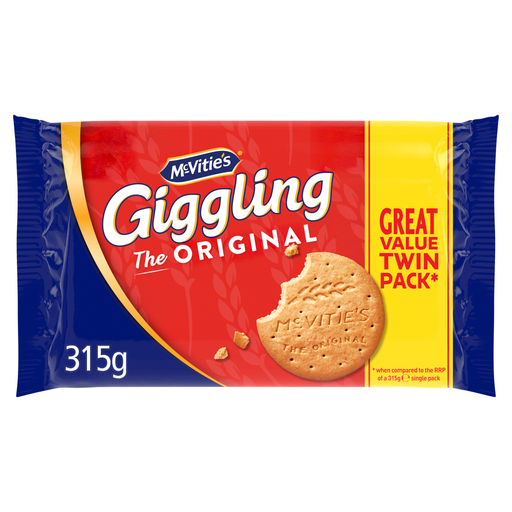 No image available
A plain digestive option for a shared tin. Joybuy’s listing states 42 biscuits across the two 315 g packs; check the received pack’s allergen and storage information before putting them out.
 No image available
A 400 g digestive pack for an office seeking this specific sugar-free-labelled variant, not a general free-from option. Check the pack for wheat, milk and soya information; the product description cautions that excessive consumption may have a laxative effect.
 No image available
A dark-chocolate digestive variant for colleagues who want an alternative to plain biscuits. The twin pack contains 2 x 266 g; check its allergen declarations and keep it identifiable if it is placed alongside other biscuits.
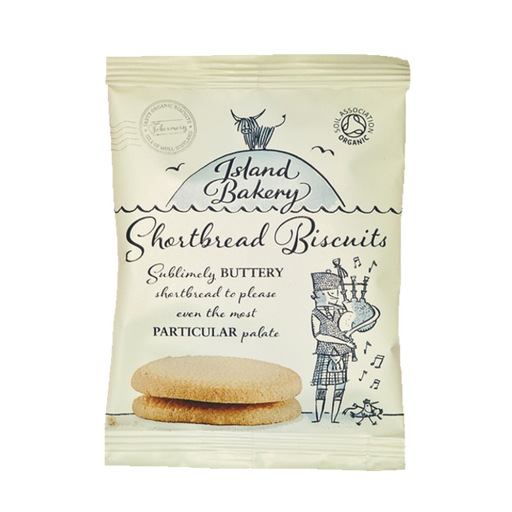 No image available
A single 25 g shortbread item if you want to offer portions separately from the main tin. Check its wrapping and the quantity needed for your office, as well as the received pack’s wheat and milk declarations.
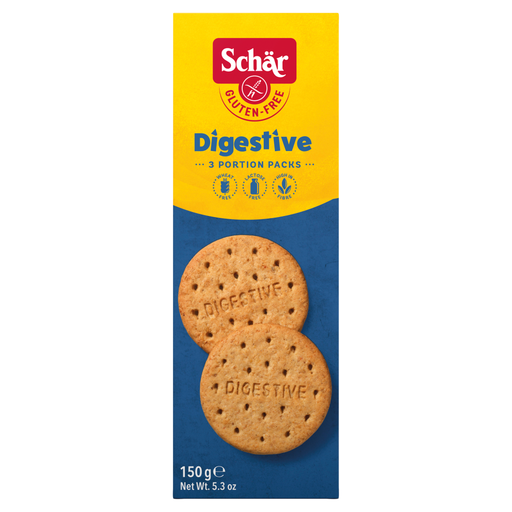 No image available
A 150 g gluten-free-labelled digestive option for a separately identified choice in the office. Check the received pack for every relevant allergen, including its soya and possible-lupin information; do not infer milk-free suitability from the product name.
No. The Walker’s, Waitrose and M&S shortbread examples list wheat flour. Check the exact pack for a gluten-free claim and its full allergen information rather than relying on the biscuit type.
Not automatically. Tesco’s gluten-, wheat- and milk-free digestive listing says the biscuits may contain peanuts and nuts. A gluten-free claim does not answer a separate nut-allergen question.
Follow the selected pack’s instructions. Waitrose & Partners advises keeping its 500 g shortbread tin in a cool, dry place and storing the biscuits in an airtight container after opening; it recommends consuming them within 7 days for best quality.
Use it to narrow your choice, then check the exact pack received before offering the biscuits. Ingredients and allergen information can change, and the pack identifies the product colleagues will actually be given.