Shortbread hosts
If you want a crumbly, butter-based biscuit for sharing, compare the recipe and number of pieces in each pack. Check wheat, milk and precautionary allergen statements against your guests’ requirements.


Choose shortbread if you want a crumbly, butter-based biscuit to share; choose standard digestives if you prefer a crunchy, salty-sweet wheat biscuit. For a guest who needs a gluten-free biscuit, consider a specifically labelled alternative rather than assuming either standard type will suit them. Check the current pack for ingredients, allergens and storage instructions before taking it to a picnic.
If you want a crumbly, butter-based biscuit for sharing, compare the recipe and number of pieces in each pack. Check wheat, milk and precautionary allergen statements against your guests’ requirements.
If a crunchy wheat biscuit appeals more than shortbread, compare plain and chocolate-coated digestives by their ingredients and pack format. Use the per-100g nutrition panel when comparing fibre, saturated fat, sugars or salt.
Look for a biscuit whose current label meets the individual’s requirements, including any allergens beyond gluten. The Schär digestive listed by Waitrose is labelled gluten- and wheat-free, but contains soya and may contain lupin.
Choose the biscuit style first, then check the exact pack for dietary suitability and practical picnic details.
| Priority | What to check | Your needs |
|---|---|---|
| Recipe and texture | Compare butter-based shortbread with wheat-based digestives. Walker’s lists 34% butter in its Shortbread Triangles; McVitie’s describes Original Digestives as crunchy with a salty-sweet wheat flavour. These are examples, not specifications for every biscuit in either category. | I’d put out crumbly shortbread for a butter-based option, or choose digestives when I want a crunchier wheat biscuit. |
| Allergens and dietary labels | Read the ingredients and precautionary statements on the current pack. Check gluten-free or wheat-free labelling where needed; the Schär digestive listed by Waitrose contains soya and may contain lupin. | Someone in the group needs a biscuit that meets their dietary requirements, so I need to check the particular product before serving it. |
| Nutrition panel | Compare values per 100g on the same basis, then consider the stated serving size. The NHS says more than 5g saturated fat per 100g is high; its food-label guidance also notes that manufacturer portion sizes can differ. | If saturated fat, sugars, salt or fibre matter to my choice, I can compare the figures on the packs rather than judging by names such as “all butter” or “digestive”. |
| Sharing and storage | Check the number of biscuits or individual packs, alongside storage directions. Walker’s describes 15 triangles in its 150g box; the cited M&S shortbread selection says to store it away from sunlight. | I want enough clearly identified biscuits to offer the group and packaging I can manage during the journey and picnic. |
The name describes a biscuit style, not an effect to expect from eating it. The Schär product information listed by Waitrose explicitly says its digestive biscuit does not aid digestion.
Choose by recipe and taste; use the exact pack’s nutrition panel if a particular nutrient matters to you.
Plain fingers, triangles and chocolate-containing selections can have different ingredients and allergen statements. For example, Sainsbury’s chocolate-chip shortbread lists wheat, milk and soya.
Pick the format you want, then check the ingredients and warnings for that specific pack.
A previously viewed product page cannot establish what is printed on the pack being served, particularly where an ingredient or precautionary warning matters.
Read the current pack before purchase and again before offering the biscuits to a guest with an allergy.
The same weight does not tell you how many separate biscuits or portions a pack contains. Assortments and individually packed biscuits may also be easier to divide in different ways.
Check the piece count, pack arrangement and biscuit type against the number of people you plan to serve.
These examples show how recipes and formats differ; check the current product label for the pack you choose.
Walker’s Shortbread Triangles Box is a 150g sharing format with 15 triangles.
Dean’s All Butter Shortbread Fingers offer a finger-shaped alternative in the cited 150g pack.
The cited 450g Scottish shortbread selection combines rounds, fingers and chocolate chunk shortbread.
Its cited digestive range includes standard varieties and a Schär gluten-free digestive.
The cited shortbread range includes own-label assortments, shorties and Paterson’s products.
The cited own-label chocolate-chip shortbread is a 175g chocolate-containing option.
These options include plain and chocolate digestives, a gluten-free digestive and a small shortbread pack for the picnic decision.
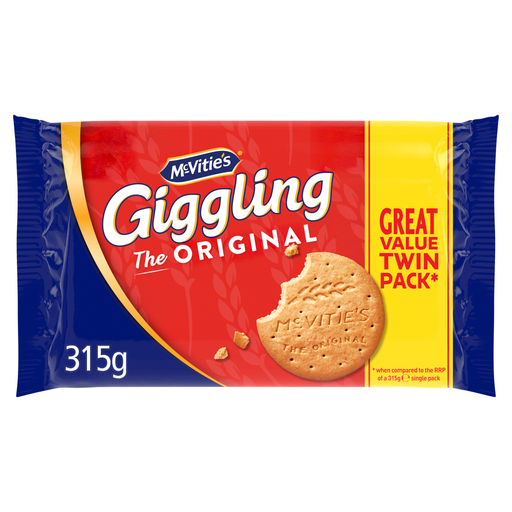 No image available
A plain digestive option if you prefer a wheat biscuit to shortbread. The listing names two 315g packs; check the current pack’s ingredients and allergen statement before sharing.
 No image available
A dark-chocolate digestive variant for guests who want chocolate rather than a plain biscuit. The listing names two 266g packs; check the pack’s allergens and storage directions before taking it into the sun.
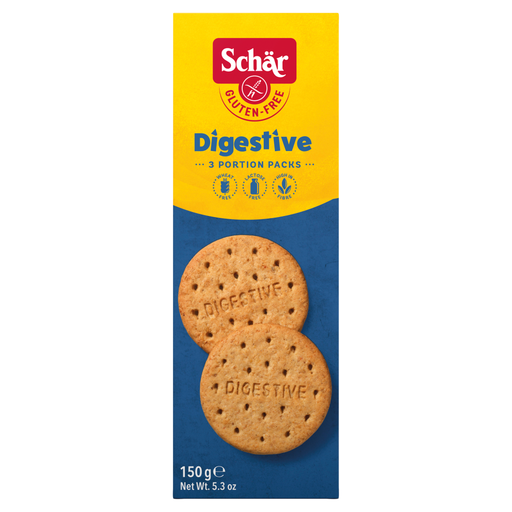 No image available
A digestive-style option to check when a gluten-free biscuit is needed, rather than a substitute for butter shortbread. The cited Schär product contains soya and may contain lupin; confirm the current pack meets the guest’s requirements.
 No image available
A milk-chocolate digestive variant for a picnic group that prefers chocolate-coated biscuits. Check its current allergen statement and storage instructions, particularly if the pack will travel in warm conditions.
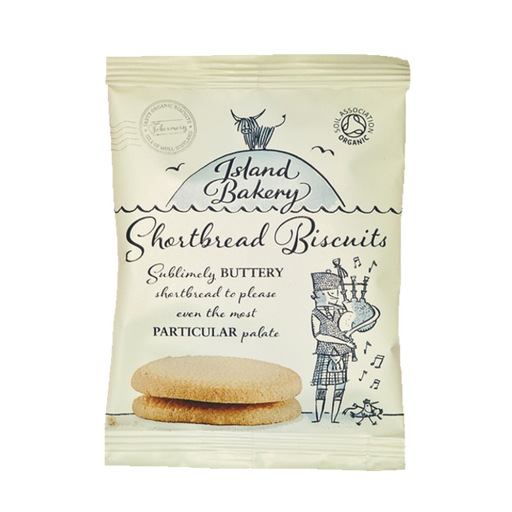 No image available
A 25g shortbread pack to consider if you want shortbread rather than digestives. Check its ingredients, allergen statement and pack format before deciding how many to bring for sharing.
No. The cited Walker’s and Dean’s shortbreads are butter-based, while McVitie’s describes its Original Digestives as crunchy biscuits with a salty-sweet wheat flavour. Check the particular pack if recipe or texture will decide your choice.
Do not treat the name as a health claim. The Schär digestive information listed by Waitrose explicitly says that “digestive” is a traditional British biscuit name and that the product does not aid digestion.
Take shortbread for a crumbly, butter-based biscuit or digestives for a crunchier wheat biscuit, provided the exact product suits your guests. Check the pack’s serving format and storage directions; the cited M&S shortbread selection advises storage away from sunlight.
Check the ingredients and precautionary statements on the exact current pack against that guest’s requirements. Different shortbread and digestive products list different allergens; for example, the Schär digestive cited by Waitrose contains soya and may contain lupin despite its gluten-free labelling.
Start with the per-100g figures for the nutrients you want to compare, then check each pack’s stated serving size. NHS food-label guidance notes that manufacturers’ portion sizes can differ, making per-100g values the consistent basis for comparing packs.