Hosts planning a sugar-conscious tea
A per-biscuit figure can help you decide how much to serve. Check it alongside the per-100g panel, which lets you compare different recipes on the same basis.


For an older person’s afternoon tea, choose shortbread by the portion you intend to serve: compare sugars, total carbohydrate and saturated fat per 100g, then check the figures for the actual biscuit. A no-added-sugar label is different from a reduced-sugars claim and does not, by itself, establish a lower-carbohydrate or lower-energy serving. If a guest has diabetes or a food allergy, use their individual advice and the current pack label rather than an age-based rule.
A per-biscuit figure can help you decide how much to serve. Check it alongside the per-100g panel, which lets you compare different recipes on the same basis.
Total carbohydrate and the intended portion matter as well as sugars. University Hospitals Sussex NHS Foundation Trust advises using carbohydrate information to help plan snacks; a no-added-sugar label cannot replace individual dietary advice.
Read the ingredients, highlighted allergens and any precautionary wording on the exact pack before serving. A sugar-related claim does not answer a wheat, milk or nut-allergy question.
Start with the amount you expect to serve, then compare like-for-like nutrition figures and check any dietary restrictions separately.
| Priority | What to check | Your needs |
|---|---|---|
| Sugars and portion | Compare sugars per 100g across packs, then read or calculate the amount in the biscuit you will serve. Check whether the pack says no added sugar or makes a reduced-sugars claim; the phrases mean different things. | I want to offer shortbread without judging the serving by the front of the pack alone. Sainsbury’s lists 3.0g sugars per biscuit for its Highland All Butter Shortbread Fingers; that figure belongs to that biscuit, not to shortbread generally. |
| Total carbohydrate | Read total carbohydrate for the intended serving as well as sugars. If a biscuit uses a sweetener, check its ingredients and the serving size rather than assuming its carbohydrate or energy is lower. | For a guest managing diabetes, I would use the pack figures alongside their individual advice. University Hospitals Sussex NHS Foundation Trust identifies carbohydrate amount and portion size as useful snack-planning information. |
| Allergens | Check the exact pack’s ingredients, highlighted allergens and precautionary statements. Assess sugar separately from gluten-free or other free-from wording. | I need to check what this guest can eat before putting biscuits on the tea table. M&S lists its Made Without Wheat All Butter Shortbread Rounds as gluten-free, but also lists sugar and states that they are unsuitable for people with nut or peanut allergy. |
| Enjoyment and serving size | Check the stated serving and the size of the biscuit you intend to offer. Consider the guest’s preferences and appetite rather than applying one sugar rule to everyone of a particular age. | I want tea to be enjoyable as well as manageable to serve. Royal United Hospitals Bath NHS Foundation Trust’s guidance on ageing discusses enjoyment of food and maintaining weight; someone eating poorly or losing weight may need individual advice. |
The phrase does not establish the total carbohydrate or energy in a biscuit. The Boots No Added Sugar Shortbread Fingers listing identifies maltitol, while University Hospitals Sussex NHS Foundation Trust notes that large amounts of polyols can cause digestive discomfort.
Compare current packs using the intended serving size, including total carbohydrate and sugars. Check sweetener ingredients if tolerance matters to the guest.
Those figures describe different amounts of food, so they cannot show which serving contributes less sugar. Sainsbury’s publishes a per-biscuit figure for its Highland fingers, while Walker’s and Dean’s publish per-100g figures for the finger products described here.
Compare products per 100g first, then use each pack’s serving information to assess the number of biscuits you plan to put out.
These descriptions address different product characteristics. M&S lists 20.3g sugars per 100g for its Made Without Wheat All Butter Shortbread Rounds, despite their gluten-free label.
Use allergen wording for the relevant restriction and the nutrition panel for sugars; check both on the specific pack.
These product examples show why the biscuit format and its own label matter more than a brand name alone.
Walker’s Shortbread Fingers are a conventional all-butter option; the product listing describes a pack of eight fingers.
Dean’s lists conventional all-butter shortbread in finger and round formats.
Its Highland All Butter Shortbread Fingers have a per-biscuit nutrition panel that helps with portion planning.
Made Without Wheat All Butter Shortbread Rounds provide a gluten-free option to assess separately from sugar-related claims.
Waitrose lists shortbread fingers among its conventional biscuit options.
Tesco’s shortbread category includes assortments, fingers and a free-from chocolate-chunk product.
Boots No Added Sugar Shortbread Fingers illustrate a sweetener-based alternative to conventional shortbread.
These options include one shortbread and two different biscuit alternatives. If shortbread itself is important to the tea you are planning, do not treat the cookies-and-cream or oat biscuits as equivalent replacements; compare each pack for your guest’s needs.
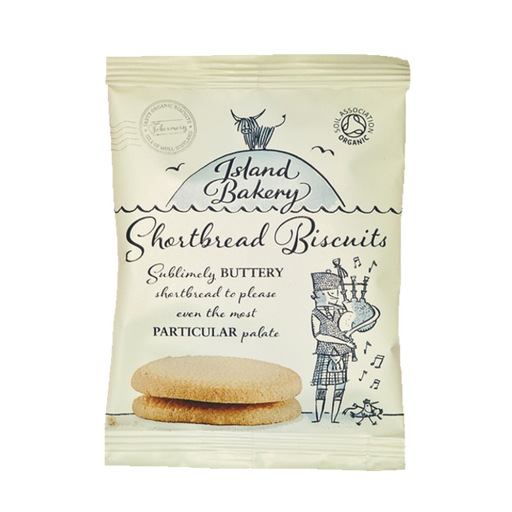 No image available
A shortbread option for the tea table. Use the pack’s sugars and total-carbohydrate figures to assess the amount you will serve, and check its allergen information for guests with restrictions.
 No image available
A no-added-sugar biscuit alternative, not shortbread. Compare total carbohydrate for the intended serving and check the pack’s sweetener and allergen information before offering it to a guest.
 No image available
A gluten-free oat biscuit alternative rather than shortbread. Check the current pack’s sugars, serving size and oat-related precautions against the needs of the person you are serving.
No such conclusion follows from the phrase alone. Check total carbohydrate for the intended serving and follow the person’s individual advice; University Hospitals Sussex NHS Foundation Trust uses carbohydrate amounts and portion sizes when discussing snacks for people with diabetes.
Not automatically. Royal United Hospitals Bath NHS Foundation Trust’s guidance on ageing emphasises enjoyment of food and maintaining weight. An older person who is losing weight or eating poorly may need individual nutritional advice rather than a blanket restriction.
Read the sweetener ingredients and the nutrition figures for the portion you plan to serve. University Hospitals Sussex NHS Foundation Trust says consuming large amounts of polyols can cause bloating, flatulence and diarrhoea; the Boots No Added Sugar Shortbread Fingers listing names maltitol.
Check the current ingredients list and precautionary wording on the exact pack before serving. GOV.UK explains that allergens in prepacked food must be clearly identified in the ingredients list, while product-specific precautions can differ: M&S, for example, warns that its Made Without Wheat All Butter Shortbread Rounds are unsuitable for people with nut or peanut allergy.